





Unmasking Ulcer Causes
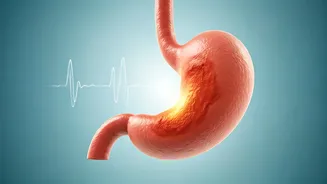
Contrary to popular belief, stomach ulcers are not primarily caused by stress or spicy foods, although these can exacerbate symptoms. The overwhelming
majority of ulcers are linked to an infection by the bacterium Helicobacter pylori (H. pylori). This tenacious microbe can erode the protective lining of the stomach and the initial part of the small intestine, leading to painful sores or ulcers. Another significant, though less common, cause is the long-term use of nonsteroidal anti-inflammatory drugs (NSAIDs), such as ibuprofen and aspirin. These medications, while effective for pain relief and reducing inflammation, can also irritate the stomach lining and impair its ability to repair itself, making it vulnerable to ulcer formation. Understanding these primary drivers is crucial for effective prevention and treatment strategies. It’s essential to consult a healthcare professional for proper diagnosis and management, rather than relying on anecdotal remedies or self-treatment which could delay effective care and potentially worsen the condition.
The Diagnostic Breath Test
Diagnosing H. pylori infection, the main culprit behind most ulcers, used to involve more invasive procedures. However, a revolutionary and highly effective method now available is the urea breath test. This non-invasive test works by detecting the presence of an enzyme produced by the H. pylori bacteria. Patients are given a special urea-containing drink. If the bacteria are present in the stomach, they break down the urea, releasing carbon dioxide. This labeled carbon dioxide is then absorbed into the bloodstream and expelled through the lungs. A simple breath sample is collected and analyzed to measure the amount of this specific carbon dioxide. A higher-than-normal level indicates an active H. pylori infection, signaling the need for further investigation and treatment. This test offers a convenient, quick, and accurate way for doctors to identify the root cause of ulcer symptoms, paving the way for targeted therapy and relief for patients.