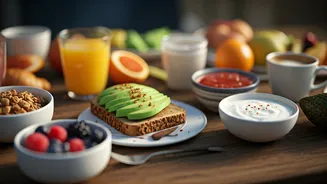






Morning Elixirs Explained
Many celebrities begin their day with a ritual of warm water infused with seeds like fenuguk, fennel, or coriander. This practice, often termed 'water
therapy,' is followed by nutrient-dense juices. These juices are typically blends of fruits and vegetables such as apples, oranges, celery, bottle gourd, cucumber, ginger, mint, and amla, or a red variant including beetroot and carrot. The intention behind these morning routines is to hydrate the body, provide essential vitamins and minerals, and kickstart metabolism. While these concoctions can contribute to glowing skin and improved gut health, their actual impact on significant weight loss is often overstated, though they can aid in digestion and managing cravings by promoting a feeling of fullness and offering vital nutrients without excessive calories. The preparation, however, can be time-consuming and may not be practical for everyone's daily schedule, especially those with demanding professional lives.
Ghee's Golden Role
The daily spoonful of ghee, a staple in many Indian households, has gained renewed attention in wellness circles. Ghee, clarified butter, is essentially fat and pure energy, offering a rich source of fat-soluble vitamins A, D, E, and K. When used in moderation, it can be a beneficial addition to the diet, particularly for those seeking healthy fats. Its high smoke point makes it an excellent cooking medium. In traditional Indian cuisine, ghee is revered not only for its flavor but also for its perceived digestive properties and its role in enhancing the absorption of fat-soluble nutrients from other foods. While some extreme diets advocate for its consumption as a primary energy source, it's important to remember that ghee is calorie-dense, and portion control remains key. Its inclusion in a balanced diet, rather than as a sole dietary component, is where its true nutritional benefits lie.
Quinoa's Power Grain
Quinoa, often hailed as a superfood, is a complete protein, meaning it contains all nine essential amino acids. This makes it a valuable dietary staple, particularly for vegetarians and vegans. Unlike refined grains, quinoa is a whole grain, rich in fiber, which aids digestion, promotes satiety, and helps regulate blood sugar levels. It also provides essential minerals like magnesium, iron, and zinc. The shift from white rice to brown rice, and by extension to quinoa, is often recommended for its higher nutritional profile. However, the preparation and consumption of quinoa, like any food, require mindful portioning. While it offers substantial health benefits, an excessive intake without considering overall caloric needs can still contribute to weight gain. Its versatility allows it to be incorporated into various dishes, from salads and porridges to side dishes, making it an adaptable and nutritious choice.
The Reality of Restriction
The trend of extreme dietary restriction, such as an 18-hour fasting window followed by minimal food intake, often promoted by celebrities, raises questions about sustainability and health. While intermittent fasting can offer certain health advantages for some individuals, severe restriction can lead to nutrient deficiencies and an unhealthy relationship with food. The emphasis on processed 'healthy' alternatives like almond milk (which is essentially blended almonds and water) or cakes made without traditional ingredients, often sacrifices flavor and satisfaction. Nutritionists emphasize that a balanced diet rich in natural proteins, fruits, vegetables, and whole grains, coupled with regular exercise, is a more sustainable and effective approach to health and weight management. The convenience and cost-effectiveness of home-cooked meals with natural ingredients often outweigh the perceived benefits of highly restrictive and expensive fad diets, especially for the average person not under the constant scrutiny of the entertainment industry.