






Soaking: The Digestion Key
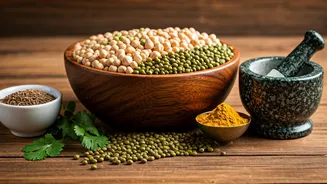
Unlock the secret to comfortable legume consumption by prioritizing soaking. This crucial step, often overlooked, scientifically breaks down complex compounds
like phytic acid that hinder digestion. By soaking for several hours, or even overnight for heavier varieties like rajma and chana, you effectively reduce the sugars responsible for gut fermentation and subsequent gas. Always remember to discard the soaking water, as it harbors the very elements that can cause discomfort. Lighter dals like moong and masoor require shorter soaking periods, typically just a few hours, making them ideal for quick preparation.
Spice Up Digestion
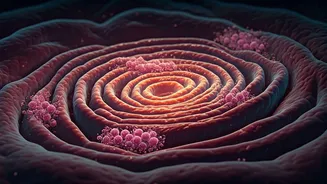
Elevate your dal preparation by incorporating nature's digestive aids. Spices such as hing (asafoetida), fresh ginger, pungent cumin, and aromatic ajwain are not merely flavour enhancers but powerful allies for your gut. These ingredients stimulate digestive enzymes, assisting your body in efficiently breaking down tough fibers before they reach the large intestine, the primary site of gas production. Adding a pinch of hing and ajwain to moong dal, or incorporating ginger and garlic into rajma preparations, significantly eases the digestive burden, making your meals far more palatable and comfortable for your stomach.
Gentle Introduction Matters
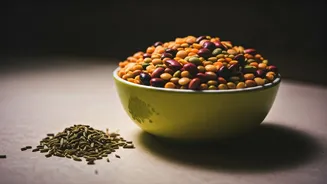
For those prone to digestive upset, introducing legumes gradually is paramount. Instead of diving straight into heavy, high-fiber options like rajma or chole, begin with lighter dals such as yellow moong or masoor. These are inherently easier for the stomach to process and can be incorporated into your diet more frequently. As your digestive system adapts and your gut microbiome becomes more robust, you can then progressively introduce heartier legumes like chana dal or black chana. This phased approach allows your gut flora to cultivate the necessary bacteria for efficient digestion, preventing discomfort and enabling you to enjoy a wider variety of nutritious foods without worry.