


Manipur's Lifeline
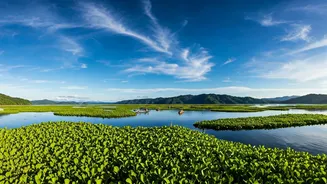
Situated in the heart of Manipur, Loktak Lake stands as Northeast India's most extensive freshwater body, profoundly shaping the region's landscape and the lives
of its inhabitants. It functions as a vital resource, providing essential water for fishing and agricultural irrigation, while its expansive, shimmering surface is a constant source of awe for all who behold it. The lake's unique character is further enhanced by numerous verdant patches that dot its waters, contributing to its picturesque beauty and supporting the local communities that depend on its bounty. This magnificent wetland is intrinsically linked to the state's well-being, earning its reputation as the 'Jewel of Manipur' for its scenic charm and ecological significance.
The Enchantment of Phumdis
The most distinctive feature of Loktak Lake is its extraordinary floating islands, known as 'phumdis.' These are not mere vegetation but substantial, buoyant masses composed of interwoven plant material, soil, and decaying organic matter. They float on the lake's surface, much like icebergs, with a significant portion of their bulk submerged, unseen. Some of these phumdis are so large and stable that they have become foundations for entire dwellings and small agricultural plots cultivated by the local populace. This unique phenomenon transforms the lake into a dynamic, ever-shifting landscape where nature's ingenuity is on full display.
Life Afloat
The inhabitants of Loktak Lake have adapted to its peculiar environment by developing a lifestyle centered around these floating islands. Fishermen construct their homes, known as 'phumsangs,' directly on the smaller phumdis, creating self-sufficient floating communities. These settlements thrive in a symbiotic relationship with the lake, practicing traditional fishing methods that ensure sustainability and maintain a deep connection with the natural rhythms of the water. Their presence adds a captivating human element to the already extraordinary floating scenery, illustrating a harmonious coexistence between people and nature.
World's Only Floating Park
Gracing the southeastern expanse of Loktak Lake is the Keibul Lamjao National Park, a truly unique conservation area covering approximately 40 square kilometers. Its paramount distinction lies in being the world's only national park situated entirely on floating landmasses. The park's existence is intrinsically tied to a colossal phumdi, which, along with the rest of the park, rises and falls in sync with the lake's fluctuating water levels. Established with the specific aim of safeguarding its delicate ecological balance, Keibul Lamjao represents an unparalleled achievement in wetland conservation, a testament to nature's extraordinary adaptations.
A Living Wetland
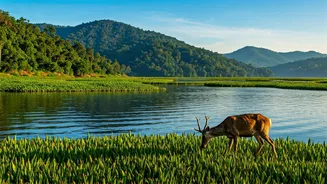
Within Keibul Lamjao National Park, the phumdis transform into expansive floating meadows, cultivating an ecological niche found nowhere else on Earth. These dynamic habitats provide crucial grazing grounds, secure shelter, and vital breeding areas for a variety of wildlife, most notably the Sangai. The constant interplay of the lake's water levels dictates the park's surface, creating an ethereal and perpetually evolving environment that adds to its mystique. This fluidity ensures that the ecosystem remains vibrant and responsive to seasonal changes.
The Dancing Deer
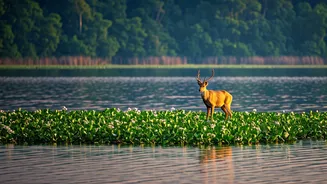
This remarkable park serves as the ultimate natural sanctuary for the critically endangered Manipur brow-antlered deer, affectionately known as the 'Sangai.' These captivating creatures are famed for their graceful movement, earning them the moniker 'dancing deer.' Their delicate hooves are perfectly adapted to navigate the spongy, uneven surface of the phumdis with remarkable agility. Once believed to be extinct, the Sangai's resurgence is a powerful symbol of successful conservation efforts, and it proudly represents Manipur as its state animal.
Biodiversity's Haven
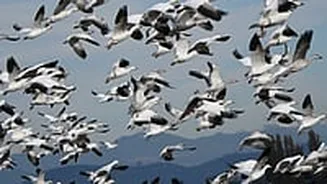
Beyond the iconic Sangai, Loktak Lake and its surrounding national park teem with a rich tapestry of life. The ecosystem supports other deer species like the hog deer, playful otters, and a multitude of waterfowl, including numerous migratory birds that grace the wetlands during the winter months. The phumdis themselves are a vibrant habitat for a diverse array of aquatic flora and fauna, underscoring Loktak's status as a vital Ramsar wetland site of international ecological importance. This thriving biodiversity not only sustains nature but also underpins the livelihoods of the local communities.
Protecting a Treasure
Recognized as a tentative UNESCO World Heritage site, Loktak Lake and the Keibul Lamjao National Park face significant environmental pressures. Challenges such as fluctuating water levels, pollution, and habitat degradation threaten this ecological gem. The preservation of this unique landscape is paramount for the survival of the Sangai and the integrity of its specialized ecosystem. Visitors who experience the magic of Loktak depart with indelible memories of one of the planet's most extraordinary natural creations, highlighting the urgent need for continued conservation efforts.