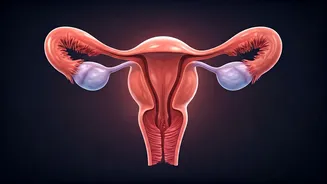








What Was PCOS?
Polycystic Ovary Syndrome (PCOS) was long recognized as a prevalent hormonal disorder impacting women during their reproductive years. Globally, approximately
one in eight women were estimated to be affected, though a significant number remained undiagnosed. The condition manifested in diverse ways, including irregular menstrual cycles, fertility challenges, increased hair growth on the face and body, persistent acne, and unexpected weight gain. However, its influence extended far beyond these outward signs. PCOS was also closely associated with insulin resistance, which elevated the risk of developing type 2 diabetes and potentially increased the likelihood of future cardiovascular issues. A key point of contention was the name itself, as not all women diagnosed with PCOS actually exhibited ovarian cysts, a fact that fueled the push for reclassification.
The Drive For Change
For many years, medical professionals and researchers advocated for a name change, deeming "Polycystic Ovary Syndrome" to be scientifically inaccurate and misleading. The primary issue stemmed from the term "polycystic." The structures often referred to as "cysts" are, in fact, small, immature follicles within the ovaries. Crucially, many individuals diagnosed with the condition did not present with these follicles at all, yet still met the diagnostic criteria. Furthermore, the old name inaccurately portrayed PCOS as solely an ovarian or reproductive issue. In reality, it is a systemic condition affecting multiple bodily systems, including hormonal balance, metabolism, cardiovascular health, skin, and mental well-being. This narrow focus often understated the full scope and seriousness of the disorder. This outdated terminology also contributed to diagnostic delays, with some women being denied a PCOS diagnosis simply because an ultrasound didn't reveal ovarian cysts, despite clear hormonal or metabolic symptoms, leading to years of delayed treatment.
Decoding The New Name: PMOS
The newly adopted term, Polyendocrine Metabolic Ovarian Syndrome (PMOS), was carefully chosen to better encapsulate the complex nature of the disorder. The inclusion of "polyendocrine" highlights the involvement of multiple hormone systems throughout the body, extending beyond the ovaries. Hormonal imbalances in this condition can influence everything from menstrual regularity to mood stability and skin health. The addition of "metabolic" acknowledges a critical, often overlooked, aspect: its profound impact on metabolic processes. Many women with PMOS struggle with insulin resistance, difficulties in weight management, heightened inflammation, and an increased risk of long-term conditions like diabetes and heart disease. The word "ovarian" is retained because the condition undeniably affects ovulation and fertility. Finally, "syndrome" remains, signifying a collection of symptoms rather than a singular disease. Collectively, PMOS offers a more precise representation of the condition as a comprehensive endocrine and metabolic disorder affecting the entire body.
Impact on Diagnosis & Treatment
For individuals currently diagnosed with PCOS, the immediate practical implications regarding diagnosis and treatment remain unchanged. Clinicians will continue to utilize the existing diagnostic criteria, which involve irregular ovulation or menstrual cycles, evidence of excess androgen hormones (such as acne or unwanted hair), and, in some instances, the observation of multiple ovarian follicles on an ultrasound. The significant shift lies not in the diagnostic process itself, but in the evolving understanding and approach to management. Medical experts anticipate that the new name will prompt healthcare providers to adopt a more holistic approach, moving beyond solely addressing reproductive symptoms. This expanded view aims to incorporate the management of metabolic health, mental well-being, and proactive strategies for long-term disease prevention. This evolution in understanding is expected to lead to more comprehensive and personalized care plans for those affected.
Recognition and Awareness
The renaming of PCOS to PMOS offers vital validation for many women who have experienced confusion and frustration with the previous terminology. Under the old name, some individuals were led to believe they couldn't have the condition if they didn't have ovarian cysts, or they mistakenly thought it was solely a fertility concern, unaware of its broader implications for heart health, blood sugar regulation, or emotional well-being. The new name effectively corrects these misconceptions. It validates the experiences and concerns that patients and advocacy groups have voiced for years – that this condition affects much more than just periods or pregnancy; it has a profound impact on daily life, long-term health outcomes, and overall quality of life. For countless women, this official recognition represents a significant and much-needed step forward in acknowledging the full spectrum of their health challenges.
Transitioning to PMOS
The widespread adoption of the new name, PMOS, will not be instantaneous. Changes in medical terminology typically take time to permeate through various institutions, including hospitals, clinics, educational materials, insurance systems, and public health campaigns. The transition is anticipated to occur over the next three years, supported by a comprehensive global education and awareness initiative. This campaign is designed to inform healthcare professionals, researchers, policymakers, and patients alike about the new nomenclature. The official integration of the term PMOS into guidelines is slated for the 2028 International Guideline update, marking a significant milestone in the evolution of women's health understanding and communication.