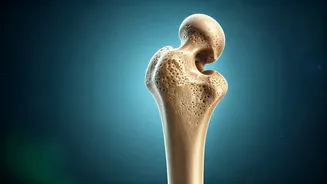








Understanding Osteoporosis's Silent Rise
Osteoporosis, a condition characterized by brittle and fragile bones, often goes unnoticed until a fracture occurs. This insidious disease progresses silently,
with common breaks happening in the hip, spine, or wrist due to minor falls or even everyday movements. In India, lifestyle shifts and nutritional deficiencies are contributing to a growing prevalence of low bone density, even in adults who haven't yet developed symptoms. The consequences of these fractures can be severe, significantly impacting mobility and an individual's ability to live independently, particularly in older age. Recognizing the early stages and understanding the underlying causes is paramount for effective prevention and management strategies.
The Pivotal 'Before 40' Window
Your skeletal system is a dynamic entity, actively building and strengthening itself, especially during youth and early adulthood. The period leading up to your late 20s and early 30s is when you achieve your peak bone mass – essentially, the maximum density and strength your bones will ever have. After this point, the body's focus shifts primarily to maintenance rather than significant growth. Therefore, the years before you turn 40 represent a critical, finite opportunity. Think of it as building a substantial savings account for your bones; the more you deposit during this prime time, the greater the reserve your body can draw upon as natural aging processes begin to diminish bone density. Neglecting this phase means entering later life with a smaller bone reserve, making you more susceptible to weakness and breaks.
Modern Habits' Hidden Impact
Many seemingly innocuous daily habits can subtly undermine bone integrity without immediate noticeable effects. Prolonged periods of sedentary behavior, for instance, deprive bones of the mechanical stress they need to remain robust. Similarly, dietary patterns that are deficient in essential nutrients like calcium and protein hinder the bone's ability to repair and regenerate itself effectively. Furthermore, insufficient exposure to sunlight directly impacts the body's production of vitamin D, a vital nutrient for calcium absorption. This combination of poor nutrition, inactivity, inadequate sunlight, and even factors like smoking during these crucial pre-40 years can silently erode bone strength, paving the way for future skeletal issues like osteoporosis.
Simple Habits, Profound Results
Building resilient bones doesn't necessitate drastic lifestyle overhauls; consistency in small, impactful habits is key. Engaging in weight-bearing exercises—activities that make you work against gravity, such as walking, jogging, or strength training—stimulates bone cells to adapt and become denser. Complementing this with a diet rich in calcium, found in dairy products, ragi, and green leafy vegetables, provides the fundamental building blocks. Don't underestimate the role of protein, essential for bone structure and repair. Additionally, embracing moderate morning sunlight exposure, around 15-20 minutes daily, is a simple yet powerful way to ensure adequate vitamin D levels, facilitating optimal calcium uptake. These consistent practices are the cornerstones of strong bones.
The Invisible Power of Prevention
The effectiveness of preventive healthcare often lies in its subtlety, as its benefits aren't immediately visible. Unlike acute illnesses, bone health improvements manifest gradually over time, making it easy to overlook. However, the long-term rewards are substantial: stronger bones translate to a reduced risk of debilitating fractures, better posture, and sustained independence as one ages. It's also crucial to acknowledge the gender-specific aspect; women, particularly post-menopause, experience accelerated bone loss due to hormonal shifts, making early intervention even more critical for them. By consciously investing in bone health before 40, you are proactively safeguarding your future mobility and quality of life.
Navigating Life After 40
As individuals transition beyond the age of 40, a natural, albeit variable, decline in bone density typically begins. While the rate of loss can differ, the general trend is consistent. This underscores the profound importance of the preparatory work done in the preceding decades. By establishing strong bone mass and healthy habits prior to this age, individuals can significantly mitigate the impact of this natural aging process. Implementing regular bone density screenings, especially for those with identified risk factors, can help monitor skeletal health. However, the true power of these medical checks is amplified when they are supported by the enduring foundation of healthy lifestyle choices cultivated years earlier, ensuring better mobility and a higher quality of life throughout the aging process.