





The Portion Predicament
Smoothies often bypass the body's natural satiety cues because they are consumed quickly and lack the fiber of whole fruits. This can lead to overconsumption,
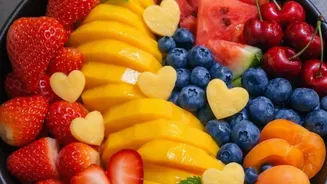
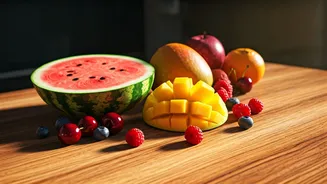
as blending multiple fruits like two bananas and a mango into a single serving means ingesting a large quantity of natural sugars and calories without the same prolonged feeling of fullness one would get from eating them separately. Unlike eating whole fruit, which naturally limits intake due to chewing time and fiber, a smoothie can quickly transform a healthy snack into a meal-sized calorie bomb without you even realizing it. Paying close attention to the quantities of ingredients is crucial to prevent unintentional calorie overload. The ease of blending also means you can consume far more fruit and its inherent sugars in minutes than you would typically eat in one sitting, making portion control paramount.
Liquid Calories Deception
The nature of liquid calories in smoothies contributes significantly to their potential for calorie creep. Unlike solid foods that trigger robust fullness signals in the brain, liquid sustenance often fails to satisfy hunger in the same way. Consequently, even after consuming a calorie-dense smoothie, individuals might find themselves feeling hungry again relatively soon after. This can lead to a cycle of snacking before the next meal, thereby increasing overall daily calorie intake. This discrepancy between perceived fullness and actual caloric consumption makes it easy to underestimate the impact of a smoothie on your energy balance, potentially undermining weight management efforts and leading to an unintended accumulation of calories throughout the day.
Boosters: High-Calorie Additions
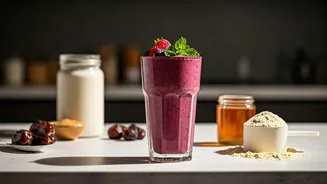
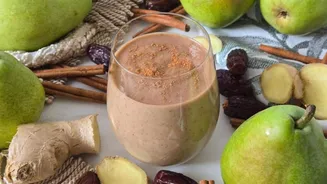
Many ingredients added to smoothies with the intention of boosting nutritional value are, in fact, significant calorie contributors. Items such as nut butters, seeds, creamy coconut milk, protein powders, and various sweeteners, while beneficial in moderation, can dramatically increase a smoothie's caloric content. For instance, a single tablespoon of peanut butter can contain around 90-100 calories. When two or three such high-calorie 'health boosters' are combined, the resulting beverage can far exceed the calorie count of consuming those ingredients individually as part of a solid meal. It's essential to be aware of these additions and their caloric impact to avoid inadvertently creating an overly energy-dense drink under the guise of health.
The Sweetness Overload
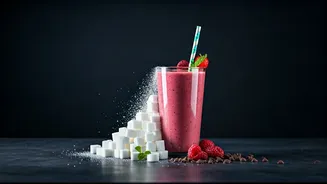
Store-bought smoothies, in particular, often harbor hidden sugars and calories that can transform them into dessert-like concoctions. Advertised as natural, many pre-made blends are loaded with added sweeteners like agave nectar, various syrups, and fruit-flavored additions. Complementary ingredients like yogurt or artificial flavorings further contribute to the calorie and sugar load. Without carefully scrutinizing the nutrition labels, consumers may mistakenly believe they are consuming a healthy option, when in reality, the sugar and calorie content is equivalent to that of a decadent dessert. This deceptive labeling can lead to significant calorie intake without the expected health benefits.
Crafting Healthful Smoothies
Creating truly beneficial smoothies requires mindful ingredient selection and portion control. To construct a balanced blend, aim for one serving of fruit, a source of protein like low-fat yogurt or protein powder, and a high-fiber ingredient such as chia seeds. Use a low-calorie liquid base such as water or skim milk. Combining these simple components into a single serving container helps manage overall intake. By focusing on these fundamental elements and avoiding excessive additions, you can ensure your smoothie serves as a nutritious tool to meet your dietary goals rather than a hidden source of excess calories and sugar. The key is to prioritize simplicity and balance.