







The Solo Awakening
Gone are the days when a solitary meal or a lone travel itinerary garnered sympathetic looks in India. A significant cultural shift is underway, spearheaded
by younger generations like millennials and Gen Z, but also embraced by older individuals. This movement isn't about isolation; rather, it's a bold declaration of liberation and personal autonomy. People are actively choosing to dine out or embark on journeys by themselves, relishing the freedom from coordination and the simple pleasure of their own company. For many, this solitary pursuit is a mindful way to engage in activities for sheer enjoyment, finding peace and savoring experiences at their own rhythm, far from the pressures of group dynamics or external expectations. This burgeoning trend signifies a powerful embrace of individualism and self-fulfillment.
Redefining Solo Experiences
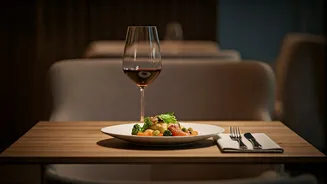
The perception of dining alone has dramatically transformed. What was once an activity tinged with awkwardness or perceived loneliness has evolved into a cherished ritual of 'me-time.' Individuals are discovering the joy of leisurely meals, the freedom to explore diverse culinary offerings without compromise, and the simple pleasure of people-watching. This personal exploration extends beyond meals, with many planning solo trips to destinations like Meghalaya, seeking an immersive experience tailored entirely to their preferences. Armed with increased disposable income and a plethora of choices readily available, a growing segment of the population is actively reclaiming their time and forging a lifestyle centered on individual pursuits and self-gratification, making solo ventures a deliberate and fulfilling choice.
Hospitality Caters to One
The hospitality sector in India is keenly adapting to the rising tide of solo patrons. Cafes, restaurants, and hotels are increasingly designing spaces and services to accommodate individuals dining or staying alone. Advisory firms specializing in the hospitality industry note that solo diners are now a key consideration in the planning stages of new establishments, not an afterthought. This includes offering intimate seating arrangements, flexible menu portions, and attentive service that respects individual preferences for interaction or solitude. Restaurants are recalibrating menus with tasting formats and half-portions, and seating is strategically arranged to ensure solo guests feel integrated rather than isolated. The aim is to make solo diners feel like the most valued guests, recognizing their potential for loyalty and their contribution to business, especially during off-peak hours.
The Business of Solitude
From a business perspective, catering to solo diners is proving to be a smart strategy. Restaurants have observed that individuals dining alone often exhibit predictable ordering patterns and tend to become repeat customers. This also encourages establishments to refine their portion control and pricing strategies, leading to improved operational efficiency without compromising the guest experience. The rise in solo patrons, particularly during non-peak times, contributes to better table utilization. Beyond the financial benefits, the presence of solo diners pushes businesses to enhance their service standards, fostering a more disciplined and guest-centric approach. This trend is not merely a fleeting moment but a sustainable evolution in how people engage with dining establishments.
Travel: The Solo Frontier
Travel stands at the forefront of India's solo movement, with statistics showing a significant surge in individuals exploring destinations alone. Fintech platforms report that solo travel constitutes a dominant preference among Indian travelers, with a notable percentage of trips undertaken by individuals. This trend is particularly evident among young adults and working professionals aged 25 to 40, who are increasingly confident and financially independent. Hotels are experiencing a year-on-year rise in solo guests, with a particular increase in solo female travelers, facilitated by enhanced safety measures and infrastructure. The growth in solo bookings on vacation rental platforms further underscores this phenomenon, with travel alone now widely celebrated as a powerful symbol of empowerment and personal growth.
Social Media's Influence
Social media platforms play a crucial role in normalizing and popularizing the trend of solo travel and dining in India. As more individuals embark on solitary journeys and share their experiences online, it helps to demystify and destigmatize these activities. These shared narratives contribute to making solo exploration an aspirational and widely accepted way for Indians to discover the world on their own terms. The visual documentation and personal testimonials shared on social media help to showcase the joys and benefits of traveling and dining alone, encouraging others to step out of their comfort zones. This digital amplification fosters a sense of community among solo adventurers and reinforces the idea that embracing one's own company is a mark of independence and self-discovery.