




Cravings: Body's Signals
Food cravings are more than just simple desires; they act as significant indicators of our physiological and psychological states. Whether it's an intense
pull towards sugary treats, a deep yearning for salty snacks, or the undeniable urge to crunch on something, these impulses are intricately linked to the complex interplay between our brain's reward system, our metabolism, and our daily habits. Emerging expert opinions suggest that mastering cravings is less about exhibiting strong willpower and more about developing a keen awareness of our body's internal messages and responding to them with thoughtful intention. The key lies in understanding these signals, not in suppressing them, to achieve a healthier relationship with food and our well-being.
The Brain's Reward System
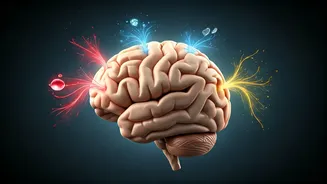
The brain's powerful reward circuitry plays a central role in the formation and persistence of food cravings. Consuming foods rich in sugar, salt, or fat triggers the release of dopamine, a neurotransmitter associated with pleasure and satisfaction. This neurochemical response creates a positive feedback loop, reinforcing the behaviour of seeking out these specific types of foods. When we experience these cravings, it's often our brain signalling a desire for that immediate feel-good sensation. Experts emphasize that managing these urges effectively involves understanding this biological mechanism and finding ways to achieve balanced satisfaction without relying solely on high-reward foods, thereby preventing an unhealthy cycle of consumption.
Sugar Cravings Explained
A sudden craving for something sweet is frequently an indicator of your body's need for rapid energy. When blood glucose levels drop too low, the body naturally seeks out sources of quick fuel, and sugary foods are readily absorbed, providing an immediate energy boost. This physiological response explains why we often reach for sweets when feeling fatigued or experiencing a dip in energy. It's crucial to recognise that this urge signifies a need for energy rather than an indulgence. Addressing it with balanced meals that include complex carbohydrates, protein, and healthy fats can help stabilise blood sugar and reduce the intensity and frequency of these sugar-driven cravings over time.
Salty Cravings: Dehydration or Stress?
Cravings for salty foods can often point to imbalances within the body, most notably dehydration or a deficiency in essential electrolytes. When the body lacks sufficient fluids or electrolytes like sodium, it can manifest as a desire for salt. Interestingly, stress also plays a significant role; elevated cortisol levels due to chronic stress can heighten the appeal of salty snacks. This occurs because salty foods can sometimes provide a temporary sense of comfort or grounding. Understanding these underlying causes is key to managing salt cravings effectively. Ensuring adequate hydration and exploring stress-management techniques can help mitigate these urges, preventing reliance on high-sodium processed foods.
The Comfort of Crunch
Unlike cravings for sweet or salty tastes, the desire for crunchy textures is often rooted in behavioural patterns rather than nutritional deficiencies. The physical act of chewing itself can be incredibly therapeutic, offering a sensory release and a means of stress reduction. This type of craving is frequently associated with the need for mental stimulation or a desire to engage the senses. The satisfying sound and texture provide a distraction and a sense of comfort. While not indicative of a specific nutrient need, these cravings highlight the body's search for comfort and sensory satisfaction, which can be addressed through mindful chewing or alternative sensory-focused activities.
Blood Sugar Rollercoaster
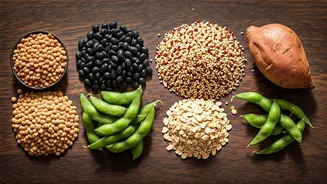
Fluctuations in blood sugar levels are a primary instigator of persistent hunger and intense cravings. Consuming diets high in refined carbohydrates can lead to rapid surges in blood glucose, followed by precipitous drops. This cycle of highs and lows leaves the body feeling depleted and signals a demand for calorie-dense foods to restore energy levels. The immediate relief provided by sugary or processed snacks can, paradoxically, exacerbate the problem, leading to more frequent and stronger cravings. Maintaining stable blood sugar through balanced meals rich in protein, fibre, and healthy fats is essential for reducing the intensity and frequency of these demanding urges.
Lifestyle's Role
Our daily lifestyle choices profoundly influence the frequency and intensity of our food cravings. Insufficient sleep, for instance, disrupts the hormones responsible for regulating hunger (ghrelin) and satiety (leptin), often leading to increased appetite. Similarly, chronic stress elevates cortisol levels, a hormone that can promote the desire for energy-rich, often unhealthy, foods. These lifestyle factors create a biological predisposition towards cravings. Cultivating mindful eating habits and ensuring adequate rest are therefore crucial. Prioritising nutrient-dense foods that provide sufficient protein, fibre, and healthy fats forms the foundation of a diet that can proactively prevent overwhelming food cravings.
Smart Swaps for Balance
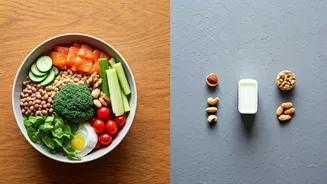
Rather than attempting to suppress cravings entirely, a more effective approach involves understanding them and employing mindful substitutions. For those with a sweet tooth, natural alternatives like fruits, dates, or small portions of dark chocolate can provide satisfaction without causing significant blood sugar spikes. Innovative options like sugar-free kheers made with fresh fruit pulp offer a healthier way to indulge. For salty cravings, nutrient-rich nuts and seeds are excellent choices, providing flavour and essential minerals. Staying well-hydrated, perhaps with refreshing nimbu pani, can also curb unnecessary salt urges. The principle is to satisfy the craving without resorting to excessive processed foods or overly restrictive diets, which often backfire.