




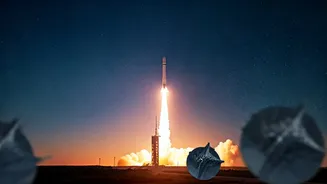
A Clean Orbit Mission
An innovative international alliance is poised to reshape the space environment by establishing a viable business model for clearing orbital debris. Two
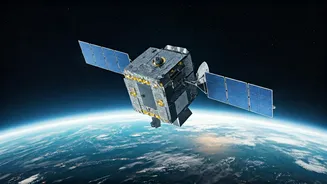
companies, Portal Space Systems from the United States and Paladin Space from Australia, have joined forces to introduce a commercial platform for "Debris Removal as a Service" (DRAAS). Their objective is to transition from isolated experimental efforts to a dependable, high-volume solution specifically for the low Earth orbit region. This partnership integrates distinct technological approaches to address the increasing congestion above our planet. Portal contributes its highly adaptable and refuellable Starburst spacecraft, engineered for prolonged operational life in orbit. Complementing this is Paladin's specialized Triton payload, which is equipped with sophisticated systems designed to detect, classify, and securely capture irregularly moving debris. The primary focus of this mission is on objects smaller than one meter in size, a category that represents a significant blind spot in orbital safety and poses the majority of risks to active satellites. By emphasizing operational efficiency, the team intends to capture multiple targets during a single mission, thereby substantially reducing the overall cost associated with maintaining the orbital environment. This strategic approach ensures that the greatest benefit is delivered to satellite operators by efficiently addressing the pervasive threat posed by smaller debris fragments.
The Growing Debris Threat
The scale of the problem in our orbital environment is truly astounding; experts estimate that approximately 130 million distinct pieces of debris are currently in orbit around Earth. This vast collection of space junk encompasses a wide range of objects, from minuscule flecks of paint and fragments resulting from explosions to immense, defunct rocket bodies and discarded satellites. For a considerable period, the sheer volume of this detritus has been a cause for alarm within the global space community. However, the prevailing focus has now shifted from merely acknowledging the problem to actively pursuing and implementing solutions. While prior missions have successfully demonstrated the technical feasibility of capturing space debris, this new collaboration between Portal and Paladin aims to bridge the crucial gap between initial proof-of-concept demonstrations and the establishment of a standard, widely adopted business utility for debris removal. This endeavor is about transforming debris removal from an experimental concept into an operational necessity. Maintaining the infrastructure of satellite data, which is fundamental to critical services like communications, navigation, weather forecasting, and national security, necessitates proactive debris management strategies. The market itself is already indicating a strong demand for these orbital maintenance services, with one company having already signed a letter of intent to integrate these cleanup capabilities into their upcoming space station operations, signaling a clear need and acceptance of such services.
Rapid Development & Funding
To bring this ambitious vision to fruition, both companies are progressing at an accelerated pace. The initiative received a significant boost in April when Portal successfully secured $50 million in Series A funding. This substantial capital infusion is earmarked to expedite the development of its agile spacecraft, enabling faster progress toward its operational goals. The debut of the Starburst-1 spacecraft is slated for late 2026, with its launch planned as part of a SpaceX Transporter-18 rideshare mission. This initial flight is intended to serve as a critical stepping stone, paving the way for full-scale commercial operations to commence in 2027. This structured timeline reflects a determined effort to move swiftly from development to deployment, addressing the urgent need for effective debris removal solutions in Earth's orbit. The planned operational launch in 2027 signifies a new era where proactive orbital maintenance becomes a standard service, ensuring the long-term sustainability and safety of space activities for all stakeholders involved in scientific, commercial, and governmental endeavors.