




Protein's Double-Edged Sword
Protein has ascended to a prominent position in contemporary dietary discussions, frequently incorporated into meals by individuals aiming to enhance their
physical fitness and overall well-being. While adequate protein intake is undeniably crucial for numerous bodily functions, the notion that 'more is always better' warrants careful examination. This prompts a critical inquiry into defining excessive protein consumption and understanding its potential repercussions. As the discourse surrounding high-protein diets intensifies, medical professionals are increasingly scrutinizing the less-discussed adverse outcomes associated with an overabundance of protein. The following exploration aims to illuminate how an excessive dietary protein load might lead to unintended health consequences, particularly concerning the delicate ecosystem within our digestive tract. Understanding this balance is key to harnessing protein's benefits without succumbing to its potential drawbacks, ensuring a truly holistic approach to nutrition.
Gut Bacteria's Protein Problem
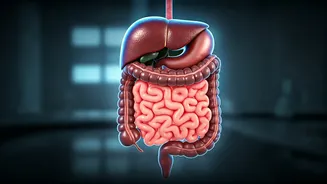
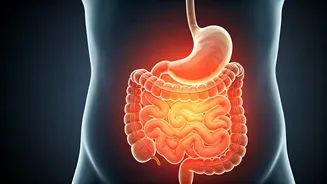
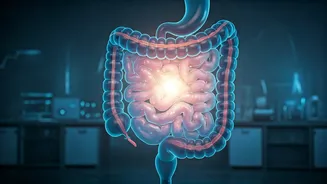
Dr. Karan Rajan, a UK-based surgeon known for his accessible health explanations, highlights that consuming protein beyond your body's needs can indeed be detrimental to your gut. He elaborates on the digestive process, explaining that while the majority of protein is efficiently processed and absorbed in the small intestine, any surplus that bypasses this stage can migrate to the colon. Here, it becomes a substrate for gut bacteria, leading to a shift in their metabolic activity. Instead of fermenting beneficial fibers and complex carbohydrates, which yields short-chain fatty acids crucial for gut health, the bacteria pivot towards fermenting the excess protein. This process, termed proteolytic fermentation, produces compounds that are not inherently beneficial and can disrupt the gut's natural equilibrium, setting the stage for various digestive disturbances.
Inflammatory Byproducts Emerge
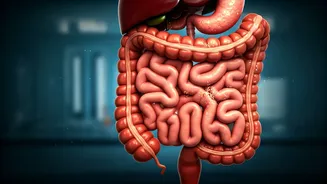
The fermentation of excess protein in the colon by gut bacteria generates a range of byproducts that can have adverse effects on the intestinal environment. Dr. Rajan points out that these metabolites include compounds such as ammonia, p-cresols, indoles, phenols, and hydrogen sulfide. These substances are associated with promoting an inflammatory state within the colon, which can compromise the integrity of the gut barrier—the protective lining of the intestines. Furthermore, this shift in fermentation patterns can lead to a significant alteration in the composition of the gut microbiome. Specifically, it can foster the proliferation of bacterial species like Bacteroides and Fusobacterium, which, while normally present in the gut, are ideally kept in lower proportions. An overabundance of these and other protein-fermenting bacteria contributes to an imbalanced and potentially unhealthy gut environment.
Finding Your Protein Sweet Spot
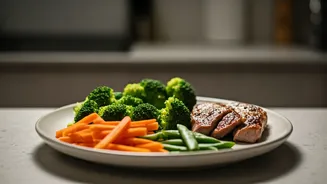
Despite the potential downsides of excessive intake, protein remains a fundamental nutrient indispensable for overall bodily health and function. Dr. Rajan stresses that even for individuals with heightened physical demands, such as athletes, the recommended daily protein intake typically falls within a range of 1.6 to 2 grams per kilogram of body weight. For instance, an 80-kilogram athlete would aim for approximately 128 to 176 grams of protein daily to optimize muscle protein synthesis. He advocates for a balanced dietary approach that incorporates both adequate protein and sufficient fiber, rather than an exclusive focus on protein sources. Diversifying protein choices to include options like yogurt, lentils, and edamame—which offer a broader spectrum of nutrients alongside protein—is recommended over repetitive consumption of common sources like chicken, whey, or beef. This integrated approach supports both muscle maintenance and a thriving gut microbiome.