


Moisture Lovers Beware
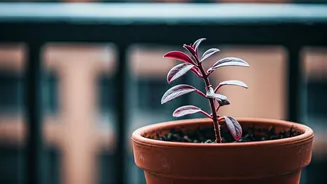
Plants that crave consistently damp soil, such as ferns, Venus flytraps, and peace lilies, often face an uphill battle when housed in terra-cotta. The
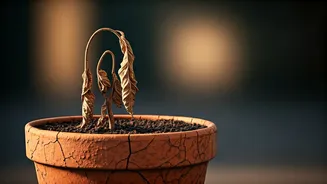
inherent porosity of these clay pots allows moisture to evaporate rapidly from the soil. This quick drying effect can lead to the plant's roots becoming parched, hindering growth and overall health. For ferns, this means a constant need for vigilant watering and high humidity, making the porous nature of terra-cotta a persistent challenge. Similarly, Venus flytraps require consistently wet conditions, and the terra-cotta's tendency to absorb water and potentially harmful accumulated salts from the soil can be detrimental. While peace lilies might tolerate terra-cotta, they will undoubtedly demand more frequent watering to compensate for the rapid soil desiccation, making alternative materials like ceramic a more forgiving choice. Even seedlings find terra-cotta inhospitable due to its drying properties.
Outdoor Evergreens' Chill
For gardeners in regions experiencing frost, selecting the right pot for outdoor evergreens is crucial, and standard terra-cotta often falls short. Unless you're investing in high-quality, frost-resistant varieties like Italian Impruneta, typical terra-cotta pots are susceptible to cracking and breaking when exposed to freezing temperatures and thawing cycles. This structural compromise can lead to the demise of your cherished outdoor plants. While there are specialized, more durable terra-cotta options designed to withstand harsh winter conditions, it's essential to identify these and understand that they differ significantly from their less expensive counterparts, which are often manufactured in places like America and Mexico and are not built for extreme cold. Choosing a pot that can endure seasonal changes is paramount for the long-term survival of outdoor evergreens.
Repotting Signals
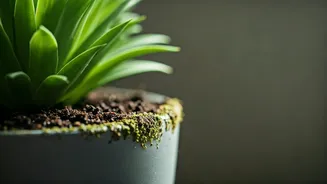
Recognizing when your plant is outgrowing its current container is vital for its well-being. A clear indicator that a repot is due is when roots begin to visibly protrude from the drainage holes at the bottom of the pot. Another significant sign is if the plant remains droopy and appears thirsty even shortly after watering. This suggests that the soil volume has diminished, leaving insufficient space for roots to absorb and retain adequate moisture. You might also notice that water drains through the pot quickly, yet the plant still looks wilted. When these symptoms arise, it's time to move your plant to a larger pot with fresh soil, ideally during a warm period of growth to facilitate a smooth transition. Consider pots with a combination of glazed exterior and raw clay interior for enhanced airflow.
Terra-Cotta's Best Bets
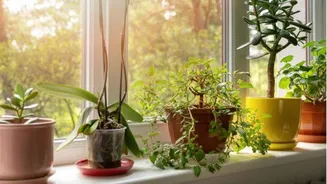
While certain plants struggle in terra-cotta, many others actually thrive in these classic clay containers. The key lies in a plant's watering needs; any plant that prefers its soil to dry out somewhat between waterings is an excellent candidate for terra-cotta. This includes a wide array of popular houseplants such as succulents, cacti, hoyas, peperomias, and pothos, among others. The porous nature of terra-cotta helps to prevent these drought-tolerant species from developing root rot, which is a common issue for plants that require drier conditions. By allowing excess moisture to evaporate, terra-cotta pots create an ideal environment for these resilient plants, promoting healthy root development and overall vitality.