




Scalp Tightness Warning Signs
Actress Samantha Ruth Prabhu recently shared a crucial insight into her hair care regimen, highlighting the significance of a relaxed scalp. She revealed
that a feeling of tightness on the scalp is a clear indicator that one's hair is not being cared for adequately. Promptly recognizing this sensation signals the opportune moment to indulge in an oil massage and conditioning treatment. This realization stems from understanding that constant pressure from restrictive hairstyles can compromise hair follicle health over time. By paying attention to these subtle signals, individuals can proactively address potential issues before they escalate into more serious concerns like hair thinning or permanent hair loss, emphasizing a preventative approach to maintaining lustrous locks.
The Perils of Tight Hairstyles
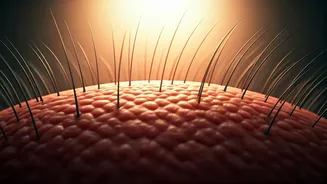
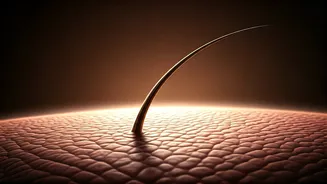
Experts concur that the way we style our hair daily profoundly impacts its overall well-being. Tying hair excessively tightly, particularly when it's still damp or naturally fragile, significantly elevates the risk of strands breaking and places undue stress on the hair follicles. If this practice persists over an extended period, it can lead to a condition known as traction alopecia, where the damage to the follicles transitions from being reversible to causing permanent hair loss due to scarring. High ponytails, severe buns, and tightly braided styles exert continuous pressure on the roots and scalp. This isn't merely an aesthetic concern; such sustained tension can render the scalp sensitive and uncomfortably sore.
Recognizing Early Symptoms
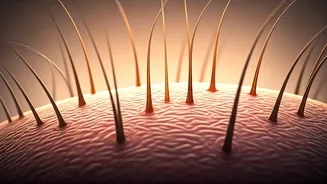
The initial indicators of distress caused by tight hairstyles are often subtle but noteworthy. Individuals might experience mild scalp soreness, persistent headaches, or the appearance of small bumps surrounding the hair follicles. These are early warnings that the scalp and hair roots are under strain. Should these habits continue unabated, the hair roots can progressively weaken, culminating in gradual, and sometimes irreversible, hair loss in the affected regions. The critical takeaway is that the sooner these signs are identified and addressed, the greater the likelihood of effectively reversing the damage and restoring scalp health, underscoring the importance of attentive self-monitoring.
Expert Advice for Healthier Hair
To safeguard hair and scalp health, adopting looser hairstyles is a remarkably effective yet simple strategy. Key recommendations include opting for styles that avoid excessive tension, especially in the same areas repeatedly, and regularly changing hair partings to distribute stress. Providing the scalp with consistent breaks from constrictive styles is paramount for maintaining follicle vitality. Furthermore, utilizing soft hair ties instead of those that grip too tightly and minimizing prolonged periods of tension are highly beneficial. Ultimately, while sleek, tightly pulled looks can be appealing, their frequent adoption can lead to preventable issues such as thinning hair and general discomfort. Prioritizing gentler styling choices and remaining attuned to early warning signs like pain or tightness is essential for preserving both hair health and overall comfort.