




Vibrant Black-Eyed Susans
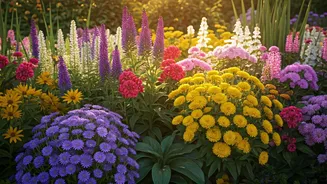
Add a splash of brilliant yellow to your garden with Black-Eyed Susans (Rudbeckia hirta). These cheerful flowers, characterized by their bright petals
and dark centers, begin their bloom approximately eight to ten weeks after planting. They are a magnet for pollinators, generously offering nectar and pollen to attract bumblebees, butterflies, and moths. Thriving in full sun, they typically reach a height of 2-3 feet and a width of 1-2 feet, preferring well-drained, average soil and moderate watering. Their hardiness spans zones 3-9, making them a resilient choice for many gardens.
Hardy Coneflowers Await
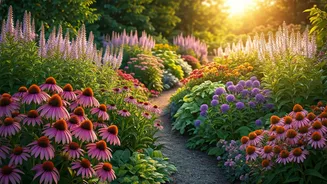
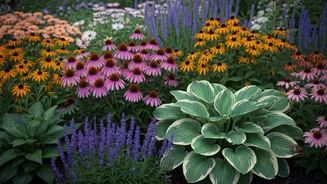
Coneflowers, scientifically known as Echinacea purpurea, are robust perennials that grace the garden with their presence about ten to twelve weeks after being planted. Their distinctive daisy-like appearance, featuring a prominent central cone, makes them instantly recognizable. These plants flourish in full sun to partial shade and require well-drained, fertile soil, along with moderate watering. Reaching heights of 2-4 feet and spreading 1-2 feet wide, they are suitable for zones 3-8 and are known for their resilience.
Easy Daylilies Bloom
Daylilies (Hemerocallis) are incredibly easy to cultivate and typically start blooming around six to eight weeks after planting. They are frequently utilized along garden borders and edges, providing a neat and continuous visual appeal. Available in a spectrum of colors, including reds, oranges, purples, and pinks, their trumpet-shaped blossoms are a delightful sight. These versatile plants grow to 1-4 feet tall and 1-2 feet wide, preferring full sun to partial shade, well-drained, average soil, and moderate moisture. They are well-suited for zones 3-9.
Fragrant Lavender Fields
Embrace the soothing scent of Lavender (Lavandula), a perennial known for its fragrant foliage and beautiful purple blooms, which typically appear eight to ten weeks after planting. For optimal growth, it's best to plant lavender in the spring, after the last frost has passed. It thrives in full sun and requires well-drained, sandy soil, with a preference for low watering. This plant generally grows 1-3 feet tall and 1-2 feet wide, making it suitable for zones 5-9.
Luxurious Peonies Blossom
Peonies (Paeonia) are highly cherished for their large, opulent, and fragrant flowers that emerge approximately ten to twelve weeks post-planting. These long-lived perennials offer a variety of stunning colors and serve exceptionally well as backdrop plants, enhancing the visual depth of other companion flora. They grow to a considerable size, reaching 2-4 feet in height and 2-3 feet in width. Peonies prefer full sun to partial shade, fertile, well-drained soil, and moderate hydration, and are hardy in zones 3-8.
Shade-Loving Hostas
Hostas (Hosta fortunei) are quintessential shade-loving perennials, rewarding gardeners with their lush foliage and delicate flowers about eight to ten weeks after planting. They are a staple in many garden designs due to their ease of care and propagation, and they pair beautifully with a wide array of other perennials and plants. These plants can grow 1-3 feet tall and 1-4 feet wide, preferring partial to full shade. They require well-drained, fertile soil and moderate watering, and are well-suited for zones 3-9.
Cheerful Shasta Daisies
Shasta Daisies (Leucanthemum x superbum) bring a sense of cheerfulness with their classic white petals and sunny yellow centers, typically blooming eight to ten weeks after planting. These resilient perennials are notable for their drought tolerance and deer resistance. They reach heights of 2-3 feet and spread 1-2 feet wide, thriving in full sun. Well-drained, average soil and moderate watering are ideal, and they are hardy in zones 4-9.
Bright Coreopsis Blooms
Coreopsis (Coreopsis spp.), also affectionately known as tickseed, offers a burst of bright yellow flowers and a notably long blooming season, usually starting six to eight weeks after planting. These plants are known for their cheerful appearance and extended flowering period. They typically grow between 1-3 feet tall and 1-2 feet wide, preferring full sun and well-drained, average soil. Moderate watering is sufficient for these hardy perennials, suitable for zones 4-9.
Versatile Phlox Clusters
Phlox (Phlox paniculata) is a remarkably versatile perennial, presenting clusters of vibrantly colored flowers approximately eight to ten weeks after planting. Among its over 70 species, creeping phlox, woodland phlox, and tall phlox are the most commonly cultivated. These plants reach impressive heights of 2-4 feet and spread 1-2 feet wide. They adapt well to full sun or partial shade, thrive in well-drained, fertile soil, and require moderate water, making them suitable for zones 4-8.
Succulent Sedum Charm
Sedum (Sedum spp.), also recognized as stonecrop, offers unique charm with its succulent foliage and star-shaped flowers, beginning to bloom about six to eight weeks after planting. These plants are known for their distinctive, fleshy leaves and attractive blooms. They generally grow 1-2 feet tall and 1-2 feet wide, preferring full sun and well-drained, sandy soil. Sedum requires low watering, making it a drought-tolerant choice for zones 3-9.
Aromatic Bee Balm
Bee Balm (Monarda) is a visually striking and aromatic perennial that enchants the garden with its colorful flowers and fragrant foliage, typically blooming eight to ten weeks after planting. This plant is a favorite among pollinators and also holds culinary and medicinal uses, making it a popular choice for pollinator, herb, and container gardens. Bee Balm grows 2-4 feet tall and 1-2 feet wide, favoring full sun to partial shade. It thrives in well-drained, fertile soil with moderate watering and is hardy in zones 4-9.
Feathery Astilbe Plumes
Astilbe (Astilbe spp.) is an exquisite shade-loving perennial celebrated for its delicate, feathery plumes of flowers, which typically appear about eight to ten weeks after planting. It's an excellent option for gardeners seeking a low-maintenance perennial that complements other shade-tolerant plants beautifully. Astilbe can grow 1-3 feet tall and 1-2 feet wide, preferring partial to full shade. It requires well-drained, fertile soil and moderate moisture, and is suitable for zones 4-9.
Elegant Hellebores Bloom
Hellebores (Helleborus spp.) are among the earliest perennials to bloom, gracing the garden with their presence approximately six to eight weeks after planting. They are distinguished by their elegant, nodding flowers and attractive evergreen foliage, offering winter interest. These plants typically grow 1-2 feet tall and 1-2 feet wide, thriving in partial shade. They prefer well-drained, fertile soil and moderate watering, and are hardy in zones 4-9.
Showy Iris Varieties
Irises (Iris spp.) are elegantly captivating perennials, known for their diverse color combinations, flower sizes, and intricate shapes, often blooming about eight to ten weeks after planting. The name 'iris' itself, derived from the Greek word for 'rainbow,' aptly describes their stunning chromatic range. Characterized by their sword-like leaves and showy blooms, they reach heights of 2-4 feet and widths of 1-2 feet. Irises prefer full sun to partial shade, fertile, well-drained soil, and moderate moisture, and are suitable for zones 3-9.
Hardy Yarrow Clusters
Yarrow (Achillea millefolium) is a hardy perennial renowned for its clusters of tiny flowers and distinctive fern-like foliage, typically blooming 6-8 weeks after planting. Also known by nicknames like 'gordaldo' and 'thousand leaf,' this plant offers a unique texture to the garden. It grows 1-3 feet tall and 1-2 feet wide, thriving in full sun. Yarrow prefers well-drained, average soil and requires low watering, making it a drought-tolerant choice for zones 3-9.