




Ancient Practice Explained
For generations, a common belief has persisted that applying specific oils, particularly mustard oil, to the navel can contribute to healing cracked lips
and fostering general wellness. Ayurveda, the traditional Indian system of medicine, regards the navel as a pivotal energy nexus, especially vital during pregnancy as the conduit for a baby's nourishment. While mustard oil is frequently mentioned, experts suggest that a diverse array of oils can be applied to this area, each possessing its own set of unique advantages and therapeutic properties. This practice extends beyond mere remedy, serving as a natural approach to bodily and skin care. Health experts point out that the region surrounding the navel is densely populated with numerous minute nerves and blood vessels. A gentle massage in this area can indeed evoke a sense of deep relaxation. However, it is crucial to understand that this should not be construed as a definitive cure for any ailment. Many individuals report experiencing mild positive effects, such as enhanced digestion, improved skin hydration, or a general feeling of tranquility, after incorporating navel oiling into their routine. Nonetheless, these reported benefits are largely anecdotal, lacking robust scientific validation, and individual experiences can vary significantly.
Oils and Their Benefits
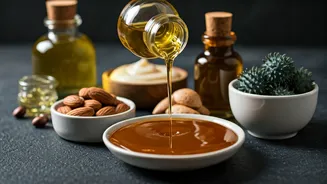
Delving deeper into the specific properties of various oils, we find a spectrum of benefits applicable to navel application. Mustard oil, for example, is traditionally associated with generating internal warmth within the body. In colder climes, a gentle massage with mustard oil might offer relief from abdominal discomfort, aiding in the alleviation of gas or bloating, though individual responses are variable. The application is simple: a mere 2-3 drops placed on the navel and massaged clockwise can initiate the process. Neem oil, renowned for its potent antibacterial qualities, offers a cleansing and protective effect. Coconut oil, on the other hand, is a superb moisturizer, particularly beneficial for those with sensitive skin due to its gentle nature. Castor oil, celebrated for its anti-inflammatory capabilities, could potentially help mitigate muscle stiffness or abdominal tightness. It is often recommended for application in small quantities before retiring for the night. Furthermore, almond oil, abundant in essential nutrients, is believed to promote relaxation, which in turn may contribute to better sleep quality. These diverse oils cater to different needs, making navel oiling a versatile practice.
Traditional Significance & Ghee
Beyond the direct physical benefits, traditional wisdom deeply imbues the navel with significant cultural and spiritual importance. Elders frequently refer to it as the very center of the human body, especially highlighting its crucial role during pregnancy, as it directly links to the sustenance and development of the fetus. In the realm of Ayurveda, desi ghee (clarified butter) is highly esteemed for its dual action of nourishing and intensely moisturizing the skin. Applying just a drop or two of pure ghee to the navel is thought to effectively combat skin dryness in that area. Additionally, some proponents suggest that this application can lead to a profound sense of mental calmness and inner peace, contributing to overall emotional well-being. This ancient belief system underscores the navel's role not just as a physical conduit but also as a point of energetic balance and nourishment.
Safe Application Practices
To ensure a safe and beneficial experience with navel oiling, a straightforward yet important routine should be followed. It is advisable to begin by thoroughly cleaning your navel area just before going to bed. Subsequently, apply 2-3 drops of your chosen oil or ghee directly onto the navel. Gently massage the area for approximately five minutes, allowing the oil to be absorbed and its properties to work. It is paramount to cease application immediately if you notice any signs of an allergic reaction or experience any irritation whatsoever. Leading health professionals strongly emphasize that navel oiling is best viewed as a complementary, traditional practice aimed at supporting well-being, and it should never be considered a substitute for conventional medical treatment or advice. Should you be experiencing persistent issues such as gas, bloating, hormonal imbalances, or ongoing skin concerns, it is imperative to consult with a qualified medical doctor for proper diagnosis and care.