





Genetic Heart Predisposition Explained
Actress Soha Ali Khan, at 47, recently shared a significant finding from her medical check-up: a genetic marker that increases her susceptibility to heart
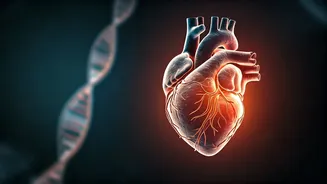
disease. This revelation means that despite having favorable cholesterol levels – good HDL being high and bad LDL being low – she must maintain even lower cholesterol figures than the general population. This highlights a crucial point emphasized by Dr. Parin Sangoi, a cardiologist, who explains that a genetic predisposition indicates a body's inherent tendency to develop cardiac issues. Even when current health indicators appear normal, individuals with such genetic risks are advised to manage factors like cholesterol more stringently to mitigate future complications. It's about being proactive rather than reactive, understanding that genetic influences can override seemingly healthy results, thereby necessitating a more vigilant approach to lifestyle and diet for long-term cardiac health and prevention.
Cholesterol Nuances: Beyond Good Numbers
Even with ideal readings like high HDL (the 'good' cholesterol) and low LDL (the 'bad' cholesterol), a genetic predisposition to heart disease alters the health landscape. Dr. Sangoi clarifies that for individuals with a family history or identified genetic risk factors, the target range for LDL cholesterol is often set much lower. This isn't a cause for alarm but a strategic measure to enhance preventive care and minimize the likelihood of future heart-related problems. It underscores the importance of personalized health recommendations, where genetic insights refine standard health advice, encouraging proactive adjustments to diet and habits to ensure optimal long-term cardiovascular well-being. Consistency in maintaining these adjusted levels is key to leveraging genetic information for better health outcomes.
Mediterranean Diet's Role
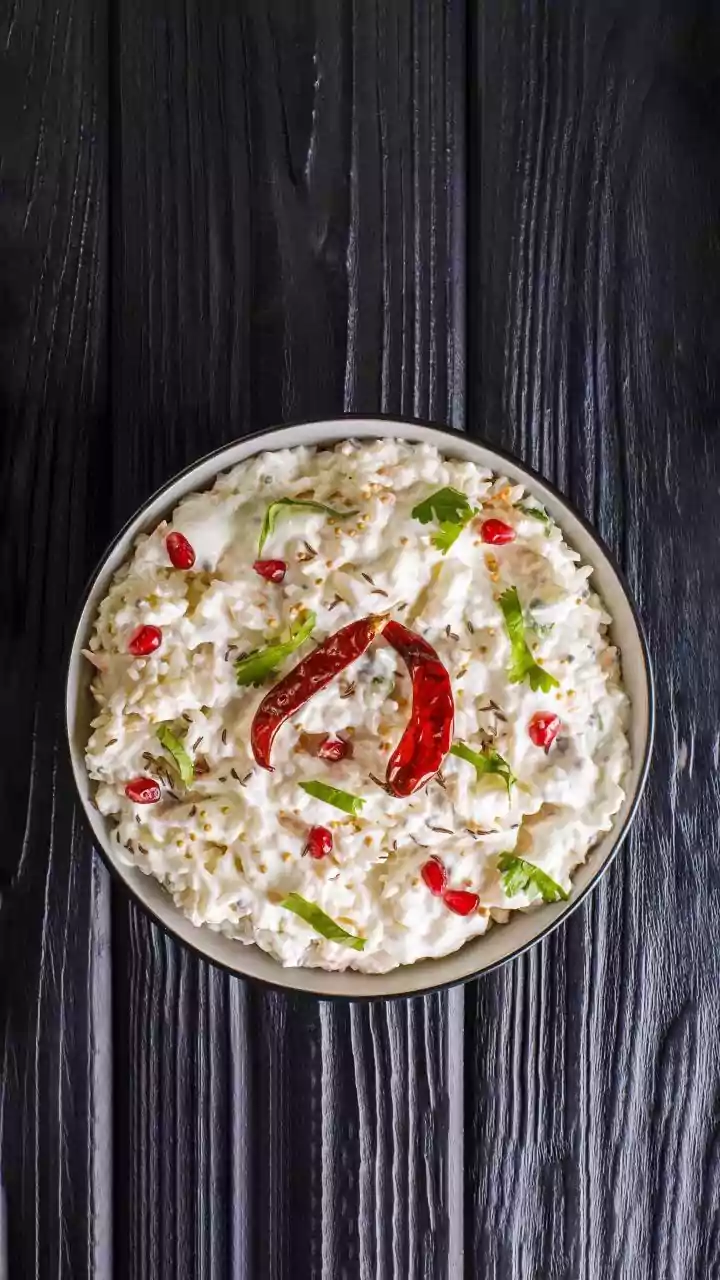
The Mediterranean dietary pattern, renowned for its focus on wholesome, fresh ingredients, proves beneficial in managing heart health, especially when genetic predispositions are a concern. This eating style emphasizes lean proteins, abundant fruits and vegetables, whole grains, nuts, seeds, and healthy fats like olive oil. By prioritizing these nutrient-dense foods, it aids in effectively controlling cholesterol levels, reducing inflammation throughout the body, and fostering overall physiological balance. The sustained adoption of such a diet, rather than sporadic healthy eating choices, is paramount. This consistent adherence contributes significantly to long-term cardiovascular health, making it a cornerstone of managing and mitigating risks associated with genetic heart disease tendencies, as Soha Ali Khan herself is adopting.
Mindful Oil Choices
When it comes to cooking oils, the emphasis shifts from solely the type to moderation and the oil's fat profile, as advised by Dr. Sangoi. Rather than relying heavily on processed or oils subjected to repeated heating, opting for fresh oils and rotating choices like olive oil, mustard oil, or other balanced alternatives is recommended. The method of oil usage often plays as significant a role as the specific oil chosen. For instance, minimizing deep-frying and prioritizing sautéing or light dressing applications can further enhance the health benefits. This mindful approach to fat consumption, integrated into a balanced diet, is vital for individuals aiming to optimize their heart health, particularly when facing genetic predispositions to cardiovascular conditions. Regular health assessments combined with these small, consistent dietary adjustments can yield substantial improvements.