
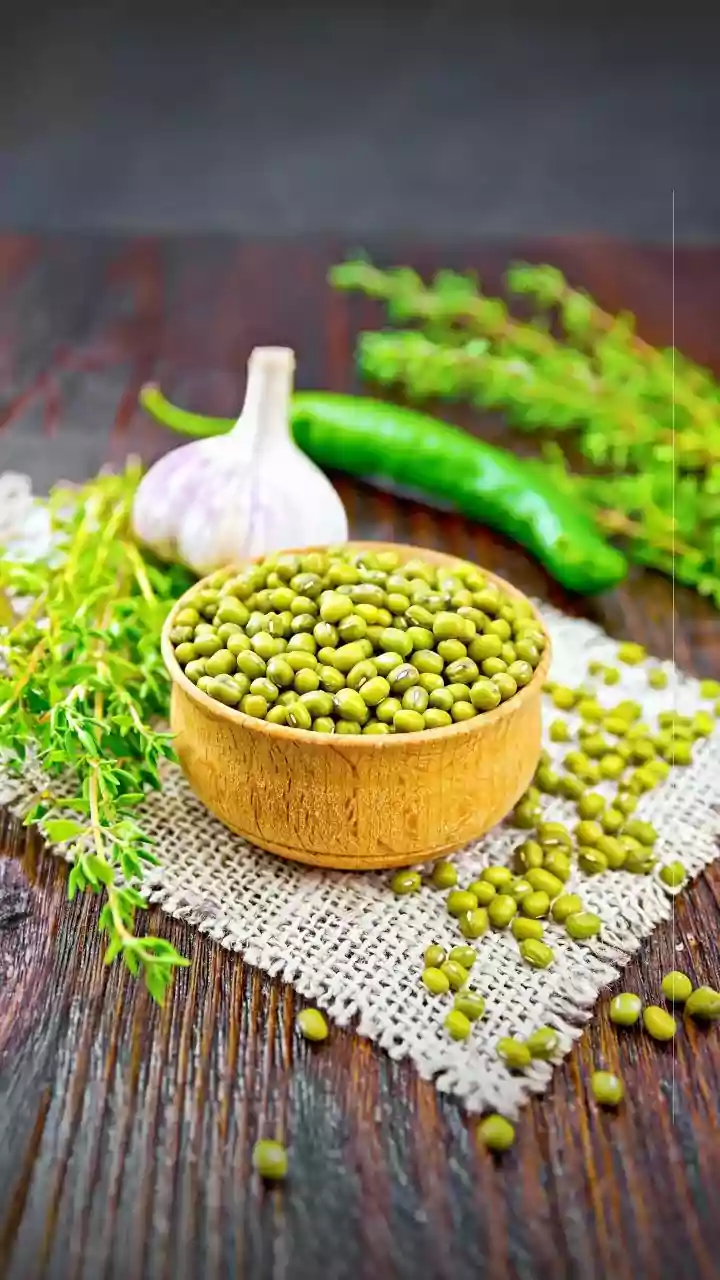






Dal Nutrition Deep Dive
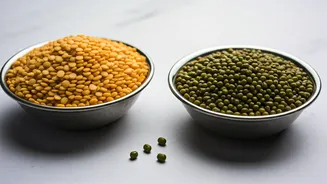
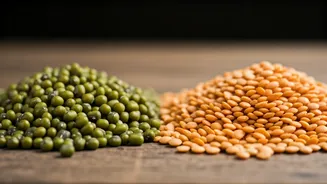
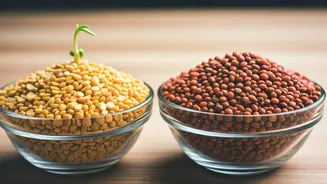
In the quest for a fitter physique, understanding the subtle differences between moong dal and arhar (toor) dal becomes crucial. Both are nutritional powerhouses
fundamental to Indian cuisine, providing essential protein and fiber. However, slight variations in their caloric density, protein composition, and digestibility can significantly influence how they aid in weight management. While some individuals find moong dal to be a lighter, more easily digestible option that promotes a feeling of fullness without heaviness, others prefer arhar dal for its substantial and familiar presence in daily meals. Ultimately, the impact of any dal on weight loss is amplified or diminished by cooking methods, the quantity consumed, and the accompanying dishes, underscoring the importance of a holistic approach to dietary choices that doesn't require sacrificing beloved foods.
Calorie, Protein, Fiber Comparison
When scrutinizing moong dal and arhar dal from a weight loss perspective, their nutritional profiles offer key insights. According to consultant dietitian Kanikka Malhotra, a 100-gram serving of cooked moong dal typically contains between 120 to 140 calories, offering approximately 7 to 8 grams of protein and 4 to 5 grams of fiber. In comparison, the same portion of cooked arhar dal provides a slightly higher calorie count, ranging from 130 to 150 calories, with a similar protein content of 7 to 8 grams, but boasts a marginally higher fiber content of 5 to 6 grams. Malhotra highlights that moong dal has a slight edge due to its lower calorie count and simpler fiber structure, which enhances satiety more effectively relative to its calories. While neither dal is definitively 'better' for weight loss, moong dal's lighter nutritional footprint may better support the modest calorie deficits often sought for weight reduction.
Satiety and Blood Sugar Impact
The interplay of fiber and protein quality in both moong and arhar dal plays a significant role in managing satiety and stabilizing blood sugar levels, which are vital for effective weight management. Moong dal's combination of fiber and high-quality protein contributes to a slower digestive process, helping to maintain steady blood sugar levels and preventing the sharp energy dips that can lead to increased hunger. Arhar dal, with its higher fiber content, also contributes to satiety and blood sugar control, but some individuals may experience a feeling of heaviness or bloating due to its more complex fiber structure, and it may have a slightly higher glycemic index. Moong dal tends to be more easily digestible, promoting consistent eating patterns without discomfort. Both dals are beneficial for muscle building, though moong dal is noted for providing a quicker energy source, ideal for active days.
Optimal Portions and Preparation
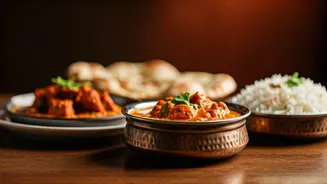
For individuals focused on weight loss, strategic portioning and preparation of both moong dal and arhar dal are key. Dietitian Kanikka Malhotra recommends consuming around 30 to 40 grams of dry dal, which translates to approximately half to three-quarters of a cup when cooked, yielding about 100 to 120 calories. A recommended preparation method involves soaking the dal first, followed by pressure cooking: moong dal for 20 to 30 minutes and arhar dal for 40 to 50 minutes. Incorporate a teaspoon of oil, turmeric (haldi), and cumin (jeera) for flavor and digestibility. To enhance nutritional value and satiety without adding significant calories, pair the dal with leafy greens like spinach (palak) or bottle gourd (lauki), a side of fresh salad, or a single whole wheat roti. It's advisable to avoid heavy tempering (tadka) that often adds excess fat and calories. Moong dal is particularly suited for lighter evening meals to support weight management goals.