






Mastering Meal Portions
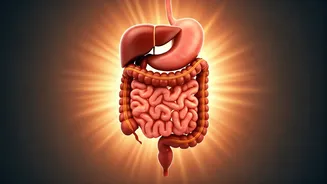
The most impactful strategy to prevent that post-meal fatigue, often referred to as a 'food coma,' is to simply avoid overeating. When your stomach is overloaded,
your body diverts a significant amount of blood flow to the digestive system to process the substantial intake of food. This increased digestive effort can lead to a temporary decrease in blood sugar and oxygen supply to the brain, manifesting as feelings of drowsiness and lethargy. Consciously controlling portion sizes ensures your digestive system isn't overwhelmed, allowing for a more balanced distribution of resources throughout your body and preventing the onset of that heavy, sleepy sensation.
Savvy Carb Choices
Carbohydrates are vital for providing the body with energy, but the type of carbohydrate you consume plays a crucial role in your post-meal energy levels. Refined carbohydrates, commonly found in white bread, processed pasta, and sugary confectioneries, can cause a rapid and significant spike in blood sugar. This is often followed by an equally sharp decline, leading to a noticeable crash in energy and feelings of fatigue. To maintain sustained energy, it's advisable to opt for complex carbohydrates. These are present in whole grains, an abundance of vegetables, and fruits, and they release energy into your bloodstream at a more gradual and consistent pace, averting the energy rollercoaster.
The Power of Balance
A well-balanced meal is key to preventing post-meal fatigue by promoting slower digestion and stable blood sugar. Ensure your meals incorporate a healthy combination of protein, beneficial fats, and dietary fiber. Protein and healthy fats work together to decelerate the rate at which your food is digested, thereby preventing abrupt fluctuations in blood glucose levels. Fiber also contributes significantly to this process; it not only aids in slower digestion but also enhances satiety, helping you feel fuller for longer and reducing the likelihood of overconsumption that can lead to a food coma. This balanced approach ensures your body receives a steady release of energy.
Hydration's Role
Staying adequately hydrated is a simple yet powerful ally in combating post-meal sluggishness. Even mild dehydration can contribute to increased feelings of tiredness and a general sense of fatigue, which can be amplified after a meal. To mitigate this, it's recommended to consistently drink water throughout the day, including before, during, and after your meals. Proper hydration supports all bodily functions, including digestion, and ensures that your body is working optimally. When you are well-hydrated, you are less likely to experience the debilitating effects of a food coma, allowing you to remain alert and functional.
Strategic Eating Habits
Beyond what you eat, how and when you eat also significantly influences your post-meal state. Eating large meals close to bedtime can disrupt your sleep patterns and lead to next-day grogginess. Aim to finish your final meal of the day a few hours before you intend to go to sleep. Furthermore, incorporating a brief, gentle walk after eating can be highly beneficial. This light activity aids in digestion and helps to regulate blood sugar levels by allowing your muscles to utilize consumed glucose. Conversely, engaging in strenuous physical activity immediately after a meal is best avoided as it can divert energy away from digestion.