





The Hidden Heart Threat
It's a common misconception that pristine health reports automatically translate to a perfectly sound heart. Many believe that if cholesterol levels are
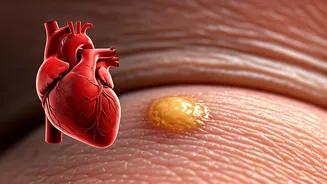
in check and general health indicators are positive, cardiac risks are minimal. However, this perspective often overlooks subtle yet significant threats. According to Dr. Sudhir Kumar, a neurologist from Apollo Hospitals in Hyderabad, even transient health issues like a common cold, the flu, or minor gum infections can significantly elevate the risk of serious cardiac events. These seemingly insignificant ailments can trigger a cascade of internal bodily responses that place undue stress on the cardiovascular system, leading to potentially grave consequences, regardless of an individual's baseline health markers or previous test results.
Infection's Cardiac Impact
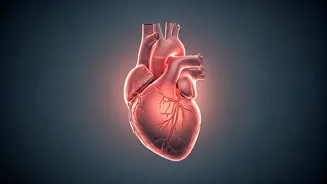
When your body battles an infection, it initiates a complex physiological response that can have direct implications for your heart. Dr. Kumar highlights that such infections can instigate systemic inflammation, a state where the entire body is on high alert, placing an amplified burden on the cardiovascular network. Concurrently, the body may enter a pro-thrombotic state, meaning your blood becomes more inclined to form clots. This heightened coagulability significantly increases the likelihood of blockages within your arteries. Furthermore, existing fatty deposits (plaque) in your arterial walls can become destabilized by this inflammatory and stress response, making them prone to rupture. This rupture can lead to sudden blockages, triggering acute cardiac events like heart attacks, often within a surprisingly short timeframe, sometimes just days after the initial infection begins, even if previous cardiovascular assessments were normal.
Three Pillars of Protection
Dr. Sudhir Kumar emphasizes that maintaining robust heart health involves more than just regular exercise and a balanced diet; it requires a nuanced understanding of how our bodies respond to illness. He outlines three fundamental principles often neglected, particularly during periods of sickness. Firstly, it's crucial to 'not push through sickness.' Engaging in strenuous physical activity while unwell places excessive strain on an already challenged heart. Secondly, 'pay attention to oral hygiene' is paramount. Infections in the gums and mouth can introduce bacteria into the bloodstream, contributing to systemic inflammation that is strongly linked to cardiovascular problems. Finally, 'give your body time to recover' is essential. Rushing back to normal routines and activities too quickly after an illness can hinder the body's healing process and potentially cause more harm than good. Dr. Kumar succinctly captures this by stating that heart health is as much about knowing when to rest as it is about staying active.