




The Samosa's Journey
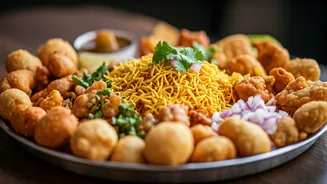
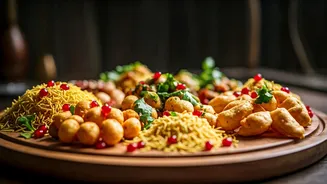
The crispy, triangular delight known as the samosa, a ubiquitous snack across India, actually hails from further west. Its earliest ancestors can be traced
to the Middle East and Central Asia, where a similar pastry, often called 'sambusak,' was a popular offering. These savory parcels made their way to India through the bustling routes of ancient trade and travel. Once in India, the concept was embraced and lovingly adapted, eventually transforming into the spiced potato-and-pea-filled sensation that Indian kitchens and street food stalls cherish today.
Chicken Tikka Masala's UK Birth
Despite its rich, aromatic spices and creamy texture that scream 'Indian,' Chicken Tikka Masala is widely believed to be a British invention. This iconic dish is thought to have been conceptualized and created in the United Kingdom, likely by chefs of South Asian descent. The objective was to cater to the British palate, which perhaps found the authentic Indian preparations a bit too intense. Thus, it became a celebrated example of a fusion dish, blending Indian flavors with a more accessible, Westernized presentation.
Chilli Chicken's Indo-Chinese Blend
A cornerstone of the vibrant Indo-Chinese culinary scene, Chilli Chicken isn't traditionally Chinese nor entirely Indian in its genesis. Its creation is attributed to the Chinese diaspora within India, particularly in cities like Kolkata, which has a long-standing Chinese community. This dish masterfully marries classic Chinese cooking methodologies with the bold flavors and spice profiles characteristic of Indian cuisine, resulting in a uniquely satisfying Indo-Chinese fusion that has captured hearts and taste buds nationwide.
Naan: A Persian Import
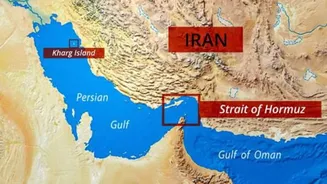
The soft, leavened flatbread, naan, a beloved accompaniment to countless Indian meals, actually has its origins in Persia, which is present-day Iran. It was introduced to the Indian subcontinent during the era of the Mughal Empire. The Mughals, with their rich culinary heritage, brought many new flavors and cooking techniques, including the art of tandoor baking for breads like naan. It quickly became an integral part of North Indian cooking, cherished for its pillowy texture and its ability to soak up rich gravies.
Rajma's Transatlantic Voyage
The humble kidney bean, or rajma, a key ingredient in many hearty North Indian dishes, embarked on a long journey to reach Indian shores. These legumes are native to Central and South America. They were introduced to India much later, through the endeavors of European traders who brought them from the Americas. Over time, rajma found a cherished place in North Indian kitchens, becoming a staple and a comforting part of family meals, celebrated for its robust flavor and nutritional value.
Biryani's Royal Roots
While the exact origins of Biryani are debated, many culinary historians point to its roots in Persia. The name itself is believed to derive from the Persian word 'biryan,' meaning 'fried' or 'roasted.' It's thought to have been brought to India by the Mughals, who were known for their elaborate feasts and sophisticated cuisine. Over centuries, it evolved, with different regions of India adding their unique regional spices and ingredients, leading to the diverse and beloved versions of Biryani we enjoy today across the subcontinent.