





Understanding Fatty Liver
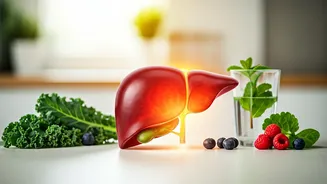
Fatty liver disease, particularly its non-alcoholic variant (NAFLD), occurs when excess fat accumulates within liver cells, signaling a deeper issue with how
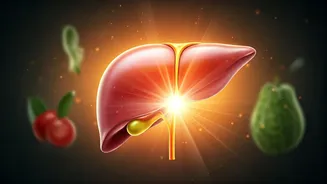
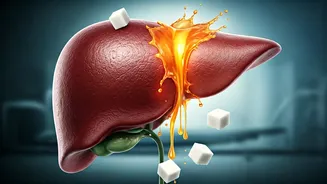
the body processes energy. This isn't merely about fat deposition; it's a critical indicator that your system is struggling with energy management. A key factor driving this condition is insulin resistance, where your body becomes less responsive to insulin, leading to elevated blood sugar levels. Consequently, the liver converts this surplus sugar into fat for storage. Over time, this accumulation can precipitate inflammation and, in some instances, irreversible damage to the organ. Recognizing fatty liver not just as a diagnosis but as a potent signal for habit recalibration is crucial, offering an opportunity to reset routines before significant harm takes root. The liver's remarkable capacity for regeneration, given the right internal conditions, means it can mend itself without external pharmacological intervention, making this condition a pivotal moment for positive change.
Beyond Pills: Lifestyle is Key
Contrary to common assumptions, medication is rarely the first or most effective approach for early-stage fatty liver disease. The liver's state is not a deficit of pharmaceuticals but rather an overwhelming burden from daily habits. Factors like food choices, inactivity, chronic stress, and inadequate sleep directly impact its health. As experts emphasize, fatty liver is less about needing a prescription and more about understanding and addressing the underlying drivers. In most cases, especially with NAFLD, a complete reversal is highly attainable through dedicated lifestyle modifications. This perspective shifts the focus from merely treating symptoms to fundamentally correcting the imbalances that led to the condition, empowering individuals to take control of their liver's well-being.
Effective Diet for Healing
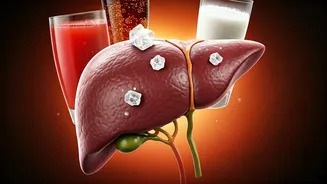
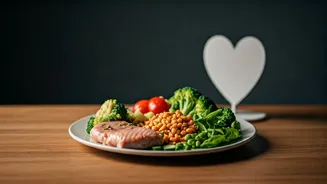
The liver is incredibly responsive to daily dietary intake. While perfection isn't necessary, consistency in healthy eating habits is paramount. Prioritizing nutrient-dense foods and minimizing processed items is essential. This involves a conscious effort to consume fewer processed foods, steer clear of sugary beverages, and manage carbohydrate intake effectively, while ensuring a higher intake of dietary fiber. A Mediterranean-style eating pattern is often recommended due to its practicality, balanced nature, and long-term sustainability. This dietary approach helps reduce inflammation and improve insulin sensitivity through its emphasis on whole grains over refined flours, abundant fresh fruits and vegetables, beneficial healthy fats from sources like nuts and olive oil, and lean proteins derived from fish and legumes. The most impactful changes involve cutting down on hidden sugars and ultra-processed food items.
Weight Loss: The Science
Numerous global studies consistently demonstrate that even modest weight reduction can significantly reverse fatty liver disease. Research indicates that shedding approximately 7-10% of one's body weight can lead to substantial reductions in liver fat, a decrease in inflammation, and even a reversal of early-stage scarring. This is not about adopting extreme or unsustainable dieting methods; rather, it's about implementing steady, achievable changes. The scientific evidence is clear: gradual and consistent weight loss is a powerful, non-pharmacological tool for liver health. This approach is recognized as a primary strategy for managing NAFLD, underscoring the body's innate ability to heal when supported by appropriate lifestyle adjustments.
The Power of Movement
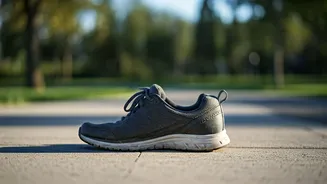
Regular physical activity, even at moderate intensity, is a crucial yet often overlooked component in reversing fatty liver. The liver benefits from consistent movement rather than sporadic, high-intensity efforts. Engaging in activities like a brisk 30-40 minute walk on most days of the week can lead to a noticeable reduction in liver fat over time. Exercise enhances the muscles' ability to utilize glucose, thereby lessening the metabolic load on the liver. The objective here is not to achieve peak athletic performance but to foster metabolic balance. Simple, consistent movement plays a vital role in improving insulin sensitivity and supporting the liver's natural detoxification and fat-processing functions.
Sleep and Stress Management
Beyond diet and exercise, the quality of your sleep and your ability to manage stress profoundly influence metabolic health and, consequently, liver function. Insufficient or poor-quality sleep can exacerbate insulin resistance, making it harder for your body to regulate blood sugar. Simultaneously, chronic stress elevates cortisol levels, a hormone that encourages the body to store more fat, including in the liver. Addressing these lifestyle factors is therefore integral to reversing fatty liver. Creating a supportive environment for restful sleep and employing effective stress-reduction techniques are as vital as dietary changes and physical activity for comprehensive liver healing and overall well-being.
Patience for Reversal
The journey to reversing fatty liver disease is typically a gradual one, characterized by quiet, steady progress rather than overnight transformations. This slow pace can sometimes lead to frustration, as visible improvements may not be apparent on a day-to-day basis. However, medical professionals assure that the liver is diligently repairing itself. Follow-up scans often reveal remarkable reversals over time, demonstrating the efficacy of sustained lifestyle changes. Patience is therefore an indispensable element of the treatment process. Understanding that the liver heals internally, without immediate external signs, is key to maintaining motivation and commitment to the necessary long-term habit adjustments. This underscores that reversal is achievable, but it requires consistent effort and a healthy dose of patience.