





What is CPB?
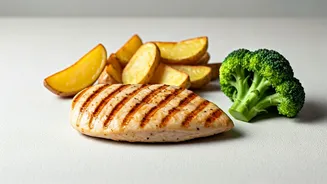
The CPB diet, an acronym for Chicken, Potatoes, and Broccoli, has rapidly gained traction across social media platforms for its purported ability to deliver
substantial fat loss results with remarkable simplicity. At its heart, this dietary approach is about extreme restriction, focusing solely on these three core food items, often supplemented with a minimal amount of olive oil and limited beverage choices like water, black coffee, or tea. The intention is to naturally create a calorie deficit without the need for meticulous calorie counting or complex meal planning. This minimalist strategy aims to reduce cravings and the pervasive mental preoccupation with food, often referred to as 'food noise,' by removing highly palatable, processed options and establishing a predictable eating pattern. While many initially dismiss it as a novelty or a 'boring' way to eat, the anecdotal evidence of significant weight reduction, sometimes ranging from 5 to 14 pounds within a single month, alongside a decrease in body fat and an increase in mental clarity, has captured the attention of many seeking effective, albeit unconventional, weight loss solutions.
Why the Fuss?
The viral success of the CPB diet can be attributed to a confluence of factors, primarily its radical simplicity and the compelling anecdotal results shared online. Platforms like Instagram and TikTok have become flooded with content showcasing the daily meals of CPB adherents, featuring before-and-after transformations, meal prep rituals, and candid discussions about the inherent monotony of the diet. Despite its perceived dullness, the reported outcomes—significant weight loss, reduced body fat, and enhanced mental focus—have been the main draw. Users are drawn to the absence of complex calorie tracking, intricate recipes, or guesswork, making it an accessible option for many. Personal testimonies highlight tangible benefits beyond mere weight numbers; for instance, one user noted a significant reduction in 'food noise' and an improvement in energy levels and mental clarity, accompanied by a drop in body fat from 19% to 15%. The shared experiences create a sense of community and validation, encouraging others to embark on their own CPB journeys, further fueling its widespread adoption and discussion within fitness-focused online communities.
Dietary Mechanics Explained
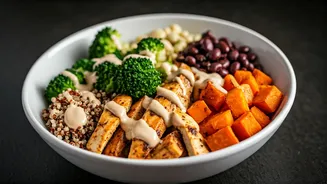
The fundamental principle behind the CPB diet is its minimalist composition, designed to foster a calorie deficit through dietary restriction rather than precise quantification. The core components consist of virtually unlimited chicken breast (with tofu offered as a vegetarian alternative), potatoes serving as the primary carbohydrate source, and broccoli and carrots representing the main vegetable intake. Crucially, the inclusion of healthy fats is limited to a single tablespoon of olive oil per meal. Beverages are restricted to water, unsweetened black coffee, and tea, strictly excluding sugary drinks and artificial sweeteners. The rationale underpinning this structure is rooted in established nutritional concepts: high protein and high fiber content promote satiety, helping individuals feel fuller for longer. Potatoes, often unfairly maligned, provide a satiating carbohydrate source, while broccoli and carrots contribute volume and nutrients with minimal calories. This combination aims to curb appetite and reduce overall food consumption naturally, making adherence easier by minimizing the feeling of deprivation often associated with dieting. The focus is on functional, nutrient-dense foods to support physiological needs without the indulgence associated with more varied diets.
The Science of Success
The rapid results observed on the CPB diet, while seemingly remarkable, are grounded in fundamental principles of high-protein, low-calorie, high-volume eating. This dietary approach strategically employs foods that promote prolonged satiety, effectively minimizing hunger pangs and reducing the likelihood of impulsive snacking on less healthy options. By eliminating hyper-palatable processed foods, the diet naturally diminishes cravings, steering individuals away from the constant urge to consume calorie-dense treats. Furthermore, the predictable nature of the meals simplifies decision-making around food, thereby reducing opportunities for overeating. Psychologically, many participants report a significant reduction in 'food noise' – the persistent mental chatter about what and when to eat – due to the repetitive and uncomplicated meal structure. This dietary reset can also lead to a behavioral shift, breaking patterns of sugar-laden, ultra-processed eating habits, which in turn can contribute to improved energy levels and clearer skin. The diet essentially acts as a reset button, forcing a departure from typical eating behaviors that may hinder weight loss efforts.
The 30-Day 'Flex' Approach
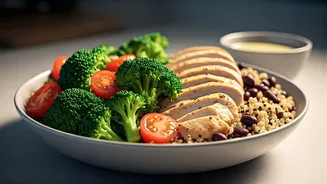
Recognizing the inherent challenge of long-term adherence to such a restrictive regimen, a structured 30-day 'Flex' variation of the CPB diet has emerged. This modified approach aims to introduce variety gradually, making the diet more sustainable. The initial week typically adheres strictly to the base foods: chicken, potatoes, and broccoli. As the diet progresses into the second week, the introduction of one new item per food category begins, such as incorporating lean beef or spinach. By the third week, fruits, nuts, and other diverse food items are allowed, further expanding the dietary repertoire. The underlying philosophy is to utilize the first week as an intensive reset period, followed by a phased reintroduction of varied foods to cultivate more realistic and potentially long-lasting eating habits. This phased approach is often complemented by balanced macronutrient distribution on the plate—typically a quarter dedicated to protein and fats, another quarter to carbohydrates, and half to vegetables—and frequently paired with regular strength training and daily physical activity to optimize results and overall health.
Scientific Perspective & Risks
While the CPB diet has demonstrated popularity and anecdotal success, it's important to frame it within a scientific context. It can be categorized as a 'fad diet with logic,' incorporating established nutritional principles but applying them in a highly restrictive manner. It is crucial to note that no large-scale scientific studies specifically validate the CPB diet's efficacy or long-term benefits. The current evidence relies heavily on individual testimonials and small-scale experiments. Experts caution that such extreme restriction can lead to potential downsides. These may include nutrient deficiencies due to the lack of dietary variety, potentially insufficient fat intake which could impact hormonal balance over time, and digestive issues such as bloating or constipation. Furthermore, rapid weight loss can carry its own risks, including fatigue and electrolyte imbalances. The inherent monotony of the diet also presents a significant challenge; highly restrictive eating patterns are often associated with rebound eating once normal food consumption resumes, potentially negating initial progress and leading to unsustainable weight management.