






Orange Alert Defined
The ‘orange’ alert is currently in effect for the districts of Uttarkashi, Chamoli, and Rudraprayag in Uttarakhand. This alert level specifically denotes
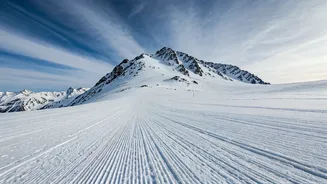
deep and unstable snow cover across the region. The presence of this unstable snow cover significantly elevates the probability of natural avalanches occurring. Moreover, the alert signifies a high likelihood that these avalanches could potentially reach the valley floors. Authorities are closely monitoring the situation, and residents are advised to remain vigilant and take necessary precautions. This alert serves as a crucial warning, indicating the elevated danger posed by the prevailing weather and snow conditions in these high-altitude areas. The safety of the population is the primary concern, prompting the issuance of this detailed advisory.
Risks of Avalanches
Avalanches pose serious risks, particularly in mountainous regions like Uttarakhand. The combination of unstable snow cover, steep slopes, and changing weather conditions can trigger these events. Avalanches can occur rapidly and with devastating force, posing a threat to human lives and infrastructure. The impact of an avalanche can be far-reaching, potentially blocking roads, damaging buildings, and isolating communities. The presence of unstable snow necessitates heightened caution. It is crucial for people in affected areas to adhere to safety guidelines and heed the warnings issued by local authorities. The potential for avalanches demands immediate attention and preventive measures to minimize the risk and ensure the safety of the populace.
Affected Regions
The 'orange' alert specifically targets three districts within Uttarakhand: Uttarkashi, Chamoli, and Rudraprayag. These districts are known for their high-altitude terrain and significant snowfall, increasing their vulnerability to avalanches. Residents and visitors in these areas should exercise extreme caution and stay informed about the latest advisories. The geographical characteristics of these districts contribute to the potential for avalanches, making them particularly susceptible during periods of heavy snowfall and unstable snow cover. Authorities are focused on these critical areas, implementing measures to manage risk and communicate critical information to the public. Understanding the specific locations under alert is essential to implementing safety protocols.
Safety Precautions Advised
To safeguard against avalanche risks, several precautions are recommended. It's imperative to stay informed about weather forecasts and avalanche warnings issued by authorities. When in areas with avalanche risk, individuals should avoid traveling in areas where avalanches are more likely, such as steep slopes and areas with deep snow accumulation. It's also crucial to have appropriate safety gear like avalanche transceivers, shovels, and probes if venturing into areas with potential hazards. Local authorities typically provide specific guidelines and advice, and it is vital to follow these recommendations. Evacuation plans should be in place where applicable, and people should know the emergency contact numbers. Prioritizing safety through awareness, appropriate gear, and following expert advice is the best defense in such risky situations.
Monitoring and Response
Authorities are actively monitoring the situation in the affected districts, utilizing various methods, including weather data analysis and on-site assessments. The early warning systems are employed to predict and issue warnings to potentially at-risk areas. If an avalanche occurs, immediate responses are critical, often involving search and rescue teams. Coordination between different agencies is vital to ensure efficient and effective responses. Updates and advisories are regularly communicated to the public, providing the latest information on conditions and safety measures. Furthermore, they continuously assess the situation, adjusting protocols as needed. This proactive approach underscores the commitment to minimize risk and protect the communities within these vulnerable regions.