






Tariff Adjustments & Market Entry
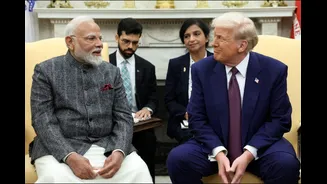
A cornerstone of this interim agreement involves a reciprocal adjustment of import duties, aiming to invigorate bilateral commerce. India has committed
to reducing or entirely eliminating tariffs on a broad spectrum of industrial products originating from the United States. This includes significant concessions on various U.S. food and agricultural items such as dried distillers grains, red sorghum, tree nuts, fruits, soybean oil, wine, and spirits. In return, the U.S. will generally apply an 18% reciprocal tariff rate on Indian goods. However, under this pact, the U.S. has agreed to waive this reciprocal tariff for specific Indian exports, notably generic pharmaceuticals, precious gems, diamonds, and aircraft parts. Furthermore, the U.S. will lift previously imposed tariffs on Indian aircraft and associated components, which had been enacted under national security considerations, specifically affecting aluminum, steel, and copper. This move aims to facilitate smoother trade flows in critical sectors like aviation and metals.
Significant Financial Commitment
A particularly noteworthy aspect of the newly established trade framework is India's substantial commitment to purchasing U.S. products. Over the next five years, India has indicated its intention to acquire approximately $500 billion worth of goods from American businesses. This considerable pledge is strategically directed towards key sectors vital for India's development and energy needs. Specifically, the purchases will encompass energy products, aircraft and their component parts, precious metals, advanced technology goods, and coking coal. This significant financial undertaking is designed to bolster U.S. exports while simultaneously securing essential resources and advanced technologies for India's growing economy, fostering a mutually beneficial economic relationship.
Tech Trade and Supply Chain Security
The agreement places a strong emphasis on advancing technological trade and fortifying the security of supply chains between India and the United States. Both nations have mutually agreed to substantially increase their trade in technology-centric products, with a specific mention of Graphics Processing Units (GPUs) and data center equipment. Beyond direct trade, the pact underscores a commitment to enhancing economic security, partly by addressing "non-market policies of third parties," a diplomatic phrasing often used to counter the influence of geopolitical rivals. Additionally, there will be increased cooperation concerning inbound and outbound investment reviews and the implementation of export controls, aiming to create a more stable and secure economic environment for both countries.
Removing Trade Obstacles
Addressing non-tariff barriers (NTBs) is a critical component of this interim trade deal, with India making specific commitments to streamline trade processes. For the medical device sector, India has agreed to resolve long-standing issues that have previously hindered U.S. exports. Furthermore, restrictive import licensing requirements that have impacted U.S. Information and Communication Technology (ICT) goods will be eliminated. A significant step towards facilitating market access involves India's commitment to evaluate within six months whether U.S. and international standards are acceptable for U.S. exports entering the Indian market. This will simplify testing and certification procedures, making it easier for American companies to bring their products to Indian consumers.
Effective Date and Market Reach
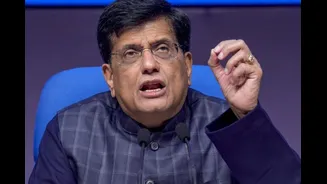
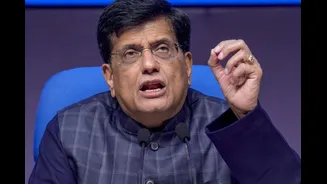
The revised tariff structure agreed upon in this interim trade pact is set to be implemented promptly. The White House has confirmed that the new 18% tariff rate for Indian goods, as stipulated in the agreement, will officially come into effect on Saturday, February 7, 2026. This immediate implementation signifies the urgency and commitment both nations have towards fostering increased trade. Concurrently, India's Commerce and Industry Minister highlighted the immense market opportunity this pact unlocks for Indian exporters, estimating it to open access to a $30 trillion market. This is particularly beneficial for Micro, Small, and Medium Enterprises (MSMEs), farmers, and fishermen, as U.S. duties on Indian products are slated to decrease significantly from their previous levels, paving the way for enhanced export volumes.
Sectoral Benefits and Protections
This trade agreement offers tangible export advantages for India across several key sectors. Indian exporters will benefit from exemptions under Section 232 for aircraft parts, a tariff rate quota on auto components, and negotiated outcomes for generic pharmaceuticals. These provisions are expected to lead to substantial export growth in these areas. Simultaneously, the agreement reflects India's dedication to safeguarding its agricultural and rural economy. Sensitive agricultural products, including maize, wheat, rice, soybeans, poultry, milk, cheese, ethanol (fuel), tobacco, certain vegetables, and meat, remain entirely protected, ensuring the sustenance of farmers' interests and rural livelihoods. This balanced approach ensures that while trade is expanded, domestic agricultural stability is maintained.
Path to a Formal Accord
The interim trade framework announced is a crucial step towards a more comprehensive and legally binding agreement. Negotiations for the initial phase of a Bilateral Trade Agreement (BTA) commenced earlier in the year, and this interim pact serves as a precursor. The expectation is that this framework will be formally converted into a full legal agreement, with a signing anticipated by mid-March. Following the finalization of this pact, India will commence the process of reducing duties on the specified American goods as outlined in the agreement, further solidifying the trade relationship.
Expanded Agricultural Access
A significant outcome of this trade negotiation is the enhanced access granted to American farmers and producers into the Indian market. The U.S. Trade Representative (USTR) has emphasized that this deal broadens opportunities for U.S. agricultural enterprises within one of the world's most significant economies. India's commitments include the elimination or reduction of tariffs on all U.S. industrial goods and a wide array of agricultural products. Furthermore, India has pledged to address longstanding non-tariff barriers to trade, increase its procurement of American goods and services, and commit to purchasing over $500 billion worth of U.S. products, as noted by the USTR.
Future Trade Roadmap
Beyond the immediate tariff adjustments and market access provisions, this agreement lays the groundwork for a more integrated and robust future trade relationship. Both nations are committed to establishing a clear pathway for developing comprehensive digital trade rules within the broader, overarching trade agreement. The pact also includes important flexibility clauses, allowing either country to modify its commitments should the other unilaterally change its agreed-upon tariffs. The ultimate and overarching objective guiding these interim measures is the eventual conclusion of a comprehensive and mutually beneficial trade deal agreement that solidifies the economic partnership between India and the United States for years to come.