
Tourism's New Boost
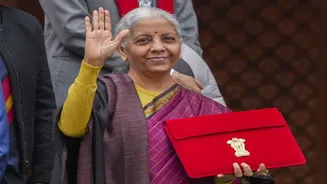
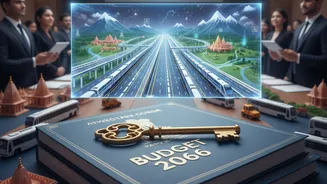
Budget 2026 revealed significant steps to invigorate India's tourism sector. The government sees tourism as crucial for job creation, foreign exchange
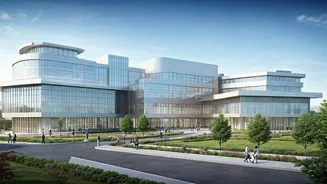
earnings, and local economic growth. The finance minister proposed establishing a National Institute of Hospitality by upgrading the existing National Council for Hotel Management and Catering Technology. This institute aims to bridge the gap between academia, industry, and the government. These measures reflect the government's commitment to leveraging tourism for broader economic development and employment opportunities. Furthermore, the budget included plans to support states in establishing five hubs for medical value tourism in collaboration with the private sector. These hubs are envisioned as integrated healthcare complexes that will offer medical, educational, and research facilities, thereby attracting medical tourists and creating jobs for healthcare professionals.
Heritage Site Revamp
A major initiative in Budget 2026 involves developing 15 archaeological sites into experiential cultural destinations. Key sites include Lothal, Dholavira, Rakhigarhi, Sarnath, Adichanallur, Hastinapur, and Leh Palace. The plan includes opening excavated landscapes to the public with curated walkways and utilizing immersive storytelling technologies. These technologies will support conservation labs, interpretation centres, and trained guides, enhancing the visitor experience and promoting cultural heritage. This investment in heritage sites is expected to attract tourists and boost the local economy. The government aims to transform these historical locations into vibrant hubs that provide visitors with a rich and engaging cultural experience. This approach combines historical preservation with modern storytelling techniques to create memorable visits.
Boosting Medical Tourism
Medical tourism received a significant boost with schemes proposed to support states in establishing five hubs for medical value tourism. These hubs will be set up in partnership with the private sector. They will house AYUSH centres, facilitation services, and infrastructure for diagnostics, post-care, and rehabilitation. This initiative is expected to attract medical tourists and create employment opportunities for doctors and allied health professionals. The government’s focus on medical tourism reflects its strategy to provide high-quality healthcare services and promote India as a global healthcare destination. By integrating medical, educational, and research facilities, these hubs are designed to offer comprehensive healthcare solutions and attract a wider range of medical tourists, thereby boosting the economy.
Digital Mapping Initiatives
On the digital front, the budget proposed a National Destination Digital Knowledge Grid to digitally document all significant locations across India. This initiative aims to provide detailed digital information about key locations, enhancing the tourist experience and facilitating better planning. The digital grid will serve as a comprehensive resource for both tourists and industry stakeholders. This digital initiative complements the other tourism-focused proposals by improving access to information and promoting better-informed travel decisions. The integration of digital technologies in tourism is designed to create a more efficient, accessible, and engaging experience for visitors, aligning with global trends in the industry.
Skill Development Programs
To address skill gaps in the tourism sector, Budget 2026 announced a pilot scheme to upskill 10,000 tourist guides across 20 iconic sites. The training program will be standardized, high-quality, and delivered over 12 weeks in a hybrid mode. This will be done in collaboration with an Indian Institute of Management. This initiative aims to improve the quality of services and enhance the overall tourist experience. By investing in training and upskilling, the government seeks to equip tourist guides with the knowledge and skills needed to effectively promote India's cultural heritage. The goal is to provide tourists with well-informed and engaging experiences, contributing to the sector's growth and generating employment opportunities.
Infrastructure Developments
The Budget also linked tourism to regional development, with plans to develop an integrated East Coast Industrial Corridor, which will include a well-connected node at Durgapur. The creation of five tourist destinations across the five Purvodaya states was also proposed, alongside the provision of 4,000 e-buses. These initiatives are designed to improve connectivity, boost regional economies, and promote sustainable tourism practices. The investment in infrastructure aims to create more accessible and attractive destinations for tourists, supporting the overall growth of the tourism sector. By enhancing regional connectivity and promoting sustainable transportation, the government intends to foster inclusive and environmentally friendly tourism.
Focus on Northeastern States
A significant focus of Budget 2026 is the development of Buddhist circuits across the northeastern states, including Arunachal Pradesh, Sikkim, Assam, Manipur, Mizoram, and Tripura. This initiative aims to showcase the region's cultural and historical significance. The plan includes opening excavated landscapes to the public with curated walkways. Immersive storytelling technologies will support conservation labs, interpretation centres, and trained guides. These efforts are expected to boost tourism in the Northeast and highlight the region's rich cultural heritage. By promoting these circuits, the government intends to create new tourist destinations and contribute to regional development. This approach combines cultural preservation with modern interpretation, providing a rich experience for visitors.