




Integrating Nature Indoors
When venturing outside isn't feasible due to weather, illness, or a demanding schedule, the principles of ancient practices like Feng Shui offer a pathway
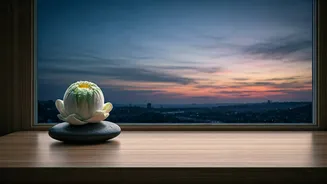
to bring nature's restorative essence into your living space. By consciously incorporating natural elements, you can profoundly shape your internal state and emotional well-being. Introducing live plants, symbolic of growth and vitality, can significantly mitigate stress, sharpen focus, and purify the air. Harnessing natural light, considered a potent source of positive energy, by opening blinds and positioning yourself near windows, allows morning light to set a calm tone for the day. Grounding elements like stones and crystals, representing stability and an enduring connection to the earth, can be placed strategically to offer a tactile sense of peace and steadiness. Furthermore, the gentle presence of moving water in features like small fountains or aquariums, mimicking the soothing sounds often used in meditation, can foster a sense of flow, abundance, and profound calm, directly impacting your nervous system.
Building Nature Communities
The inherent generosity of nature is amplified when shared with others, fostering a more profound and widespread sense of connection. Engaging in 'nature circles,' small, consistent groups that meet outdoors for shared walks, contemplative sessions, or themed events like full moon gatherings, creates a supportive communal experience. Even simpler are 'group walks,' which can range from scheduled outings with a single friend to silent, mindful strolls with like-minded individuals or casual sunrise ambles with neighbors. For those inclined towards deeper environmental engagement, 'land stewardship' offers a way to actively protect and care for natural spaces, through volunteering at local parks, participating in community gardens, or joining river cleanup initiatives. If such organized groups are unavailable locally, the initiative is entirely in your hands; a simple text to a friend can spark a shared riverbank cleanup or establish a weekly evening walk ritual, demonstrating that community-building in nature can be as flexible and personal as you desire.
Deepening Daily Practice
Transitioning from occasional nature encounters to a sustained, meaningful relationship requires a shift in perspective, viewing nature not as a task to be completed but as a connection to be nurtured. To make this practice stick, simplify your approach. Consider focusing on one specific natural element, such as a singular tree, the phases of the moon, or a particular bird species, observing its changes throughout the year; this focused attention can fundamentally alter your perception. Resist the urge to document every experience; leave your phone behind, allowing for unfiltered immersion without the pressure of external validation. Embrace interruptions: a fleeting glimpse of beauty, a striking sky – pause for even a few seconds to acknowledge these moments. Learning the names of local flora and fauna adds a layer of depth and personal recognition to your surroundings. Even a simple greeting – a nod to a familiar tree or a quiet acknowledgment of the moon – can foster a profound sense of connection, proving that consistent integration into your existing routine is key.
Urban & Climate Adaptations
Living in urban environments, enduring harsh climates, or facing physical limitations need not be barriers to developing a rich relationship with nature. The key lies in adapting your approach to suit your circumstances. Focus your connection on one small, accessible aspect of nature, perhaps a single tree encountered daily or a modest patch of green space; developing a deep appreciation for this one element can be incredibly rewarding. When faced with adverse weather, let the elements themselves become your practice: observe the patterns of rain on your window, listen to the wind’s passage, or notice how changing light filters through your home. Urban settings offer surprising opportunities: cemeteries can be quiet havens of trees and birds, rooftop gardens provide elevated natural escapes, and riverside paths offer accessible green corridors. Even the resilience of weeds pushing through pavement serves as a powerful reminder of nature's persistent presence, demonstrating that finding connection is always possible with mindful observation.