



Mint's Aggressive Nature
Many seasoned gardeners express a strong caution against incorporating mint into their regular garden plots. The primary concern revolves around mint's
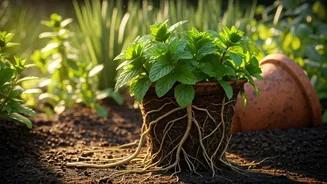
exceptionally aggressive and invasive growth pattern. Once established, its extensive root system and rapid spread make it incredibly challenging to eradicate. This unchecked proliferation can lead to mint overpowering and crowding out neighboring plants, a phenomenon explained by Anna Hackman, a farmer and managing member at The Naked Botanical. She highlights that this intense competition for resources means other plants may suffer from insufficient access to vital elements like water, nutrient-rich soil, and even adequate sunlight, ultimately hindering their growth and survival. Edwin Dysinger, co-founder of Seedtime, echoes this sentiment, emphasizing that the difficulty in controlling mint once it takes hold is the core reason for the widespread advice against planting it directly in the main garden area.
Container and Bed Solutions
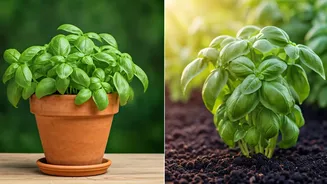
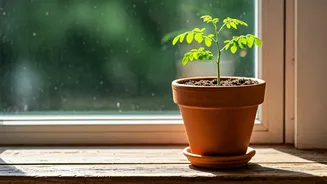
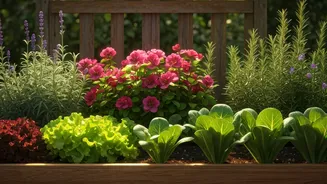
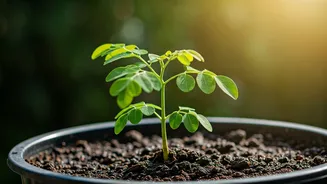
For those who still wish to cultivate mint despite its invasive tendencies, several strategic approaches can mitigate the risks. Anna Hackman, a proponent of careful cultivation, employs dedicated beds specifically for her mint varieties. Within these designated areas, she ensures each type of mint is isolated from the others. This separation prevents one cultivar from encroaching upon and suppressing another, maintaining a more orderly growth. Furthermore, Hackman suggests that the most effective method for containing mint's relentless spread is to grow it exclusively in containers, crucially advising against burying these pots directly into the garden soil. She learned this lesson firsthand, noting how mint managed to escape a container that was partially submerged, demonstrating its persistent drive to spread. To prevent mint from becoming too dense within its pot, she also recommends periodically thinning it out to avoid self-strangulation.
Less Invasive Alternatives
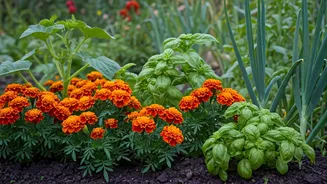
If you are drawn to the characteristic aroma and appearance of mint but prefer to avoid the challenges associated with its cultivation, there are several excellent, less invasive alternatives available. Anna Hackman recommends exploring mountain mint and lemon balm as worthy substitutes. Lemon balm, while it may self-seed, is generally manageable; you can prevent excessive spread by harvesting it before it flowers. This herb typically remains confined to its original planting area and doesn't reach an unmanageable size. Mountain mint, on the other hand, is highly beneficial for attracting pollinators, particularly bees, but it tends to grow larger, with some varieties reaching up to 40 inches in height. Hackman points out that a diverse range of mountain mint cultivars exists, allowing gardeners to select a variety that best suits their specific needs and garden space, offering a similar aromatic appeal without the aggressive propagation of common mint.