







Smart Home Integration
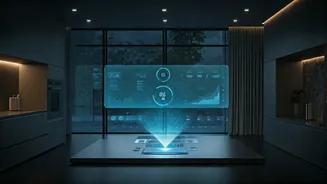
The advent of smart home technology has redefined convenience and control within our living spaces. Today, homeowners can manage various aspects of their
homes, from lighting and temperature to security systems, using smartphones or voice commands. Smart assistants, such as Google Home and Amazon Echo, are at the core of this integration, allowing for seamless operation. Smart thermostats learn user preferences and automatically adjust to optimize energy efficiency. Smart locks offer keyless entry, enhancing security while integrating with other smart home devices to create a more connected and responsive home environment. The ability to monitor and control appliances remotely offers significant flexibility, particularly for those with busy lifestyles. Lighting systems have evolved too; smart bulbs enable customizable lighting scenes and automation based on time of day or user presence, adding an extra layer of personalization and comfort.
Ergonomic Standing Desks
Standing desks are revolutionizing the workplace, offering an ergonomic solution to the sedentary nature of modern office environments. Unlike traditional desks, standing desks promote better posture and may alleviate back pain and other physical discomforts associated with prolonged sitting. These adjustable desks allow users to alternate between sitting and standing throughout the workday, enhancing blood flow and potentially improving focus and productivity. Many standing desks integrate advanced features like memory settings to save preferred heights, facilitating seamless transitions. The integration of standing desks into office spaces signifies a shift towards prioritizing employee well-being and acknowledging the benefits of active work postures, promoting a healthier work experience.
Wireless Charging Technology
Wireless charging has steadily moved from futuristic concept to ubiquitous everyday technology. Devices such as smartphones, smartwatches, and other portable gadgets can now be charged by placing them on a charging pad, eliminating the need for cumbersome cables. The technology utilizes inductive charging, wherein a charging base transmits power to a receiver in the device. This convenient, cable-free method has gained widespread acceptance and integration across various product categories. Wireless charging enhances the ease of use and promotes a tidier environment. As technology evolves, we see faster charging speeds and more versatile compatibility, making it a critical component of the modern digital lifestyle and leading towards the possibility of wireless charging across larger distances in the near future.
Advanced Fitness Trackers
Fitness trackers have become indispensable tools for monitoring health and fitness metrics. Modern fitness trackers go beyond simple step-counting, offering features such as heart rate monitoring, sleep analysis, and activity tracking. They provide users with detailed insights into their physical activity levels, helping them set and achieve fitness goals. Many trackers also integrate with smartphone apps, allowing users to track progress, compete with friends, and receive personalized recommendations. The rise of fitness trackers reflects a growing interest in self-monitoring and preventative health measures. With continuous advancements in sensor technology and data analytics, fitness trackers are evolving to provide even more accurate and insightful health data, aiding users in making informed decisions about their well-being.
Virtual Reality Headsets
Virtual reality (VR) headsets have stepped out of the realm of gaming and entertainment to become useful in various fields, from education to healthcare. These devices immerse users in computer-generated environments, creating interactive and engaging experiences. VR headsets allow for immersive gaming, interactive training simulations, and even therapeutic applications. In education, VR can transport students to distant locations or recreate historical events, enriching the learning process. In healthcare, VR can be used to treat phobias, manage pain, and train surgeons. Though earlier iterations were expensive and complex, improvements in design, affordability, and content availability have made VR technology more accessible. The ongoing development of VR indicates a trend towards richer, more interactive digital experiences, transforming the ways we perceive and interact with our world.
3D Printing Revolution
3D printing, also known as additive manufacturing, is changing the landscape of manufacturing and design. This technology builds three-dimensional objects layer by layer from digital designs, enabling the creation of complex shapes and customized products. 3D printing is widely used in prototyping, allowing designers and engineers to create physical models quickly and cost-effectively. It is also used in manufacturing customized components, medical implants, and even food. The cost-effectiveness of 3D printing in producing small batches and customized parts has disrupted traditional manufacturing processes. As the technology continues to advance, we see faster print speeds, wider material selections, and more accessible software, expanding its potential uses across industries and enabling widespread innovation and personalized manufacturing.
Electric Vehicles Surge
Electric vehicles (EVs) are quickly gaining popularity as sustainable transportation solutions, with significant improvements in battery technology and charging infrastructure. These vehicles run entirely on electricity, producing zero tailpipe emissions, which helps to improve air quality and reduce greenhouse gas emissions. The range and performance of EVs have dramatically improved, making them viable options for a broader range of consumers. Charging infrastructure has expanded, but more is needed, and innovative solutions, such as wireless charging and rapid charging stations, are continually being developed. Government incentives and decreasing battery costs are making electric vehicles increasingly affordable. The growing presence of EVs represents a monumental shift towards sustainable transportation and a reduced dependence on fossil fuels, contributing to a cleaner, more environmentally-conscious future.
Smart Appliances Evolve
Smart appliances are transforming the kitchen and household, offering convenience, efficiency, and advanced functionality. These appliances connect to the internet, allowing remote control and monitoring via smartphones. Refrigerators can display contents and suggest recipes, while ovens can be preheated remotely, and washing machines can be managed from anywhere. Smart appliances often feature energy-saving modes and provide real-time performance data, helping users manage their energy consumption effectively. Integration with smart home ecosystems enables voice control and automated operations, streamlining daily tasks. The ongoing development of smart appliances signifies a move towards homes that are more adaptive, efficient, and tailored to the needs of the individuals, offering greater comfort and control over domestic tasks.
Wearable Technology Advancements
Wearable technology encompasses a variety of devices, including smartwatches, smart glasses, and fitness trackers. These devices are worn on the body and offer various functionalities, from health monitoring to communication and information access. Smartwatches provide notifications, track fitness metrics, and even allow for phone calls. Smart glasses can overlay information on the real world, providing augmented reality experiences. Fitness trackers have become more sophisticated, integrating advanced sensors to monitor heart rate, sleep patterns, and activity levels. These wearables integrate seamlessly with our daily lives, offering information and tools at our fingertips. As the technology evolves, we can anticipate more advanced sensors, better battery life, and richer integration, shaping the future of personal technology and how we interact with the digital world.
Biometric Authentication Gains
Biometric authentication is rapidly replacing passwords and PINs as a primary method of securing devices and online accounts. Fingerprint scanners, facial recognition, and iris scanners offer more secure and convenient access solutions. Biometrics relies on unique biological traits, making them nearly impossible to replicate. Fingerprint scanners have become standard on smartphones and laptops. Facial recognition technology is used for unlocking devices and in security systems. Biometric authentication enhances security by eliminating the need to remember multiple passwords, which can be easily compromised. The widespread adoption of biometric technology shows a shift towards more secure and user-friendly methods of authentication, enhancing personal privacy and digital security across many platforms.
Advanced Drone Technology
Drones, or unmanned aerial vehicles (UAVs), have expanded from military applications to various civilian uses, from aerial photography to delivery services. Equipped with cameras, sensors, and GPS navigation systems, drones can capture stunning aerial footage, inspect infrastructure, and deliver packages. Drones are used in agriculture to monitor crops and in construction to survey sites. The development of drone technology continues, with advancements in battery life, flight stability, and autonomous navigation. Regulatory frameworks for drones are evolving to address privacy concerns and ensure safe operations. This technology has the potential to transform industries and offer new perspectives on our world, especially with advancements in autonomous flight capabilities, which will make them even more accessible and versatile.
Augmented Reality Experiences
Augmented reality (AR) technology overlays digital information onto the real world, creating immersive and interactive experiences. AR apps can be accessed through smartphones, tablets, and smart glasses. AR is used in retail to allow customers to virtually try on clothes or visualize furniture in their homes. In gaming, AR can transform real-world environments into interactive game boards. AR is used for navigation, providing directions overlaid on live camera feeds. The versatility of AR offers new ways to engage with the world. Development of AR is accelerating, with more robust software, improved hardware, and increased user adoption. This makes AR an important factor in the future of various industries, from entertainment to education, redefining how we experience the world and interact with information.
Artificial Intelligence Ubiquity
Artificial intelligence (AI) has become an integral part of our lives, powering everything from virtual assistants to recommendation systems. AI algorithms are used in search engines, social media platforms, and e-commerce websites. AI-powered chatbots provide customer service, and AI is used in healthcare for diagnosing diseases and personalizing treatment plans. AI-driven technologies are improving and will continue to transform processes and experiences across different sectors. As AI technology advances, its impact will only become more profound, driving innovation and shaping the way we live and work. Ethical considerations, data privacy, and algorithmic bias are crucial as AI becomes more prevalent, calling for thoughtful regulation and responsible development to ensure its benefits are accessible and equitably distributed.