

The Hidden Toll
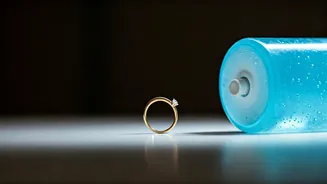
The widespread use of hand sanitiser, a critical tool in our post-pandemic lives, poses an often-overlooked threat to the integrity and appearance of our jewellery.
While designed to eliminate germs, the potent chemical cocktail within these products, typically containing 60-95% alcohol along with ingredients like hydrogen peroxide and glycerin, can cause significant harm. This repeated exposure doesn't just affect the surface lustre; it can progressively degrade the very structure of your rings. Experts highlight that the drying nature of alcohol, combined with other chemicals, can lead to a noticeable decline in both the aesthetic appeal and the physical resilience of precious metals and delicate gemstones. Understanding this insidious damage is the first step towards safeguarding your valuable adornments.
Metal and Gemstone Woes
Alcohol-based sanitisers can degrade metals like white gold and platinum, causing dullness and accelerated wear on rhodium plating. Porous gemstones such as pearls and opals are particularly vulnerable to drying and discolouration. Diamonds, while hard, can appear cloudy due to sanitiser residue buildup.
Securing Your Stones
Repeated sanitiser use can weaken the metal prongs and bezels that hold gemstones in place, increasing the risk of stones becoming loose and potentially being lost. This structural compromise is a serious concern for valuable or sentimental jewellery.
Smart Protection Strategies
To safeguard your jewellery, remove rings before applying sanitiser and store them safely. If contact occurs, rinse immediately with lukewarm water. Opt for sanitisers with lower alcohol content and moisturising ingredients. Regular professional cleaning and proper storage are also crucial.
Water Over Alcohol
When possible, washing hands with soap and water is a gentler alternative to hand sanitiser. This method effectively removes germs without the harsh chemicals that can degrade jewellery materials, offering a safer choice for both skin and adornments.