
Upma: The Classic
Upma stands out as a beloved breakfast in many Indian households. Prepared with semolina (suji or rava), this dish is wonderfully simple to prepare and highly
customizable. To create upma, semolina is dry-roasted to enhance its flavor, then cooked with water and seasonings. The seasonings typically include mustard seeds, urad dal, chana dal, onions, green chilies, and curry leaves, which are sautéed in oil to provide an aromatic base. This process infuses the dish with fragrant spices, offering a delightful sensory experience. Upma can also accommodate various vegetables, such as carrots, peas, and beans, enhancing both its nutritional value and visual appeal. This makes it an adaptable meal to start the day. Moreover, the ease of preparing upma makes it a popular breakfast choice, suitable for busy mornings when time is of the essence.
Idli and Sambar
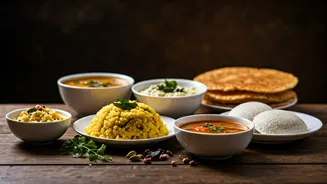
Idli and sambar, a quintessential South Indian breakfast, represent a delicious pairing of flavors and textures. Idli, soft and fluffy steamed rice cakes, provide a light and easily digestible base for the meal. Sambar, a lentil-based vegetable stew, adds a depth of flavor and nutritional value. The making of idli involves fermenting a batter of rice and urad dal (black lentils) overnight, which contributes to the lightness and slight tang of the idlis. This fermentation process also enhances the digestibility of the dish. Sambar is a complex combination of lentils, vegetables like drumsticks, pumpkin, and tomatoes, along with tamarind, and a blend of aromatic spices. The diversity of the vegetables and the use of spices in sambar provide a wide array of vitamins, minerals, and antioxidants, thereby boosting its health benefits. Together, they create a balanced and satisfying breakfast.
Dosa Varieties Galore
Dosas, a versatile South Indian breakfast item, come in various forms, each offering a unique experience. The basic dosa is a thin crepe made from a fermented batter of rice and lentils, similar to idli batter. This batter's fermentation provides the characteristic light and slightly tangy taste. Masala dosa, a popular variant, includes a filling of spiced potatoes. Paper dosas are extremely thin and crispy, while uttapam is a thicker, pancake-like version cooked with toppings like onions, tomatoes, and chilies. The versatility of dosas stems from the different batters used, ranging from plain rice and lentil combinations to the addition of spices or vegetables in the batter. The choice of accompaniments, such as sambar and various chutneys (coconut, tomato, mint), further elevates the dosa experience. Dosas are not just filling but also easily adaptable to suit different tastes and dietary needs.
Poha: Flattened Rice
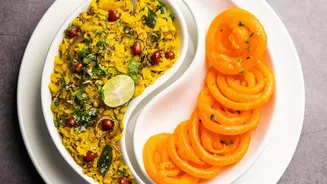
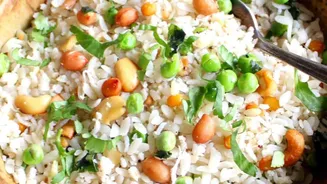
Poha, made from flattened rice, is a simple and quick breakfast option, particularly popular in Maharashtra. The flattened rice is first washed to soften it and then tempered with mustard seeds, onions, potatoes, green chilies, and turmeric. The cooking process is quick, usually completed within minutes, making it an excellent choice for busy mornings. Poha can be flavored with a squeeze of lemon juice, fresh coriander leaves, and sometimes even peanuts, adding extra layers of flavor and texture. This simple process transforms the flattened rice into a light, flavorful, and satisfying breakfast. Poha provides a good source of carbohydrates for energy and is often considered a healthy option because it's not deep-fried or overly processed. It's also easily customizable; different vegetables and spices can be added depending on your preference and available ingredients.
Paratha Perfection
Parathas, a staple in North Indian cuisine, are versatile, layered flatbreads perfect for breakfast. They can be plain or stuffed with various fillings. Aloo paratha, stuffed with spiced mashed potatoes, is a classic favorite. Gobi paratha, filled with cauliflower, and paneer paratha, with cottage cheese, are other popular choices. The dough for parathas is made from whole wheat flour, offering a good source of fiber. The parathas are typically cooked on a griddle with ghee or oil until golden brown and crispy. This cooking method adds a rich flavor and contributes to the satisfying texture of the parathas. Parathas are not only delicious but also highly customizable, allowing for a variety of fillings to suit different tastes and preferences. They are often served with yogurt, pickles, or a dollop of butter, creating a complete and fulfilling breakfast.
Aloo Puri: Fried Delight
Aloo puri, a beloved breakfast in many Indian homes, combines deep-fried puffed bread (puri) with a flavorful potato curry (aloo). Puri is made from unleavened whole wheat flour dough that puffs up beautifully when deep-fried. The aloo curry typically consists of boiled potatoes cooked with onions, tomatoes, and aromatic spices such as cumin, coriander, and turmeric. The combination of textures and flavors makes this breakfast incredibly appealing. The crispiness of the puri complements the soft potatoes and the rich gravy, making each bite delightful. Aloo puri is often served with a side of yogurt or raita, providing a refreshing counterpoint to the richness of the fried bread and curry. While it is a treat, it's best enjoyed in moderation because of the deep-frying involved.
Thepla: Gujarati Staple
Thepla is a flavorful flatbread, a Gujarati breakfast staple, often made with whole wheat flour, fenugreek leaves (methi), and spices. The addition of methi leaves adds a distinct flavor and nutritional value. The dough is mixed with spices like turmeric, chili powder, and ginger-garlic paste, providing a fragrant and savory taste. Thepla can be eaten plain or stuffed with various fillings. It's cooked on a griddle with a small amount of oil or ghee until lightly browned. This cooking method makes thepla soft and slightly chewy, making it a good choice for people who want something that is not too oily. Thepla is often served with yogurt, pickle, or chutney. It is a very good choice for breakfast or even to be taken while traveling since it stays fresh for longer than many other breads.
Misal Pav: Spicy Pleasure
Misal Pav, a spicy and flavorful breakfast from Maharashtra, is a delicious combination of sprouted lentils (misal) and bread rolls (pav). The misal is a curry made with sprouted moth beans, cooked with a blend of spices, onions, tomatoes, and a special spice paste (masala). This preparation provides a high-protein base for the dish. The dish is often topped with farsan (a mixture of crunchy fried snacks), chopped onions, coriander, and a squeeze of lime juice, adding different textures and flavors. It is very common to have the Misal Pav served with a piece of pav. The combination of textures and flavors makes Misal Pav a highly satisfying breakfast option, known for its spicy kick and savory taste. It's a breakfast that stimulates the taste buds, making it an excellent choice for those who enjoy a bit of heat in their morning meal.
Kesari: Sweet Start
Kesari is a sweet breakfast option, commonly known as kesari bath in South India, made with semolina (suji or rava), sugar, ghee, and flavored with saffron (kesar). The use of saffron gives the dish its beautiful color and rich aroma. Semolina is dry-roasted until fragrant, and then cooked with water, sugar, and ghee. The saffron strands are often steeped in warm milk or water to release their color and flavor, which is added to the mixture, enhancing both the taste and appearance of the dish. Kesari can include nuts such as cashews and raisins, offering a combination of textures and added flavor. The dish is not only delicious but also provides a quick energy boost, making it a wonderful way to start the day. It is often served hot, making it a comforting and delightful sweet treat for breakfast.
Appam with Stew
Appam, a South Indian pancake made from fermented rice batter, paired with a vegetable or chicken stew, provides a light yet filling breakfast. Appams are distinguished by their soft, spongy center and crispy, lacy edges, cooked in a special pan. The fermentation process creates a slightly tangy flavor and a unique texture. The stew, typically made with coconut milk, vegetables (such as potatoes, carrots, and beans), and spices, complements the appam. This combination of the soft, slightly sour appam with the rich and creamy stew offers a balanced flavor profile. The stew adds a depth of flavor and nutritional value to the meal, making it both satisfying and wholesome. It is a light yet filling option, ideal for those seeking a breakfast that is not too heavy but still packed with flavor and nutrition.