





Honey: More Than Sweetness
Ayurveda, the ancient Indian system of holistic healing, elevates honey from a mere sweetener to a 'functional food.' This distinction means honey actively
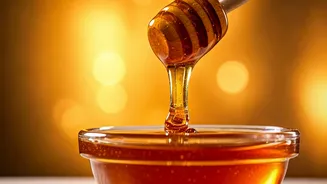
contributes to the body's well-being, working internally to promote balance. For over 5,000 years, it's been celebrated as a potent natural remedy. Its intrinsic properties are believed to harmonize bodily functions, significantly fortify the immune system, and aid digestion, making it a cornerstone of traditional formulations. Practitioners highlight its unique ability to enhance the efficacy of other herbs and spices it's combined with, acting as a powerful natural carrier to improve the absorption of medicinal benefits. This synergistic effect is why honey is a frequent companion to ingredients like ginger, turmeric, and tulsi in time-tested remedies, amplifying their therapeutic potential.
The Digestive Advantage
At the core of Ayurvedic health lies the digestive system; its optimal functioning is crucial for nutrient assimilation and waste elimination. Honey, when consumed judiciously, plays a vital role in supporting this fundamental process. Experts note that it aids digestion and helps in the effective clearance of metabolic waste products. Unlike refined sugars, which can burden the digestive system, honey is perceived as lighter and more readily processed by the body. Modern nutritional perspectives reinforce this, suggesting that while often labelled a 'healthier sugar,' the true distinction lies in its biological impact. Raw honey contains trace amounts of enzymes and antioxidants, and in small quantities, it tends to exert a gentler influence on blood sugar levels compared to processed sugars.
Boosting Immunity Seasonally
Ayurveda views immunity not as a separate entity but as an integral aspect of daily life, cultivated through consistent diet and routines. Honey is particularly recommended during periods of seasonal transition, a time when the body often becomes more susceptible to infections and respiratory discomfort. Its inherent qualities are thought to bolster the immune system and provide soothing relief for the throat, making it a common ingredient in home-based remedies. This makes it especially valuable for supporting respiratory health and overall immunity during fluctuating seasons. The age-old practice of mixing honey with warm water or herbal teas exemplifies its role as a comforting and protective element in household wellness practices.
Balancing Bodily Energies
To fully appreciate honey's role in Ayurveda, one must consider the concept of 'doshas' – Vata, Pitta, and Kapha – the fundamental energies that govern bodily functions. Maintaining the equilibrium of these doshas is paramount for overall well-being. Honey is considered especially beneficial for pacifying an aggravated Kapha dosha, which is often associated with feelings of heaviness, sluggishness, and congestion. Furthermore, its naturally light and dry characteristics can help counteract excess moisture within the body. For Vata and Pitta doshas, the key lies in moderation; while honey can still be beneficial, its quantity and the context of its consumption are critical, reflecting Ayurveda's personalized approach to health. A crucial Ayurvedic principle regarding honey is its consumption in its raw form; heating honey is strictly advised against, as it fundamentally alters its natural properties and diminishes its therapeutic benefits.