







From Rallies to Backyards
The tradition of outdoor cooking for gatherings in America predates Memorial Day itself, stretching back to the 19th century. Political rallies frequently
offered large, slow-roasted meats like pork, beef, and oxen, a practice influenced by early colonial methods of open-pit cooking. These communal feasts provided not just nourishment but also a sense of unity, a theme that carried through difficult times. Following World War II, the advent of accessible charcoal and portable grills democratized this style of cooking, enabling individuals to replicate these large-scale, open-air culinary experiences in their own homes. This shift from public spectacles to private backyard parties laid the groundwork for the modern Memorial Day cookout, transforming a day of remembrance into a celebration of community and shared meals.
The Iconic Hamburger
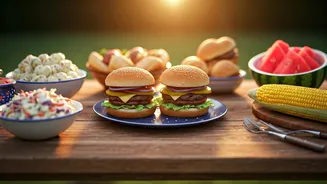
The hamburger, a staple of any American cookout, traces its lineage to the "hamburg steak," a minced beef dish introduced by German immigrants in the 19th century. Its evolution into the portable meal we know today was facilitated by two key innovations: the widespread availability of the meat grinder, which allowed for easily prepared patties, and the development of the soft, split bun, which made the dish convenient for eating on the go. During World War I, anti-German sentiment led to temporary name changes, with some establishments dubbing it "Liberty Steak." Despite these wartime shifts, the hamburger’s popularity endured, solidifying its status as a quintessential cookout food by the mid-20th century.
The Versatile Hot Dog
The hot dog's prominence on the Memorial Day menu stems from its inherent portability and ease of consumption, making it ideal for casual outdoor events. German immigrants brought frankfurters to the United States in the late 1800s, but it was the ingenious idea of serving them nestled within a soft bun that truly propelled their popularity. Charles Feltman, a vendor at Coney Island, is often credited with popularizing this format in the 1870s, transforming the sausage into an accessible, budget-friendly snack for beachgoers. This convenient hand-held meal quickly spread from boardwalks and baseball stadiums to backyard barbecues, becoming inextricably linked with the American outdoor dining experience.
Rich BBQ Ribs
The rich, smoky flavor of barbecue ribs is deeply connected to the culinary artistry of African Americans, particularly the traditions developed in the South. Enslaved cooks honed techniques for tenderizing and flavoring tougher cuts of meat by slow-smoking them over wood-fired pits. Over generations, these foundational methods evolved into the distinct regional barbecue styles celebrated today in places like Texas, Memphis, and Kansas City. Barbecue also served a crucial practical purpose: its low-and-slow cooking method over an open fire was perfectly suited for preparing large quantities of food to feed many people at once. By the time Memorial Day cookouts became a widespread tradition, ribs had already secured their place as a star of the barbecue spread.
Wartime SPAM's Journey
SPAM, a canned pork product introduced by Hormel in 1937, boasts a unique journey to the Memorial Day cookout table. It became an essential ration for American soldiers during World War II, with over 100 million pounds shipped overseas to sustain troops. Back home, meat rationing made fresh alternatives scarce, positioning SPAM as an affordable and shelf-stable protein source for families. Following the war, it remained a common pantry item and gradually found its way into casual cooking, prepared in various ways—sliced, skewered, fried, or grilled—becoming a convenient, no-fuss component of backyard gatherings.
Corn on the Cob's Roots
Sweet corn on the cob, a quintessential symbol of summer, has ancient origins in the Americas. Indigenous communities cultivated maize for millennia before European arrival, with sweet varieties becoming particularly prized for their seasonal peak in late spring and summer. This natural alignment with warmer months helped it become a beloved outdoor cooking staple. Whether roasted directly over flames or boiled and finished with a touch of butter and salt, corn on the cob's simplicity and natural sweetness make it an enduring and universally enjoyed element of summer cookouts.
Practical Pork and Beans
Pork and beans emerged as a practical and popular side dish for barbecued meats due to its convenience and affordability. The rise of commercially canned foods in the late 19th and early 20th centuries made dishes like Boston baked beans a highly efficient way to feed large groups. Their shelf-stable nature and portability made them a staple in military rations, a characteristic that easily translated to domestic settings. Home cooks appreciated that this side dish could be prepared in advance, hold well at gatherings, and complement a variety of grilled main courses without requiring last-minute attention.
Potato Salad's Evolution
The creamy potato salad commonly found at cookouts underwent a significant transformation to reach its modern form. Initially, German immigrants introduced a warm dish featuring boiled potatoes dressed with a zesty mixture of vinegar, oil, and bacon fat. As culinary preferences evolved across America, the dish adapted. By the early 20th century, with the widespread availability of commercially produced mayonnaise, the cold, mayo-rich version gained overwhelming popularity. This shift transformed the hearty side into a chilled, refreshing accompaniment, perfectly suited to combating the heat of a Memorial Day gathering.