
September Launch Approaching
The Nancy Grace Roman Space Telescope is heading toward its launch date, with the project officials announcing the spacecraft is in its final testing and
launch preparation phase without any critical setbacks. The telescope is scheduled for a late September launch, which could mean the mission will start operations over six months ahead of its formal launch commitment date of May 2027. Following the launch, the spacecraft and its instruments will need around 90 days for commissioning before the science mission can start. The project has been progressing smoothly, which is a significant achievement given the challenges like the COVID-19 pandemic and government shutdowns that the team had to deal with.
Ahead of Schedule
According to project officials, the Nancy Grace Roman Space Telescope has been on track and even ahead of schedule. Shawn Domagal-Goldman, director of NASA’s astrophysics division, highlighted this success during a town hall session at the American Astronomical Society meeting. The mission has also maintained its budget, with an estimated total lifecycle cost of $4.3 billion. The telescope is currently fully assembled and housed in a clean room at NASA’s Goddard Space Flight Center. Vibration and acoustic tests are planned to start in February. This progress underscores the mission's efficiency and successful execution, contrasting with previous flagship programs that encountered delays and cost overruns.
Learning From Webb
The Roman mission is significant for NASA, particularly because it demonstrates the lessons learned from previous flagship programs. The James Webb Space Telescope experienced years of delays and billions of dollars in cost overruns, which raised concerns about NASA's ability to manage such large missions. However, the Roman team has shown that it's possible to meet cost and schedule targets without compromising performance. Julie McEnery, Roman's senior project scientist, noted that the mission has met or exceeded all science requirements, ensuring that the mission aligns with its original objectives. This success showcases NASA's improved project management capabilities.
Ready for Launch
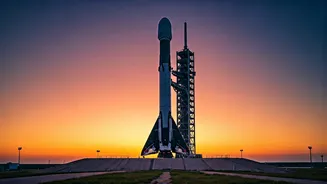
The spacecraft is set to be shipped to Florida in June for launch aboard a SpaceX Falcon Heavy rocket. The launch is scheduled for September 28. The mission team is excited about the imminent launch, and as McEnery put it, 'We’re at the finish line here.' This project achievement reflects NASA's dedication and commitment to advancing space exploration while adhering to schedule and budget constraints. This mission showcases the capabilities of the agency to deliver large-scale scientific missions effectively and efficiently. This accomplishment further indicates NASA's ability to learn from past experiences and implement best practices in managing complex projects.