
A Punjabi Feast
Punjabi cuisine is known for its rich flavors and generous use of butter, ghee, and cream, but it can also be a source of valuable nutrients. Badshah's
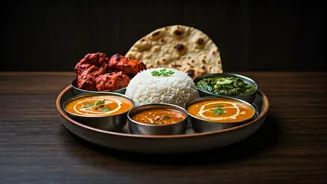
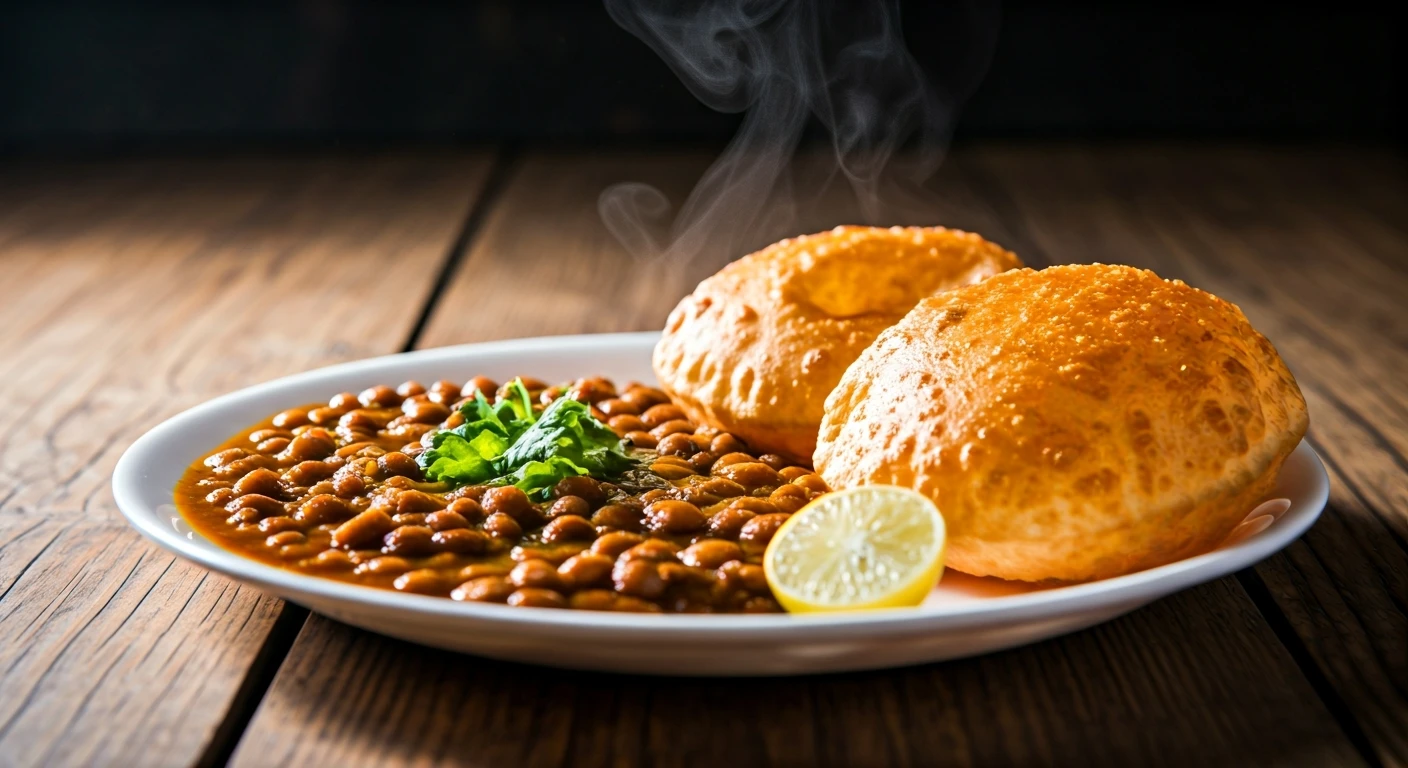
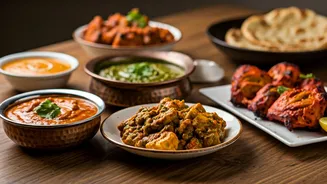
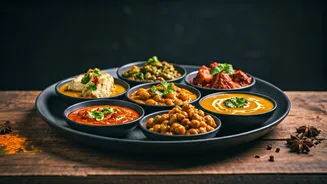
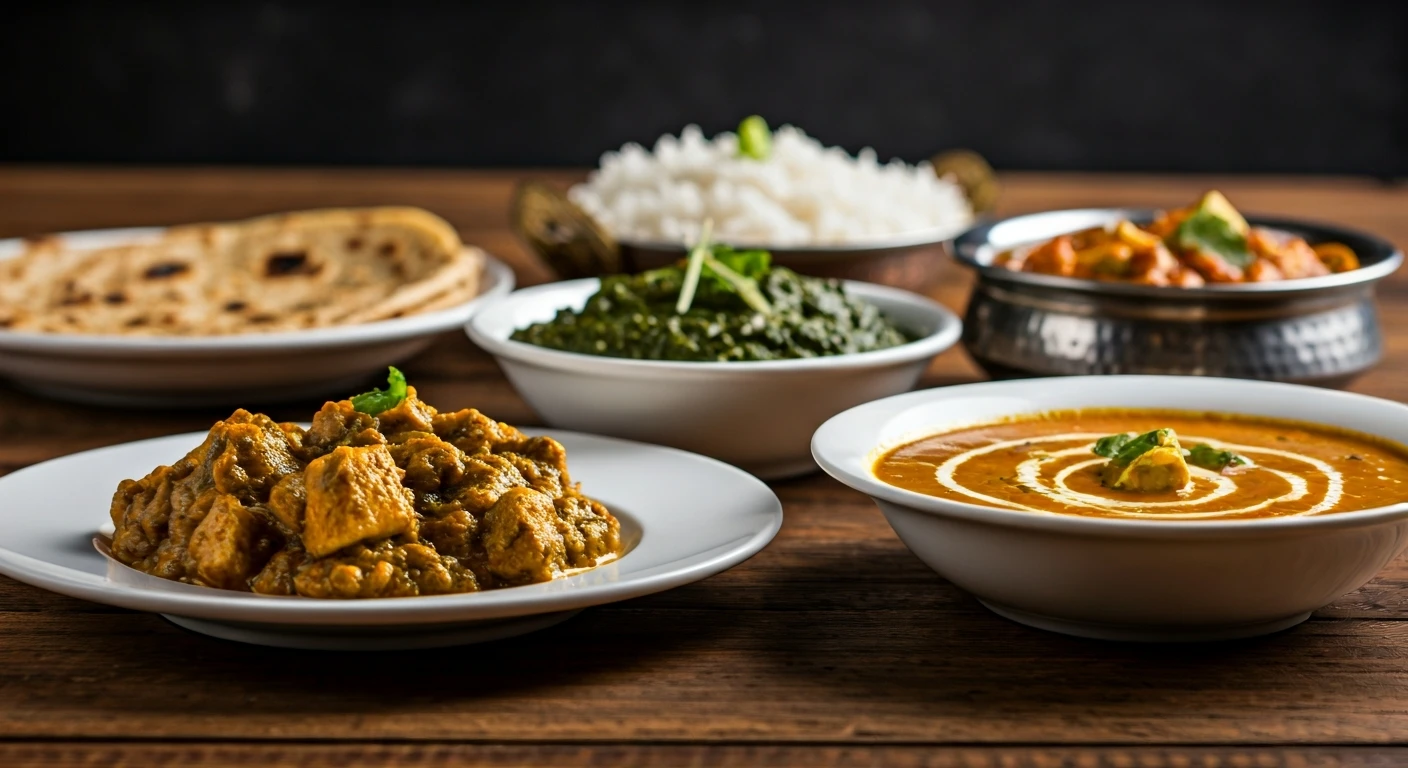
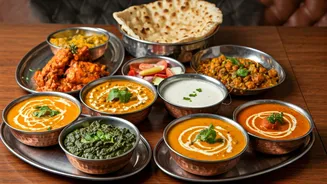
food choices likely include a variety of dishes that represent this diverse culinary heritage. Dishes like sarson ka saag (mustard greens) with makki di roti (cornmeal flatbread) offer fiber and essential vitamins. Chole bhature (chickpea curry with fried bread) provides a source of protein and carbohydrates, while dishes like dal makhani (black lentil and kidney bean stew) and butter chicken offer a mix of protein and fats. However, moderation is key, and it is important to balance these dishes with other healthy choices to achieve a balanced diet. The emphasis on fresh ingredients and traditional cooking methods is key to extracting maximum nutritional value.
Dissecting Key Dishes
Let's take a closer look at some popular Punjabi dishes and their nutritional characteristics. Sarson ka saag is packed with vitamins A, C, and K, along with dietary fiber, thanks to the mustard greens. Makki di roti, although a good source of carbohydrates, should be consumed in moderation due to its relatively high calorie content. Chole bhature provides protein and carbohydrates from the chickpeas and bhature, but is often high in calories and fat due to the frying process. Dal makhani, made with black lentils and kidney beans, provides a good source of protein and fiber but should be mindful of the butter and cream added during cooking. Butter chicken, a favorite, is rich in protein but also contains a significant amount of saturated fat. While these dishes can be part of a balanced diet, portion control and cooking methods are critical. Opting for leaner protein sources and cooking methods can make these dishes more health-conscious.
Health Benefits Examined
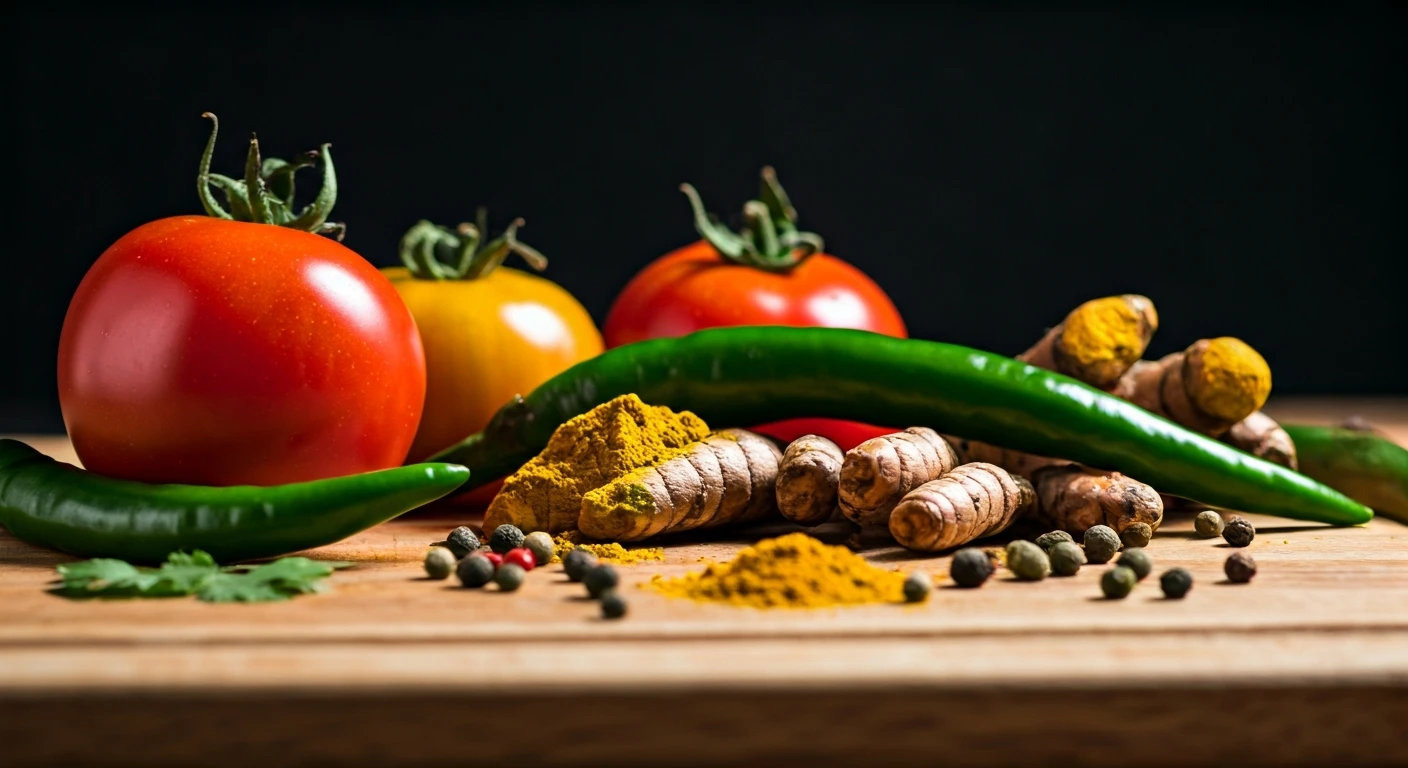
Punjabi cuisine, while often perceived as rich and heavy, does provide several potential health benefits. Dishes like sarson ka saag contribute to improved digestion and promote gut health due to their fiber content. The use of spices like turmeric, ginger, and garlic in many Punjabi dishes offers anti-inflammatory properties and immune system support. Lentil-based dishes, like dal makhani, are a good source of plant-based protein, essential for muscle repair and growth. The use of healthy fats, such as those found in mustard oil and ghee, can also contribute to overall health when consumed in moderation. However, it's essential to balance the consumption of these beneficial components with mindful portion sizes and preparation methods to mitigate the impact of excess fats and calories. Consider incorporating more vegetables and leaner protein sources to complement the traditional dishes.
The Role of Moderation
For Badshah, and anyone enjoying Punjabi cuisine, moderation is absolutely critical. While the dishes can be delicious and offer some nutritional benefits, their high fat and calorie content can be detrimental if consumed in excess. Being mindful of portion sizes is one of the most practical strategies to manage the nutritional intake. Choosing healthier cooking methods, such as grilling or baking, can reduce the amount of fat used in the preparation of dishes. Balancing the diet with plenty of fresh vegetables, fruits, and lean protein can help to create a more balanced and nutritious eating pattern. Incorporating regular physical activity further contributes to the overall health and well-being. Ultimately, enjoying Punjabi food as a treat rather than a regular staple supports a more sustainable and healthier dietary approach.
Beyond the Plate
Beyond the specific dishes, it's essential to consider the broader lifestyle factors that contribute to Badshah's overall health and well-being. Regular physical activity plays a critical role in maintaining a healthy weight and overall fitness. Adequate hydration is key, not just for digestion but also for overall health and vitality. Stress management techniques are also important; incorporating practices such as yoga or meditation, if they are part of his lifestyle, can assist with stress management. Getting enough sleep is another important aspect, which helps the body repair and recharge. A holistic approach that includes a balance of a nutritious diet, exercise, stress management, and sufficient rest is key to maintaining a healthy lifestyle, regardless of dietary preferences. Understanding these lifestyle factors is essential to get a better and more complete picture of Badshah's health.