
Weight's Silent Threat
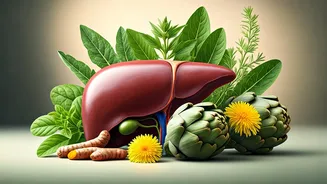
Extra weight in children isn't just a cosmetic concern; it poses significant health risks. One major consequence is the development of non-alcoholic fatty
liver disease (NAFLD). NAFLD occurs when excess fat accumulates in the liver cells, potentially leading to inflammation and damage. Over time, this can progress to more severe conditions like cirrhosis or even liver failure. Early detection and intervention are critical in managing NAFLD. This involves addressing the root causes of excess weight, which often includes poor dietary choices and lack of physical activity. Regular check-ups with a pediatrician can help monitor a child's weight and liver health, allowing for timely intervention if any problems arise. The silent nature of NAFLD underscores the importance of proactive health management and parental awareness.
NAFLD: Understanding the Risks
Non-alcoholic fatty liver disease, or NAFLD, is rapidly becoming a significant health concern for children. It's marked by the buildup of fat in the liver, separate from alcohol consumption. The condition starts with simple fat accumulation but can worsen to non-alcoholic steatohepatitis (NASH), a more severe form involving inflammation and liver damage. Factors like unhealthy eating habits, including diets high in processed foods, sugary drinks, and saturated fats, contribute significantly. A lack of physical activity further exacerbates the problem. The rising rates of childhood obesity are directly linked to the increased prevalence of NAFLD. Children who are overweight or obese are at a much higher risk of developing this condition. This makes early detection vital; regular medical check-ups and lifestyle modifications are critical in mitigating the impact of NAFLD.
Dietary Interventions Matter
Dietary changes play a pivotal role in managing and preventing NAFLD in children. A balanced diet should be the cornerstone of a child's nutritional intake. This means focusing on whole foods: fresh fruits, vegetables, lean proteins, and whole grains. Processed foods, sugary beverages, and excessive amounts of saturated and trans fats should be strictly limited. Parents should encourage their children to drink water and avoid sugary drinks like soda and juice. Portion control is also essential. Teaching children about healthy eating habits from a young age can set a positive precedent. Family meals cooked at home allow parents to control ingredients and portion sizes, guiding their children towards making healthier choices. Consulting a nutritionist or a pediatrician can provide tailored dietary advice.
Exercise's Crucial Role
Physical activity is another key component of protecting a child's liver health. Regular exercise helps burn calories, reduce fat accumulation in the liver, and improve overall metabolic health. Children should aim for at least 60 minutes of moderate to vigorous-intensity physical activity most days of the week. This can include activities such as running, playing sports, swimming, or even brisk walking. Finding activities that a child enjoys can make exercise a more sustainable habit. Parents can lead by example, participating in physical activities with their children. Limiting sedentary behaviors like watching television or playing video games is also crucial. Encouraging outdoor play and sports participation can significantly improve a child's fitness level, promoting weight management and reducing the risk of NAFLD.
Early Detection Strategies
Early detection is critical in managing NAFLD effectively. Regular check-ups with a pediatrician are essential. These check-ups often include monitoring a child's weight, height, and overall health. Doctors may use blood tests to assess liver function and identify any signs of fat buildup. In some cases, an ultrasound of the liver may be recommended to visualize the fat accumulation directly. Early diagnosis allows healthcare professionals to intervene promptly. These interventions often include lifestyle modifications like dietary changes and increased physical activity. In more severe cases, medication might be necessary. The earlier the condition is detected, the better the chances of successful management and preventing complications. Parents should communicate openly with their pediatrician about any health concerns.
Parental Guidance is Key
Parents play a pivotal role in safeguarding their children's liver health. Being role models of healthy eating and exercise habits sets a powerful precedent. Encourage your children to make healthy choices by providing them with nutritious meals and snacks and involving them in meal preparation. Promote active play and limit screen time. Educate yourself about the risks of NAFLD and the importance of a healthy lifestyle. Communicate openly with your child's pediatrician and seek professional advice when needed. Support groups and educational resources can provide additional guidance and support. Parents' dedication to creating a supportive environment fosters healthy habits, greatly improving their children’s overall well-being and reducing the risk of liver disease.