


The Psychology of Bangs
There's a compelling reason why unexpected bangs often catch our attention, a phenomenon that goes beyond mere beauty trends. Dubbed the 'bangs theory'
by Gen Z, it captures a deep psychological pattern. Hair, being a highly visible aspect of our identity, plays a significant role in how we perceive ourselves and how others see us. Psychologists suggest that a drastic hairstyle alteration frequently mirrors an internal shift in self-perception. Specifically, bangs possess the unique ability to instantly redefine one's facial appearance, crafting a 'new version' persona. This transformation is not only aesthetically pleasing but also carries profound symbolic weight, acting as a visual cue for personal change.
Taking Back Control
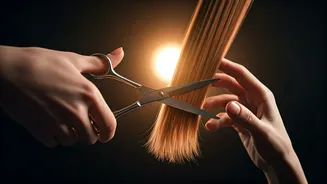
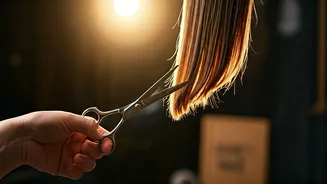
During periods of significant life upheaval, such as breakups, career-related stress, or general emotional lows, individuals often experience a profound sense of powerlessness. In these moments, the decision to cut bangs emerges as a small yet potent act of regaining agency. It offers the gratifying realization that even when external circumstances feel unmanageable, one has the capacity to influence their appearance, leading to a feeling of contentment and visual appeal. This simple act provides a tangible sense of control when faced with life's unpredictable challenges, offering a comforting feeling of self-management amidst uncertainty.
Emotional Reset and Confidence
Many therapists view haircuts as a form of emotional detoxification or a reset mechanism, signifying a transition in one's life journey. This act of cutting hair can effectively mark the conclusion of one phase and the commencement of another. The immediate boost in confidence that accompanies a new hairstyle, particularly bangs, can be substantial. It often feels less like a conventional haircut and more like a cathartic release, providing a much-needed psychological reprieve. This transformation can empower individuals to face new beginnings with renewed self-assurance and a refreshed outlook.
Potential Pitfalls of Bangs
While the 'bangs theory' offers a compelling psychological narrative, it's crucial to acknowledge potential downsides. Such a decision can sometimes stem from impulsivity, enacted during heightened emotional states, both positive and negative. Bangs demand significant upkeep and consistent styling efforts, which can become a burden. Furthermore, as they grow out, they can reach an awkward stage, potentially leading to periods of regret and emotional distress. Therefore, while bangs may appear transformative, they are not always the most practical or sustainable hairstyle choice, and careful consideration is advised.