



Brown Fat's Calorie Burn
Our bodies are primarily composed of white fat, which serves as an energy reserve and can contribute to weight gain when it accumulates excessively. However,
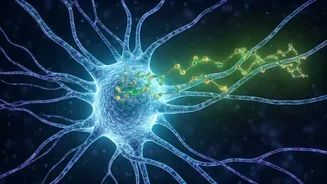
a different type of fat, known as brown fat, exists in smaller quantities and plays a vital role in regulating body temperature and maintaining metabolic well-being. When confronted with cold temperatures, brown fat activates a process called thermogenesis, wherein it utilizes glucose and lipids to generate heat. As explained by Farnaz Shamsi, a senior author of the study, this thermogenesis converts chemical energy directly into heat, preventing its storage as white fat. Shamsi further elaborates that brown fat functions as a metabolic sink, actively absorbing and metabolizing nutrients from both our bodies and consumed food, thereby inhibiting their conversion into stored fat. To effectively perform this heat-generating function, brown fat depends on a robust network of blood vessels and nerves. These nerves receive signals from the brain, triggering the tissue's activation in response to cold. Simultaneously, the blood vessels supply the necessary oxygen and nutrients for heat production and aid in its dissemination throughout the body. While prior research has largely concentrated on the heat-generating capabilities of fat cells themselves, the development and operational mechanics of these crucial supporting networks have received less attention.
SLIT3: Building Brown Fat's Infrastructure
Building upon previous work that utilized single-cell RNA sequencing to pinpoint SLIT3, a protein secreted by brown fat cells thought to facilitate communication, new research has illuminated its precise function. The study revealed that SLIT3 is cleaved into two distinct fragments, a process orchestrated by the enzyme BMP1, as confirmed through experiments involving both human and mouse cells. Each fragment assumes a unique responsibility: one fragment is instrumental in fostering the growth of new blood vessels, while the other actively supports the expansion and development of nerve networks. Shamsi highlights this as an ingenious evolutionary design where a single factor, through its split components, independently manages distinct processes that require meticulous coordination in both location and timing. Furthermore, the researchers identified PLXNA1, a receptor that binds to one of the SLIT3 fragments, playing a key role in governing nerve development within brown fat. Crucially, experiments involving mice demonstrated that the absence of SLIT3 or the PLXNA1 receptor rendered the animals more susceptible to cold and impaired their ability to maintain core body temperature. Subsequent detailed analysis revealed that the brown fat in these mice was deficient in proper neural structure and lacked an adequate vascular network.
Human Links to Obesity
To ascertain whether this fundamental mechanism also operates in humans, the research team undertook an extensive analysis of fat tissue samples sourced from over 15,000 individuals, a cohort that included participants with obesity. Their focus was specifically on the gene responsible for synthesizing SLIT3, a gene previously implicated in studies concerning obesity and insulin resistance. The findings from this analysis strongly suggest that the activity levels of SLIT3 can significantly influence the health of fat tissue, modulate inflammation, and impact insulin sensitivity in individuals experiencing obesity. Shamsi expressed that these results were particularly compelling, indicating a potential relevance of this biological pathway to human obesity and overall metabolic health. This connection between SLIT3 function and human metabolic conditions opens promising avenues for further investigation and potential therapeutic interventions.
A New Obesity Treatment
Current pharmacological approaches to weight management, including widely used GLP-1 medications, primarily function by suppressing appetite and reducing food intake. In stark contrast, the novel findings regarding brown fat present an alternative strategy: enhancing the body's energy expenditure. The recent discoveries, detailing how SLIT3 undergoes fragmentation and interacts with specific receptors to sculpt the intricate networks of nerves and blood vessels essential for brown fat function, point towards several promising targets for future therapeutic development. Shamsi emphasizes a critical takeaway from the research: simply possessing brown fat is insufficient for effective thermogenesis; the tissue requires the requisite internal infrastructure for efficient heat production. This understanding shifts the paradigm from merely reducing calorie intake to actively increasing calorie burning through targeted activation of brown fat's metabolic capabilities.