








Energy Partnership Discussions
The meeting between Hardeep Puri and the British Columbia Premier served as a platform to deliberate on potential collaborations in the energy domain.
Their talks encompassed key areas, including the prospects of Liquid Natural Gas (LNG) and the import of Liquefied Petroleum Gas (LPG). Furthermore, the discussions also explored avenues for cooperation in green hydrogen initiatives. This collaborative engagement demonstrates India's proactive stance in seeking diverse energy solutions and fostering international partnerships, with a strong focus on sustainable and eco-friendly practices. The gathering reflected a joint effort to capitalize on the strengths of both regions, facilitating innovative approaches to address energy needs while promoting environmentally responsible strategies. This is a crucial step towards securing a balanced and sustainable energy future for both nations.
LNG Prospects Explored
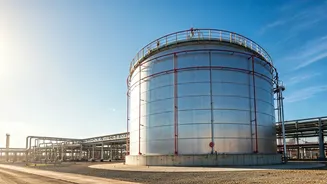
A significant portion of the dialogue was devoted to examining the prospects of Liquid Natural Gas (LNG). LNG, known for its efficiency, forms a vital component in energy diversification strategies. The discussions may have delved into the specifics of LNG infrastructure development, the potential for trade, and the environmental benefits of LNG compared to other fossil fuels. Collaboration in LNG projects not only boosts energy security but also opens up avenues for economic growth, especially in sectors such as transportation and industrial operations. By exploring LNG, the meeting underscored the importance of integrating advanced technologies and optimizing resource allocation to achieve broader energy goals. The emphasis on LNG highlights India's commitment to developing a robust energy supply while also adhering to environmentally conscious practices, which is crucial for achieving sustainable energy solutions.
LPG Import Importance
The discussion about Liquefied Petroleum Gas (LPG) imports revealed a strategic focus on meeting immediate energy demands while also supporting a more sustainable energy ecosystem. LPG plays an important role in meeting the energy needs of households, especially in rural areas, and in industries that use it for heating and other operations. The dialogue would likely have involved an analysis of supply chains, the streamlining of import processes, and the exploration of new avenues to guarantee stable and affordable LPG supply. By addressing LPG imports, both parties demonstrated their commitment to ensuring energy access to all sectors. This initiative indicates a pragmatic approach to energy security and sustainable development, which strengthens the foundation for inclusive growth and reduces dependency on traditional energy sources.
Green Hydrogen Cooperation
The meeting additionally explored opportunities for collaboration in the realm of green hydrogen, recognizing its potential to change the energy sector. Green hydrogen, produced using renewable energy sources, represents a key element in reducing carbon emissions and achieving climate objectives. The conversation would likely involve how both regions can support the green hydrogen ecosystem, from production to distribution and utilization. This included discussing potential investments in green hydrogen projects, sharing technological expertise, and establishing regulatory frameworks that foster the rapid growth of the green hydrogen sector. This emphasis signifies a commitment to move towards a cleaner, more sustainable energy future, reducing the impact of conventional energy sources. Such collaboration in green hydrogen symbolizes a shared desire to address climate change and drive innovation in the energy industry, which is a crucial step for achieving net-zero targets.