





Spinach: A Nutritional Powerhouse
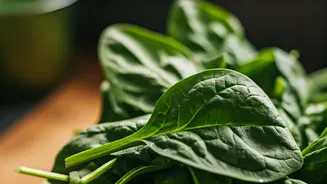
Spinach, a verdant gem often celebrated for its health-boosting properties, offers a wealth of nutrients that contribute significantly to our well-being.
Its high water and fiber content makes it an excellent choice for initiating your day, promoting hydration and aiding in detoxification processes. Dietitians highlight its capacity to assist in regulating blood sugar levels, a vital function for maintaining stable energy throughout the day. Furthermore, the iron present in spinach plays a crucial role in the production of red blood cells, combating fatigue and enhancing stamina. This leafy green is also a treasure trove of antioxidants like Vitamin C, beta-carotene, and lutein, which are instrumental in fostering radiant skin, robust hair, and a fortified immune system. The beneficial nitrates within spinach actively support cardiovascular health by improving blood circulation, while its rich reserves of Vitamin K and calcium are essential for maintaining strong, healthy bones. Additionally, the lutein and zeaxanthin found abundantly in spinach are known to protect our vision, potentially lowering the risk of age-related macular degeneration. Its fiber and potassium content further bolster heart health by helping to manage cholesterol levels, ultimately contributing to a healthier circulatory system and potentially aiding in weight management when incorporated into a balanced diet.
The Oxalic Acid Dilemma
While spinach offers an impressive array of health benefits, consuming it in its raw state presents certain challenges due to the presence of oxalic acid. This naturally occurring compound has the potential to bind with essential minerals like calcium and iron within the body, forming insoluble crystals. When spinach is eaten raw, this oxalic acid remains largely undigested, which can hinder the body's ability to absorb these vital nutrients. Cooking spinach, even through brief steaming or blanching, effectively breaks down the oxalic acid, rendering the minerals more bioavailable. This process is particularly important for individuals who may be prone to acidity. Moreover, cooking also serves the crucial purpose of eliminating any potential bacteria, ensuring the safety of consumption. Experts caution that excessive intake of raw spinach could lead to an oxalate overload, potentially impacting iron absorption. To mitigate this, pairing spinach with vitamin C-rich foods, such as lemon juice or oranges, can significantly enhance the bioavailability of iron. It's also advisable to consume spinach in moderation, perhaps three to four times per week, and to consider blending or blanching it rather than juicing to preserve its beneficial fiber content, which aids digestion and promotes a feeling of fullness. Avoiding consumption with dairy products is also recommended, as the calcium in dairy can further impede iron absorption.
Optimizing Spinach Consumption
To maximize the health advantages derived from spinach while minimizing potential drawbacks, strategic preparation and consumption methods are key. Experts suggest that blending or blanching spinach is a superior approach compared to juicing. This technique helps retain the crucial fiber content, which is vital for promoting healthy digestion and fostering a sense of satiety, making it an effective component of a weight management strategy. Furthermore, enhancing spinach's nutritional impact can be achieved by pairing it with other hydrating and alkaline ingredients. Consider incorporating elements like cucumber or celery into your spinach preparations; these additions not only boost hydration but also complement the greens in a way that further enriches their overall nutritional profile. When it comes to iron absorption, a common concern with spinach due to oxalic acid, pairing it with sources of Vitamin C is highly beneficial. A squeeze of lemon juice or a side of oranges can dramatically improve how well your body absorbs the iron from spinach. For optimal results and balanced nutrient intake, it's generally advised to consume spinach in moderation, perhaps three to four times weekly. It's also worth noting that combining spinach with dairy products should be avoided, as the calcium present in dairy can interfere with the absorption of iron, thereby diminishing one of spinach's key benefits.