
The Microwave Revolution
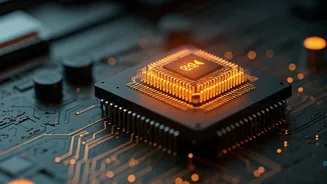
The advent of the microwave-powered computer chip represents a fundamental shift in how we approach computing. This groundbreaking technology operates
by harnessing the power of microwaves to perform calculations, a stark contrast to the conventional methods employed by standard CPUs. The key innovation lies in the chip's ability to efficiently utilize microwave energy, leading to significant advantages. The chip's design allows for processing tasks much more quickly. Furthermore, the chip’s energy efficiency is notably improved, which is a major concern in the current demand for higher processing power. The implications of this new technology are far-reaching, hinting at a future where computing is not only faster but also more sustainable.
Speed and Efficiency
One of the most compelling aspects of the microwave-powered chip is its superior performance. According to research, the new chip outperforms existing CPUs in terms of speed, enabling faster processing of data and more rapid execution of complex operations. This enhanced speed has the potential to transform numerous applications, from scientific simulations to everyday computing tasks. Alongside its impressive speed, the chip also excels in energy efficiency. By consuming less power than traditional CPUs, it addresses a crucial need in the tech industry, particularly in the context of rising energy costs and environmental concerns. The combination of greater speed and lower power consumption positions this technology as a compelling alternative, ready to set new standards in computing performance.
Potential Impact
The creation of the microwave-powered chip could have a broad-ranging impact on the technology landscape. The benefits of faster processing speeds and reduced power usage are numerous. This technology could accelerate advancements in fields such as artificial intelligence, data analytics, and high-performance computing. AI applications, which require substantial computing power to handle massive datasets, could see significant benefits. Similarly, data centers, which are notorious for their high energy demands, may see reduced operational expenses through the adoption of more energy-efficient chips. Further exploration into this technology could lead to breakthroughs in areas such as portable devices and sustainable technologies. Ultimately, the microwave-powered chip offers the promise of a more efficient and powerful computing future.
Future Developments
The journey of the microwave-powered chip does not end with its initial development; it's just the beginning. The research community is expected to delve deeper into its potential, discovering new ways to improve performance and expand its applications. Future studies could focus on scaling up the production of these chips to meet growing demand and on refining the design to further reduce power consumption and boost speed. There is also potential to merge this technology with other groundbreaking innovations, such as the use of light in neural processing units. The integration of microwave-powered chips with other cutting-edge technologies might create even more efficient and sustainable computing solutions. The continued advancement of this innovative chip holds significant potential to enhance computing capabilities, paving the way for a more advanced technological era.