





Mission Objectives Unveiled
NASA is charting a course for lunar exploration with its Artemis III mission, which, rather than venturing to the Moon, will conduct a sophisticated series
of tests within Earth's orbit. This crucial phase is designed to meticulously iron out any technical or operational hitches that could jeopardize subsequent lunar expeditions, specifically the Artemis IV mission targeting the Moon's southern polar region. The primary goal is to significantly mitigate risks associated with deep-space maneuvers and landings by first mastering them in a more controlled environment. This preliminary mission serves as a vital stepping stone, a comprehensive systems demonstration that will validate the capabilities of both NASA's Orion spacecraft and the commercial lunar lander systems currently under development by industry partners. Essentially, Artemis III is about building confidence and proficiency before the stakes get significantly higher with a crewed lunar touchdown.
Orion and Lander Synergy
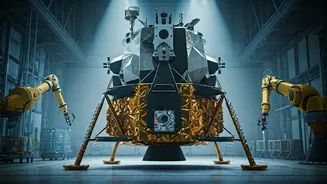
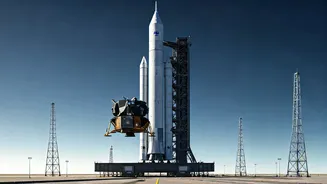
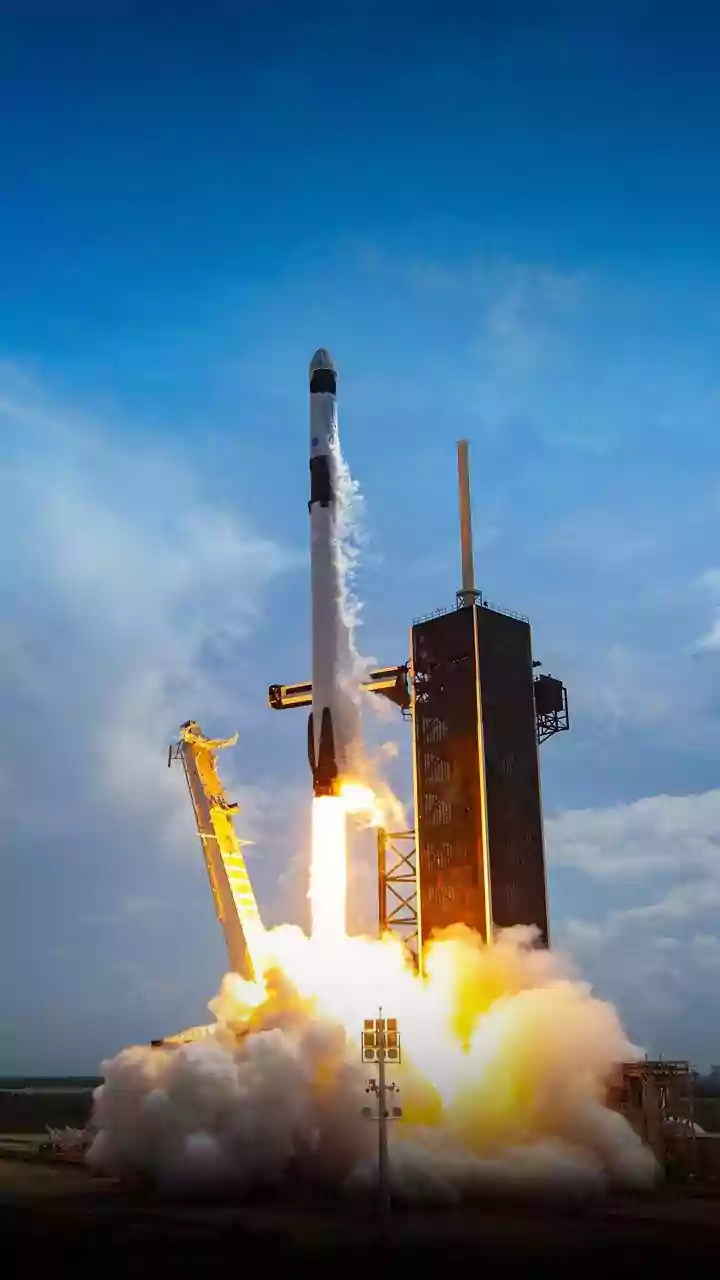
The Artemis III mission architecture is a testament to collaborative innovation, bringing together key components from different entities. The mission will commence with the launch of the Orion spacecraft atop NASA's powerful Space Launch System rocket from the Kennedy Space Center in Florida. Interestingly, instead of its typical cryogenic propulsion stage, Artemis III will utilize a 'spacer' structure, engineered to mimic the mass and dimensions of the upper stage, serving as a crucial testbed for orbital dynamics and spacecraft handling. Once in low Earth orbit, Orion's European-manufactured service module will play a pivotal role in establishing a stable, circular orbit around Earth. This orbital configuration is intentionally designed to offer greater flexibility in launch windows, accommodating the various spacecraft that will participate in the mission. The plan involves Orion interacting with a pathfinder human landing system from SpaceX, known as Starship, and a Blue Moon Mark 2 lander pathfinder developed by Blue Origin. This multi-vehicle approach allows for the testing of rendezvous and docking procedures, essential for future lunar operations.
Testing Critical Systems
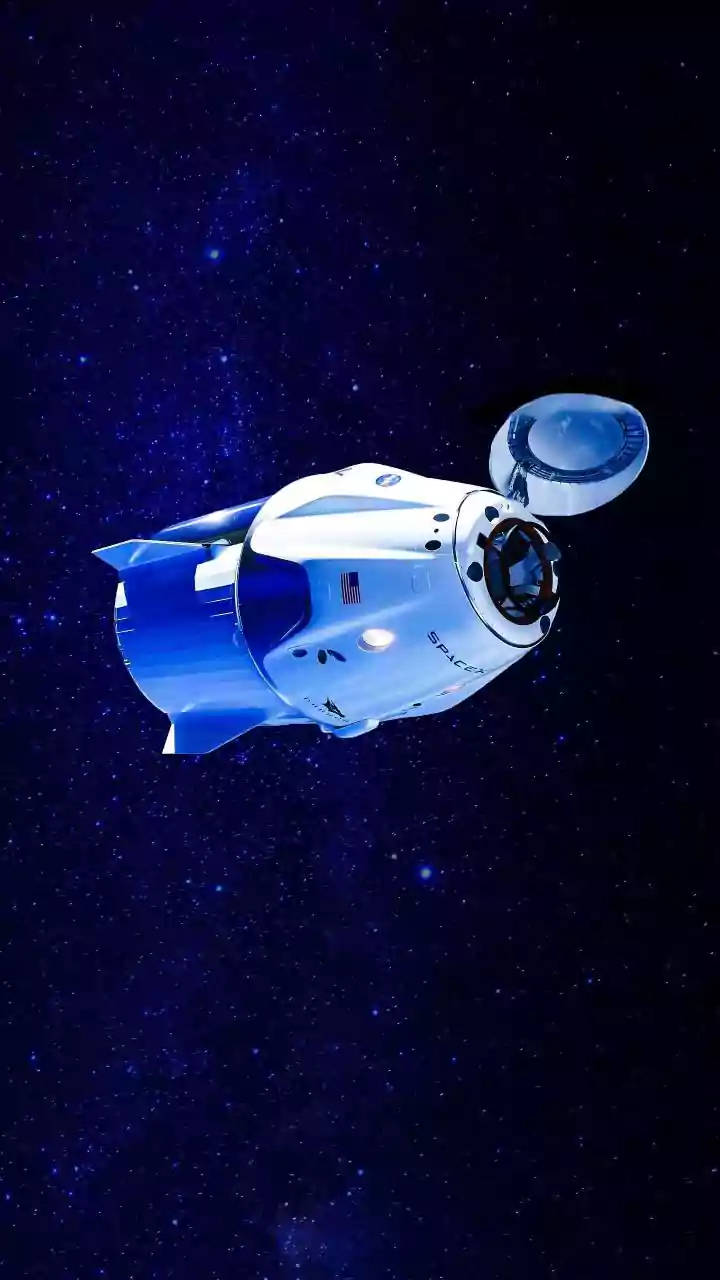
Artemis III represents a significant leap forward in testing critical in-flight capabilities for future lunar missions. A central focus will be the first in-flight validation of Orion's advanced docking system. This will allow astronauts to spend an extended period aboard the spacecraft, providing invaluable data on habitability and system performance under prolonged use, exceeding the duration of the earlier Artemis II mission. Furthermore, NASA plans to rigorously evaluate the performance of Orion's upgraded heat shield during its re-entry into Earth's atmosphere. This enhanced heat shield is a crucial development, designed to support more flexible and potentially higher-energy return trajectories from future lunar missions, offering greater operational freedom. While final operational plans are still being shaped, there's a possibility that astronauts might have the opportunity to enter at least one of the lander test vehicles during the mission, offering a tangible experience with the hardware destined for the lunar surface. This hands-on approach, combined with extensive system checks, is integral to the mission's success.
Complex Coordination Ahead
The Artemis III mission is poised to be one of the most operationally intricate undertakings within the Artemis program to date, largely due to the extensive coordination required among a diverse array of commercial and international partners. This complex interplay of different spacecraft, ground control systems, and human elements necessitates meticulous planning and execution. NASA emphasizes that the success of this mission hinges on seamless collaboration, ensuring that each partner's contribution aligns perfectly with the overall objectives. Beyond the immediate goals of testing rendezvous and docking, the mission also serves as a foundational element for NASA's ambitious long-term vision. This vision includes establishing a sustained human presence on the Moon and, looking further ahead, supporting eventual crewed missions to Mars. Therefore, the intricate dance of Artemis III is not just about preparing for the next lunar step but is a critical building block for humanity's broader interplanetary aspirations.