





Morning Bed Habits
It's a common morning ritual for many: waking up and immediately tidying the bed. This act often feels like a productive start to the day, a small win
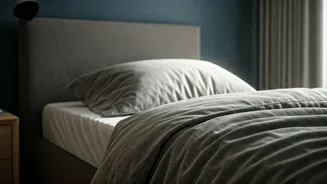
before facing the world. However, according to sleep experts, this seemingly innocent habit might be inadvertently creating a less-than-ideal environment for your sleep space. The reason lies in what happens overnight. While you rest, your body naturally releases heat and moisture, which then gets absorbed by your bedding and mattress. Making the bed right away essentially traps this accumulated dampness, creating a cozy and humid microclimate. This damp warmth is precisely the kind of condition that dust mites absolutely love. These tiny creatures thrive on dead skin cells, and a moist environment allows them to multiply rapidly. For individuals prone to allergies or respiratory issues, this can lead to increased discomfort, sneezing, and congestion, impacting overall well-being and sleep quality.
Letting Your Bed Breathe
Instead of rushing to smooth out your sheets the moment your eyes open, a much more beneficial approach is to allow your bed to air out. Dr. Budhraja, a sleep expert, emphasizes that leaving your bed unmade for a period after waking is akin to letting it 'breathe'. This simple yet effective practice has several key benefits that contribute to a cleaner and more hygienic sleep environment. Firstly, it aids in releasing the trapped heat and moisture that accumulated throughout the night, allowing it to dissipate into the room. Secondly, this airing process helps to thoroughly dry out both the sheets and the mattress. By removing this excess moisture, you create a less hospitable habitat for dust mites, significantly reducing their ability to thrive. Over time, consistent application of this habit can foster a noticeably cleaner and healthier space for rest and rejuvenation.
The Dust Mite Connection
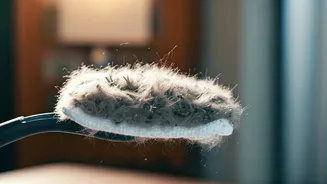
Understanding the dust mite's life cycle is crucial to appreciating why airing out your bed matters. Dr. Budhraja explains that while dust mites are a natural occurrence in most indoor settings, their proliferation is heavily dependent on environmental factors, specifically moisture and warmth. When you immediately make your bed after waking, you are inadvertently sealing in the exact conditions that these microscopic organisms need to multiply. For people who suffer from allergies or have sensitivities, this can exacerbate symptoms such as sneezing fits, persistent nasal congestion, or bothersome skin irritations. Conversely, by simply allowing your bed to ventilate for even a brief interval, you are actively reducing the risk of dust mite proliferation. This practical and highly effective strategy works to mitigate the factors that promote their growth, leading to a more comfortable and allergy-friendly bedroom.
Simple Steps for Hygiene
Implementing better sleep hygiene doesn't require drastic changes; a few minor adjustments can make a substantial difference in the overall quality of your sleep environment. According to Dr. Budhraja, start by simply pulling back your covers after waking. This action exposes the mattress and sheets directly to the air, facilitating better ventilation. Incorporate natural light by opening your windows or drawing back curtains; sunlight can also help in drying out the room. Crucially, aim to wait between 20 to 30 minutes before making your bed. This waiting period allows sufficient time for accumulated moisture to evaporate and the bedding to ventilate properly. Only after this brief airing period should you proceed to make your bed. Beyond daily habits, remember to maintain fundamental hygiene practices, such as washing your bed sheets on a weekly basis, as this further contributes to a cleaner and more conducive atmosphere for restful sleep.