




The Diet-TB Connection
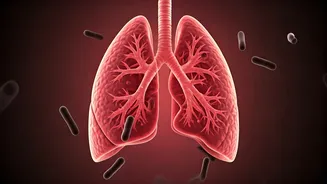
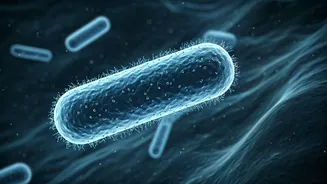
Tuberculosis is a formidable infectious disease, and while medical treatments are crucial, the journey to recovery is profoundly influenced by what patients
eat. World Tuberculosis Day serves as a critical reminder that nutrition is not merely a supportive element but a fundamental component of both fighting the infection and preventing its spread. Recent guidelines from the World Health Organization (WHO) now underscore the importance of nutritional assessments and food support for individuals battling TB and their families. This shift in perspective acknowledges that undernourishment is a major factor exacerbating TB, weakening the immune system and leading to more severe outcomes, including higher mortality rates. Medical evidence strongly supports this, indicating that patients who are malnourished experience slower healing processes and poorer prognoses. Conversely, achieving a healthy weight gain during the initial stages of treatment has been demonstrably linked to a reduced risk of death, highlighting the direct impact of diet on patient survival and well-being.
Powering Up with Calories & Protein
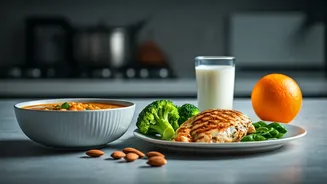
Tuberculosis places an immense strain on the body, often leading to a diminished appetite while simultaneously increasing the demand for nutrients. To combat this, a diet rich in calories and protein becomes indispensable. These vital components are crucial for rebuilding damaged tissues, restoring lost strength, and bolstering the immune system's capacity to fight the infection. Consuming meals packed with nutrient density helps patients achieve and maintain a healthy weight, a significant predictor of successful recovery. Recommendations include whole grains like millets and oats, pulses such as lentils and beans, and protein sources like eggs, chicken, lean meats, and fish. Dairy products like milk, yogurt, cheese, and paneer also contribute significantly. The WHO itself has validated that nutritional interventions that are high in calories and protein lead to improved clinical outcomes and foster a quicker return to health, reinforcing their integral role in the treatment regimen.
Micronutrients for Immunity
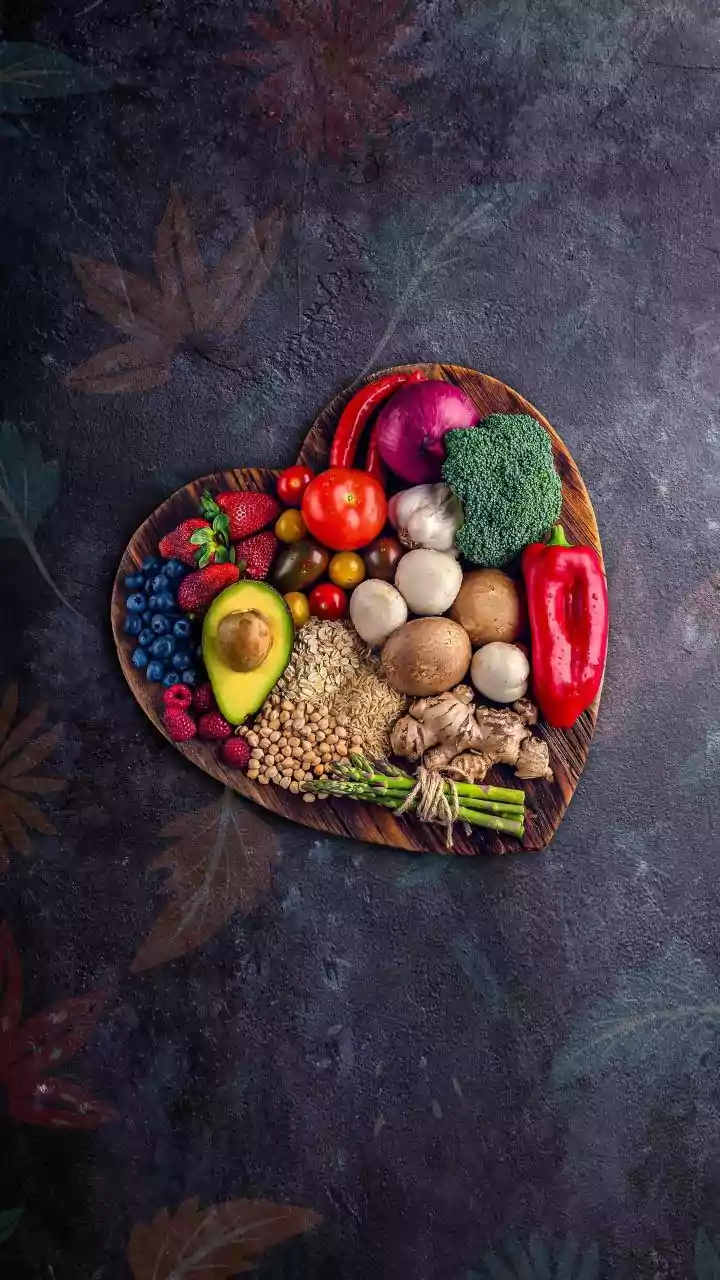
While consumed in smaller quantities, vitamins and minerals, collectively known as micronutrients, are powerhouses in the battle against infections like tuberculosis. Incorporating a vibrant array of colorful fruits and vegetables into daily meals is essential for supporting the body's healing mechanisms and enhancing overall health. Key foods to include are green leafy vegetables, which are dense in essential nutrients, along with root vegetables like carrots. Citrus fruits offer Vitamin C, vital for immune function, while tomatoes provide other beneficial compounds. A regular intake of nuts and seeds adds healthy fats and minerals, and fortified cereals can provide additional micronutrient support. Medical research consistently points to the indispensable role of these micronutrients in maintaining the efficacy of immune cells and bolstering the body's natural resistance to diseases, making them a critical part of a TB patient's diet.
Healthy Fats and Hydration
The inclusion of healthy fats in a TB patient's diet is a strategic move to provide sustained energy, which is especially important given the common challenges of low appetite and unintentional weight loss. Even small additions of good fats can make a substantial difference in maintaining energy levels. Excellent sources include avocado, which is rich in monounsaturated fats, various nuts and their butters, and cooking oils like olive, mustard, or groundnut oil. These fats are particularly beneficial for individuals struggling to consume larger meals. Equally vital is maintaining adequate hydration. Drinking sufficient fluids aids the body in efficiently processing medications, supports metabolic functions, and ensures the digestive system operates smoothly. Recommended beverages include plain water, coconut water for its electrolytes, nourishing soups and broths, and yogurt or probiotic foods to promote a healthy gut microbiome and digestive comfort.
Foods to Minimize
While a balanced diet is encouraged, certain food and beverage choices can impede the recovery process or interfere with tuberculosis medications. Although no food is strictly prohibited, minimizing the consumption of specific items can allow the body to focus its energy more effectively on healing and reduce the likelihood of adverse side effects. It is particularly important for patients to avoid substances that can strain the digestive system, compromise the immune defenses, or negatively interact with prescribed medicines. This category includes highly processed foods, which often lack nutritional value and can be difficult to digest. Excessive caffeine intake should also be curbed, as should sugary snacks that offer little benefit and can lead to energy crashes. Most importantly, alcohol consumption must be strictly avoided, as it can significantly worsen drug side effects and potentially harm the liver, which may already be under stress from illness and medication.