






Why Quinoa Wins
Quinoa is highlighted as the leading breakfast recommendation for managing high cholesterol, surpassing oats due to its exceptional nutritional profile.
This versatile grain cooks in about 15 minutes, offering flexibility for busy schedules, and can be prepared in both sweet and savory ways. Beyond convenience, quinoa is a nutritional powerhouse, providing all nine essential amino acids, making it a complete protein. It is also rich in complex carbohydrates, particularly fiber, which is crucial for supporting healthy cholesterol levels. Its status as a complete protein contributes to sustained energy and satiety, while its high fiber content aids in reducing LDL and total cholesterol by promoting excretion and hindering absorption. With approximately 8 grams of protein and 5 grams of fiber per cup, quinoa significantly contributes to daily intake goals for these vital nutrients, supporting long-term cardiovascular well-being.
Heart-Healthy Fats
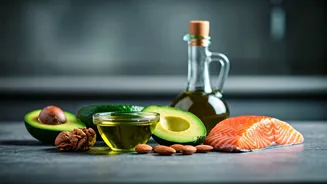
Quinoa is a beneficial addition to a heart-healthy diet, especially for those managing cholesterol, due to its natural content of beneficial fats. Unlike saturated fats, which can elevate LDL (bad) cholesterol and negatively impact HDL (good) cholesterol, potentially increasing heart disease risk, quinoa offers polyunsaturated and monounsaturated fats. These types of fats are instrumental in lowering LDL cholesterol levels, promoting the health of blood vessels, and reducing the overall risk of stroke and heart disease. By choosing quinoa, individuals are incorporating a food that not only provides essential proteins and fiber but also contributes heart-friendly lipids that actively support cardiovascular function and mitigate risks associated with elevated cholesterol.
Delicious Quinoa Preparations
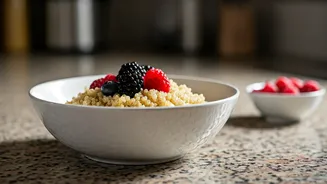
Integrating quinoa into your breakfast routine is simple and enjoyable, thanks to its incredible versatility. For those who prefer a sweet start, cook quinoa with almond milk and top it with fresh fruits, a dash of cinnamon, nut butter, and a sprinkle of nuts for added texture and flavor. If savory breakfasts are more your style, a quinoa bowl can be elevated with roasted vegetables and eggs, creating a protein-rich and satisfying meal. For individuals hesitant to abandon their oatmeal, quinoa can be mixed directly into oats, enhancing the fiber content and nutritional value of a traditional hot cereal. These varied preparations ensure that quinoa can seamlessly fit into any breakfast preference, making heart-healthy eating both accessible and appealing.
Holistic Cholesterol Management
While a quinoa breakfast is an excellent step toward managing high cholesterol, a comprehensive approach is key. Regular physical activity, aiming for at least 150 minutes per week, significantly supports heart health by improving cholesterol levels, reducing stress, and enhancing sleep quality. Avoiding smoking and vaping is crucial, as quitting can lead to increased HDL cholesterol and decreased LDL cholesterol, directly benefiting cardiovascular health. Furthermore, consistent medical check-ups are vital, as high cholesterol often presents no symptoms and can only be detected through blood tests. Routine monitoring allows for tracking cholesterol levels and assessing the effectiveness of lifestyle changes, ensuring a proactive stance on heart health.