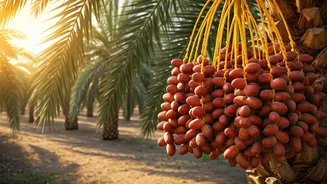







A Shift to Profit
Farmers are increasingly looking beyond traditional crops for more profitable ventures. With challenges like unpredictable weather and water scarcity,
exploring high-value, low-maintenance options is crucial. This is where innovative cultivation methods, like that of date palms, are gaining traction. Even young, educated individuals are embracing these new approaches, aiming to significantly boost their annual earnings and contribute to a more resilient agricultural sector. The focus is shifting towards crops that require less intensive care and offer consistent returns, making farming a more attractive and sustainable livelihood.
The Date Palm Advantage
Date palm cultivation presents a remarkable opportunity for Indian farmers, offering a solution to common agricultural hurdles. Unlike seasonal crops, a date palm tree, once planted, can continue to produce fruit for an impressive 70 to 80 years. This longevity translates into sustained income streams, with the potential for farmers to earn lakhs of rupees annually. States like Rajasthan and Gujarat are already seeing significant success with this long-term, high-value crop, demonstrating its viability in specific Indian agro-climatic conditions. The demand for dates, particularly during religious periods, coupled with India’s reliance on imports, creates a fertile market for domestic growers.
Ideal Growing Conditions
Date palms thrive in environments that mimic their natural arid and warm habitats, making states such as Rajasthan, Gujarat, Punjab, and Haryana particularly well-suited for their cultivation. The ideal soil is loamy or sandy, provided it offers good drainage to prevent root rot, a common issue with excessive moisture. A soil pH level between 7 and 8 is generally recommended for optimal growth. Before embarking on cultivation, conducting a soil test is a prudent step to ensure the land is conducive to healthy development and will support maximum fruit yield, setting the stage for successful and profitable harvests year after year.
Choosing the Right Variety
India hosts a variety of date palm types, but selecting the most commercially viable ones is key to maximizing profits. Popular choices like Barahi, Khadrawi, Medjool, and Khalas are excellent for cultivation, with Barahi and Medjool standing out due to their high market demand and profitability. For the best start and quickest returns, it is advisable to source plants from reputable nurseries. Opting for tissue-cultured plants is particularly recommended, as they tend to offer superior growth rates and yield potential, ensuring a stronger foundation for your investment and a more robust future harvest.
Planting and Early Care
The optimal times for planting date palm trees are February–March or July–August, allowing them to establish well before extreme weather. An acre can accommodate approximately 60 to 70 trees, with spacing of 6 to 8 meters between each to ensure ample sunlight and room for growth. Each planting pit should be dug to a depth of about 3 feet and enriched with a blend of compost and soil. Initial irrigation immediately after planting is critical, followed by consistent watering for the first one to two years. This early care helps the young trees develop a strong root system, preparing them for their long and fruitful life.
Sustainable Irrigation and Nutrition
While date palms are known for their drought tolerance, consistent watering is vital during the fruit development phase to ensure plump, high-quality dates. Employing a drip irrigation system is highly efficient, conserving water while delivering it directly to the roots. For nutrition, applying cow dung or compost twice annually provides essential organic matter, and an NPK fertilizer application before flowering can significantly boost growth and fruit production. Vigilant, periodic spraying with organic pesticides is also recommended to ward off common pests and diseases, safeguarding your crop and ensuring abundant yields.
Profitable Yields and Returns
A mature date palm tree can yield between 40 to 80 kilograms of fruit annually. With market prices ranging from Rs 300 to Rs 800 per kilogram, depending on the variety and quality, the potential earnings are substantial. For example, an acre supporting 60 trees, each producing an average of 50 kilograms, could generate approximately 3,000 kilograms of dates. At an average price of Rs 400 per kilogram, this amounts to an annual income of roughly Rs 12 lakh. Although the initial investment might be around Rs 3–4 lakh, the long-term returns for over 70 years make date palm cultivation an exceptionally profitable and enduring agricultural enterprise.