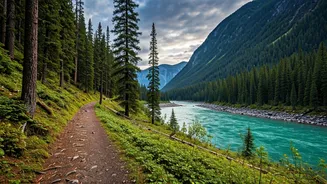







Scoring Your Spot
Securing a place on New Zealand's Great Walks requires meticulous preparation, much like aiming for a high-demand concert. Before the booking window opens,
ensure you have essential details ready: a valid payment method, and the full names, ages, and countries of residence for every member of your hiking party. This meticulousness is crucial. While the Hump Ridge Track offers a unique exception, allowing bookings up to two years in advance directly, most other tracks adhere to a strict system. Mountain biking enthusiasts will find designated routes on the Paparoa Track and Heaphy Track, so plan accordingly for these specific activities.
Strategic Booking Tips
Beyond mere preparation, employing clever strategies can significantly boost your chances of securing a Great Walk. Flexibility with your travel dates is paramount. While summer (late December to early February) is peak season for Kiwi trampers and thus highly competitive, consider venturing out in early December or March for improved weather and more available spots. An intriguing tactic involves waiting a couple of hours after the official booking system opens. Many enthusiastic groups simultaneously book multiple slots for their party to guarantee a place, often cancelling duplicates later the same day. This can create opportunities. Furthermore, keep an eye out for cancellations, especially for sought-after trails like the Milford Track; active community members often announce their cancelled bookings, opening up new date possibilities.
Alternative Adventures
If the allure of the Great Walks remains elusive, New Zealand offers a wealth of equally breathtaking alternatives for experiencing its magnificent backcountry. Consider day hikes on portions of the Great Walks, where tour operators and transfer services can ferry you to stunning sections without the need for overnight gear. For instance, parts of the Tongariro Alpine Crossing, a celebrated single-day hike, are integrated into the Tongariro Northern Circuit. Alternatively, explore the Whanganui Journey via jet boat to the Bridge to Nowhere, followed by a paddle back. For Fiordland's splendor, guided packages offer a taste of the Kepler, Routeburn, and Milford Tracks over three days. Beyond these, numerous other multi-day treks, such as the Coromandel's two-day Pinnacles Track, the Marlborough Sounds' Queen Charlotte Track, and the challenging Heaphy Track, promise unforgettable adventures.
The Iconic Milford Track
Often lauded as the 'finest walk in the world,' the Milford Track lives up to its reputation with its unparalleled wild beauty. This celebrated route guides hikers through dramatic valleys and over mountain passes, where countless waterfalls create a mesmerizing spectacle, particularly after rain. The culmination of this four-day journey is arrival into the awe-inspiring Milford Sound, a fiord surrounded by towering peaks that draws over a million visitors annually. However, its extreme popularity makes it notoriously difficult to book. For those captivated by Fiordland's dramatic landscapes but struggling to secure a Milford spot, the community-run Hump Ridge Track presents a superb alternative. It winds through subalpine terrain, offering stunning ocean vistas, including views of Stewart Island, and features boardwalks along ridgelines before descending into moss-draped forests. This track also boasts impressive features like the longest viaduct in the southern hemisphere and the chance to swim with Hector's dolphins near the historic ghost town of Port Craig.
Great Walks Season & Gear
The official 'Great Walks Season' in New Zealand typically spans the southern hemisphere's summer months, from October through to April. While access outside this period is possible for highly experienced hikers with robust gear, be prepared for potentially harsh conditions like heavy snow, freezing temperatures, high winds, and flooding between May and September. During the off-season, huts are unstaffed, unserviced, and river crossing bridges may be removed. For the Great Walks Season, huts are equipped with basic amenities: shared bunk rooms (earplugs are recommended!), sleeping mats, outhouses, and kitchens with gas stoves and running water. Essential items to pack include appropriate footwear, clothing layers, and waterproof gear, especially for wetter regions like the Milford Track. You'll also need to carry a sleeping bag, crockery, and all your food. Thankfully, outfitters near trailheads offer rental services for any gear you might need and can arrange transfers to and from the tracks.