







Chia Seed Powerhouse
Dr. Saurabh Sethi, a gastroenterologist with Harvard and Stanford training, highlights chia seeds as a cornerstone of his daily diet for their exceptional
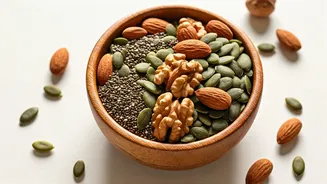
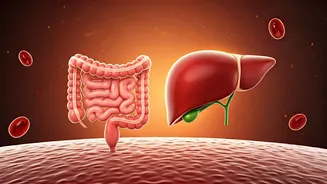
fiber content. Just two tablespoons offer a substantial 10 grams of fiber, often exceeding the daily intake of many individuals. When hydrated, chia seeds form a gel-like substance that aids in digestion, promoting the growth of beneficial gut bacteria and stabilizing blood sugar levels. This simple addition, requiring minimal preparation, is considered a highly effective habit for enhancing gut health and preventing various digestive issues, including those related to colon cancer and fatty liver disease. The doctor himself incorporates them by soaking them in water overnight, a quick and impactful practice.
Flaxseed's Anti-Inflammatory Magic
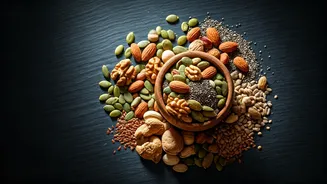
Flaxseeds are another potent gut-friendly food championed by Dr. Sethi. He explains that ground flaxseeds are rich in lignans, which are then transformed by gut bacteria into powerful compounds that combat inflammation. Research suggests that a daily tablespoon of ground flaxseeds can significantly reduce the risk of colon cancer. It's crucial, however, to consume flaxseeds in a ground form, either pre-ground or by grinding them yourself, as whole flaxseeds tend to pass through the digestive system undigested. This small dietary change leverages the gut's ability to unlock the seeds' therapeutic potential, contributing to overall gut health and disease prevention.
Walnuts for Brain and Gut
Beyond their renowned cognitive benefits, walnuts are also exceptional for gut health, according to Dr. Sethi. He notes that walnuts stand out among nuts for their significant omega-3 fatty acid content. A recent study demonstrated that daily walnut consumption led to a measurable improvement in gut microbiome diversity within an eight-week period. The recommended daily intake, based on the study, is approximately 30 grams, which equates to a small handful. Dr. Sethi keeps a jar of walnuts readily accessible on his desk, making it easy to incorporate this nutrient-dense food into his daily routine for both brain and digestive well-being.
Berry Antioxidant Boost
Berries, with a particular emphasis on blueberries, are singled out as a top fruit choice for optimal gut health. These fruits boast the highest concentration of antioxidants among commonly consumed fruits. Dr. Sethi elaborates that the polyphenols present in blueberries specifically nourish Bifidobacterium, a highly protective bacterial strain within the gut. Regular consumption has been shown to measurably decrease inflammation markers within six weeks. Whether fresh or frozen, berries offer a convenient and potent way to support a healthy gut microbiome and reduce inflammatory responses.
Fermented Foods' Live Cultures
The gastroenterologist strongly advocates for fermented foods, especially dairy options like yogurt, kefir, and lassi, as vital for gut health. For those preferring plant-based choices, coconut yogurt is a suitable alternative. Dr. Sethi emphasizes that fermented dairy products contain a wider array of live bacterial strains than most commercially available probiotic supplements. He advises looking for the 'live active cultures' label, noting that a single daily serving can significantly alter the gut microbiome within two weeks. This habit has proven remarkably effective in improving patients' digestion, often more so than prescribed medications.
Eggs and Tofu for Liver
Eggs and tofu are presented as unjustly overlooked foods essential for liver health due to their choline content. Eggs provide complete protein that directly aids in repairing the gut lining, and recent cardiovascular research has largely supported moderate egg consumption. For individuals following a plant-based diet, tofu serves as an excellent alternative. Tofu is high in protein, contains isoflavones that support a healthy microbiome, and possesses significant anti-inflammatory properties. Dr. Sethi concludes that either option is beneficial and can be chosen based on personal preference and dietary needs, both contributing positively to overall health.