

The Self-Seeding Advantage
Embracing self-seeding flowers is a gardener's secret to achieving a naturally beautiful and low-effort landscape. These generous plants possess the remarkable
ability to scatter their seeds, which then germinate and flourish in subsequent seasons, requiring minimal intervention from the gardener. This natural propagation not only simplifies garden maintenance but also cultivates a more organic, informal aesthetic, filling in empty spaces with delightful color drifts and a touch of wild charm. For those seeking a cost-effective approach to gardening, self-seeders eliminate the need for annual plant purchases, providing continuous blooms and attracting beneficial pollinators like bees and butterflies. However, it's wise to be aware that some prolific self-seeders can become somewhat aggressive, so understanding their growth habits and strategic placement is key to a harmonious garden.
Columbine's Unique Charm
Columbines, scientifically known as Aquilegia, are truly enchanting additions to any garden, celebrated for their distinctive spurred blossoms that appear like delicate, nodding bells. These old-fashioned beauties thrive best in conditions that mimic their natural woodland habitat, favoring partial shade and soil that is consistently moist yet well-drained. Their self-seeding nature means you can often find new columbine plants emerging unexpectedly in charming nooks and crannies, adding a touch of serendipity to your garden design. Typically blooming from late spring into early summer, these plants can reach heights of 1 to 3 feet, adapting well to environments with either full sun or partial shade. Their preference for average, well-drained soil makes them relatively easy to accommodate, promising a continued display of their unique floral artistry year after year.
Forget-Me-Nots' Blue Carpet
Forget-Me-Nots, or Myosotis sylvatica, are a quintessential element of cottage gardens, cherished for their profusion of delicate, sky-blue flowers. These charming plants have a particular fondness for moist, shady locations, where they can spread naturally to create breathtaking carpets of vibrant blue. Their self-seeding habit is quite reliable, allowing them to naturalize beautifully and establish a perennial presence in the garden without constant replanting. Reaching a modest height of 6 to 12 inches, Forget-Me-Nots are best situated in areas that receive partial to full shade, contributing their ethereal beauty to the cooler, more secluded parts of your landscape. They flourish in moist, well-drained soil, making them an ideal choice for adding a touch of gentle color and a sense of established tranquility to shadier garden beds and borders.
Cosmos: Cheerful Daisy-like Blooms
Cosmos, specifically Cosmos bipinnatus, are renowned for their cheerful, daisy-like blooms that bring a vibrant and airy feel to the garden throughout the summer and well into the fall. Their remarkable ease of growth from seed makes them a favorite among gardeners of all levels. Once established, they readily scatter their seeds, ensuring a return of their colorful presence the following year. These prolific bloomers can reach impressive heights, varying from 2 to 5 feet, and they absolutely bask in full sun, transforming sunny spots into waves of color. Cosmos prefer average, well-drained soil, making them a versatile and undemanding choice for adding continuous floral interest and a touch of natural whimsy to your outdoor space, proving themselves to be a true garden staple.
California Poppy's Sunny Hue
The California Poppy, Eschscholzia californica, is an absolute delight with its brilliant, vibrant orange blossoms that capture the essence of a sunny day. These drought-tolerant beauties are perfectly suited for arid conditions and thrive in locations that receive abundant full sun. Their self-seeding nature is particularly pronounced in disturbed soil, meaning that if you have areas that are occasionally tilled or cleared, you can expect these cheerful flowers to return with gusto. Blooming from spring through fall, they typically grow to a height of 6 to 12 inches, adding cheerful pops of color to garden beds, borders, and even rockeries. Their preference for sandy, well-drained soil makes them incredibly resilient and a low-maintenance choice for adding a splash of radiant warmth to your landscape.
Larkspur's Tall Spikes
Larkspur, known botanically as Consolida ajacis, is distinguished by its tall, elegant spikes adorned with colorful flowers, making it an excellent choice for cutting and bringing indoor beauty to your home. These plants flourish in full sun and require well-drained soil, conditions that promote their robust growth and prolific blooming. Larkspur readily self-seeds, especially in cooler climates, which means that once planted, you can anticipate a returning display of their vertical floral architecture year after year. With heights ranging from 2 to 4 feet, they provide a striking visual element, adding vertical interest to garden borders and creating a sense of grandeur. Their self-seeding capability ensures a continuous supply of these beautiful cut flowers, transforming your garden into a reliable source of floral abundance.
Bleeding Heart's Unique Shape
The Bleeding Heart, Dicentra spectabilis, is a beloved shade-loving perennial celebrated for its uniquely shaped, heart-like flowers that dangle gracefully from arching stems. While it might not be the most aggressive self-seeder, it reliably reproduces itself within its preferred habitat of shady, moist environments, ensuring a consistent presence. Blooming primarily in spring, these plants typically reach a height of 1 to 3 feet, adding a touch of delicate, old-fashioned charm to woodland gardens or shaded corners. They prefer rich, moist, and well-drained soil, making them ideal for naturalistic settings where dappled sunlight filters through trees. The distinctiveness of their blooms and their reliable self-seeding make them a cherished feature that reappears each spring, offering a gentle and romantic presence.
Sweet Alyssum's Fragrant Groundcover
Sweet Alyssum, Lobularia maritima, is a delightful annual that forms low-lying mounds covered in a profusion of tiny, fragrant flowers, making it an exemplary plant for edging garden beds or spilling over the sides of containers. Its charm lies not only in its sweet scent and delicate appearance but also in its remarkable ability to self-seed, often returning to the garden year after year without needing to be replanted. Blooming from summer through fall, these petite plants typically grow only 3 to 6 inches tall, creating a lovely floral carpet effect. They are adaptable to both full sun and partial shade conditions and prefer average, well-drained soil, making them an easy and rewarding choice for filling in gaps and adding continuous, sweet-smelling groundcover to your garden design.
Nasturtium's Vibrant Edibles
Nasturtiums, Tropaeolum majus, are incredibly easy to grow from seed, offering not only vibrant, colorful flowers but also edible leaves and blossoms that add a peppery kick to salads and culinary creations. These adaptable plants generally prefer poorer to average soil conditions and flourish in full sun, rewarding gardeners with a long blooming season from summer into fall. Their natural tendency to drop seeds means that new plants often germinate and emerge the following spring, providing a consistent display of their cheerful colors. Available in vining or bushy varieties that typically reach 1 to 2 feet in height, nasturtiums are a versatile choice for adding both beauty and flavor to your garden, proving that practical plants can also be delightfully self-sufficient.
Foxglove's Stately Spires
Foxgloves, Digitalis purpurea, are truly striking plants, characterized by their tall, stately spires of bell-shaped flowers that add a dramatic vertical element to the garden landscape. These plants prefer the dappled light of partial shade and appreciate soil that retains moisture while still draining well. While foxgloves are biennials, meaning they flower in their second year, they are prolific self-seeders, ensuring a continuous display of their majestic blooms as new plants mature. Reaching impressive heights of 2 to 5 feet, they command attention and bring a sense of timeless beauty. It's important to note that all parts of the foxglove plant are poisonous, so caution should be exercised around children and pets.
Echinacea: Pollinator Magnet
Echinacea, commonly known as Coneflower, is a hardy perennial celebrated for its daisy-like flowers that possess a remarkable ability to attract a wide array of pollinators, including bees and butterflies. Once established, these plants are quite drought-tolerant, making them a resilient choice for sunny garden locations. Their self-seeding nature means that coneflowers will happily spread and reappear in these sunny spots year after year, creating a continuous source of vibrant color and beneficial insect activity. Blooming from summer through fall and typically reaching heights of 2 to 4 feet, Echinacea thrives in average, well-drained soil, making it a low-maintenance yet highly rewarding addition to any garden aiming to support local wildlife and add natural beauty.
Coreopsis' Cheerful Daisies
Coreopsis, often referred to as Tickseed, offers a delightful display of cheerful, daisy-like flowers predominantly in sunny shades of yellow and orange, bringing consistent brightness to the garden. These plants are known for their exceptionally long blooming periods and their remarkable ease of cultivation, making them a favorite among gardeners. Coreopsis readily self-seeds, particularly in locations that receive ample sunlight, ensuring that these radiant blooms return year after year without additional effort. Ranging in height from 1 to 3 feet, they are well-suited for sunny borders and meadows, thriving in average, well-drained soil and providing a reliable and cheerful presence throughout the summer and fall seasons.
Dianthus' Spicy Fragrance
Dianthus, commonly known as Pinks, are cherished for their intricately fringed petals and their distinct, spicy fragrance that adds an aromatic dimension to the garden. Many varieties of Dianthus are perennial and possess a tendency to self-seed, creating charming, naturalized patches of color that expand over time. Their bloom time extends from late spring through summer, and they typically grow between 6 to 18 inches tall. Dianthus prefer full sun and require well-drained soil to thrive, making them a relatively low-maintenance choice for gardeners seeking both visual appeal and a delightful scent. Their ability to self-seed ensures that these lovely, fragrant flowers will continue to grace the garden for seasons to come.
Poppies' Wild Beauty
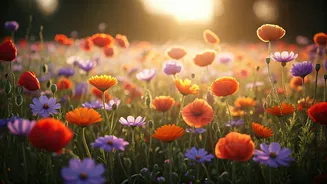
Various species of poppies, such as the iconic common poppy (Papaver rhoeas) and the ornamental opium poppy (Papaver somniferum), are celebrated for their prolific self-seeding capabilities, lending a wild and natural beauty to any garden. These plants thrive in full sun and require well-drained soil, making them quite adaptable to a range of garden conditions. Their bloom period typically spans from late spring through summer, and they can reach heights of 1 to 3 feet, creating striking visual statements. The ease with which poppy seeds scatter and germinate means that gardeners can anticipate a beautiful return of these vibrant flowers year after year, embodying the essence of a natural meadow.
Salvia's Colorful Spikes
Many ornamental Salvia varieties are exceptional self-seeders, presenting the garden with upright spikes of colorful flowers that are particularly attractive to pollinators like bees and hummingbirds. These robust plants generally prefer the warmth and light of full sun and require well-drained soil to flourish, ensuring healthy growth and abundant blooms. Their bloom times typically extend throughout the summer and into the fall, offering a prolonged period of vibrant color. Heights can vary significantly depending on the specific species, ranging from 1 to 4 feet, allowing for versatile use in garden design. The self-seeding nature of these Salvias makes them an easy and rewarding choice for adding continuous floral interest and supporting garden biodiversity.
Verbena's Long-Lasting Blooms
Certain varieties of Verbena, especially those considered annuals, are well-known for their propensity to self-seed readily, offering gardeners a continuous display of their attractive, long-lasting blooms. These plants are particularly effective at attracting butterflies, making them a wonderful addition to pollinator-friendly gardens. Verbena typically blooms from summer through fall, and their heights can range from 6 to 24 inches, allowing for use in various garden settings. They thrive in full sun and necessitate well-drained soil, ensuring their survival and prolific flowering. The self-seeding characteristic of these Verbena types provides an effortless way to maintain vibrant color throughout the growing season, year after year.
Yarrow's Hardy Clusters
Yarrow, Achillea millefolium, is a remarkably hardy perennial characterized by its flat-topped clusters of flowers, which add a unique texture and appearance to garden beds. This drought-tolerant plant thrives in full sun and is quite adept at self-seeding, which allows it to spread effectively and fill in various garden areas with its charming blooms. Blooming primarily in summer, Yarrow can reach heights of 1 to 4 feet, making it a versatile choice for different garden designs. It prefers well-drained soil, a condition that further enhances its resilience and ability to naturalize. Its self-seeding nature ensures a consistent presence, providing enduring color and a supporting role for beneficial insects.
Gaillardia's Warm Colors
Gaillardia, also known as Blanket Flower, is a robust plant that produces vibrant, daisy-like flowers in a warm palette of reds, oranges, and yellows, instantly brightening any garden space. This tough, drought-tolerant species thrives in full sun and exhibits a strong tendency to self-seed, meaning it will readily replant itself, ensuring a continuous and expanding display of its cheerful blooms. Typically blooming from summer through fall, Gaillardia grows to a height of 1 to 3 feet and prefers well-drained soil. Its resilience and self-seeding habit make it an exceptionally low-maintenance choice for gardeners seeking continuous color and a touch of rustic beauty, while also providing a valuable nectar source for pollinators.
Rudbeckia's Iconic Centers
Rudbeckia, famously recognized as Black-Eyed Susans, are iconic prairie flowers that feature cheerful yellow petals surrounding distinct dark centers, making them an instantly recognizable and beloved garden staple. These adaptable plants are known for their ability to self-seed readily, particularly in sunny locations, which ensures their return and proliferation year after year. Blooming from summer through fall, Rudbeckia typically grows to a height of 1 to 3 feet. They are quite tolerant of various conditions and prefer average, well-drained soil. Their self-seeding nature contributes to their reputation as reliable, low-maintenance plants that fill out wildflower gardens and provide continuous visual interest and habitat for pollinators.