





Defining Misophonia
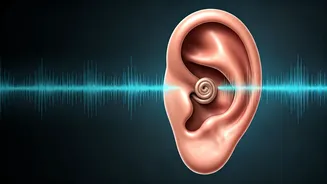
Misophonia is a neurological condition where specific sounds, generally those that are repetitive and human-generated, elicit strong negative emotions
like anger, disgust, or anxiety. Unlike hyperacusis (increased sensitivity to all sounds), misophonia is highly specific to particular auditory triggers. These triggers are typically not inherently loud or unpleasant; they are often everyday sounds that many people barely notice. Misophonia can significantly impact daily life, influencing social interactions, work performance, and overall well-being. Individuals with misophonia might experience intense emotional and physiological responses, leading to avoidance behaviors and a reduced quality of life. The understanding and diagnosis of misophonia are relatively new, with ongoing research aiming to better understand its underlying mechanisms and develop effective treatments.
Symptoms of Misophonia
The symptoms of misophonia can vary in intensity from mild annoyance to intense rage. Initial responses to trigger sounds can include feelings of irritation, discomfort, and unease. As the sound continues, these feelings can escalate into anger, hatred, and a strong desire to escape the situation. Physical symptoms, such as increased heart rate, muscle tension, and sweating, may also be present. Behavioral responses to triggers can include avoidance, where individuals actively try to avoid situations where they might encounter the sound. This can lead to social isolation and difficulty in maintaining relationships. Some individuals might also exhibit aggressive behavior toward the source of the trigger sound. The intensity of symptoms can fluctuate based on the situation, the individual's emotional state, and the perceived control over the sound. Misophonia can significantly impact an individual's mental health, contributing to stress, anxiety, and, in severe cases, depression. Understanding these diverse symptoms is crucial for both diagnosis and developing tailored coping strategies.
Common Misophonia Triggers
Specific auditory stimuli are often the catalyst for misophonic reactions. A common trigger is mouth-related sounds. These can include chewing, lip smacking, swallowing, and even breathing or sniffing. Another category of triggers encompasses repetitive sounds, like pen clicking, keyboard typing, or tapping of fingers. Everyday sounds generated by others can also be problematic. These include sounds from noisy eaters, people clearing their throats, or heavy breathing. The triggers are highly individual, with different sounds affecting different people. Some individuals may be affected by multiple sounds, while others are triggered by only a few. The intensity of a trigger's effect can vary, influenced by context, frequency, and personal significance. It's not the volume of the sound, but often the repetitive or intrusive nature of the sound, that prompts the strong emotional response. Identifying these personal triggers is a critical first step in managing and coping with misophonia, helping individuals develop strategies to minimize their exposure and reactions.