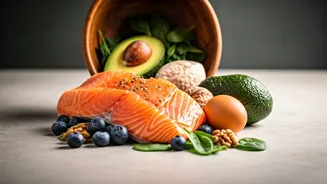







Nutrient-Rich Nuts & Seeds
For robust brain health, incorporate nuts and seeds into your child's diet. These powerhouses are packed with healthy fats, vitamin E, and antioxidants,
all crucial for maintaining optimal brain function. Varieties like almonds, walnuts, flaxseeds, and sunflower seeds provide essential fats vital for the developing brains of young children. Given the choking hazard for toddlers, consider serving them as smooth powders or pastes. Nut butters can be a versatile addition to toast, smoothies, or porridge, offering a nutritious start to the day. Regular consumption can significantly improve concentration, memory retention, and overall brain performance in children.
Dairy for Brain Growth
Dairy products, including milk, yogurt, and cheese, are brimming with nutrients vital for brain development. These essential components aid in the growth and repair of brain tissues. Yogurt, in particular, offers probiotic benefits that promote good gut health, and a healthy gut is strongly linked to a well-functioning brain. Ensuring children consume dairy products daily provides them with the necessary building blocks for cognitive growth. Simple additions like a glass of milk, yogurt with fruit, or cheese in snacks can make a significant impact.
Eggs: A Brain's Best Friend
Eggs stand out as one of the most beneficial foods for a child's brain. They provide sustained nourishment and energy, crucial for active learning. The presence of choline in eggs is particularly important for effective brain function, as choline plays a key role in developing neurotransmitters that facilitate communication within the brain. Incorporating eggs into breakfast ensures children have the energy and nutrients needed for a productive day of learning and development.
Leafy Greens for Protection
Leafy green vegetables such as spinach, kale, and broccoli are packed with vitamins and minerals that actively protect developing brain tissues. While children might initially resist them, creative meal preparations can make them a delightful part of their diet, fostering healthy eating habits for life. Consistent intake of these nutrient-dense greens can lead to improvements in memory and concentration, supporting cognitive agility.
Berries: Antioxidant Powerhouses
Berries like strawberries, blueberries, and blackberries are a treasure trove of antioxidants, vital for safeguarding a child's brain. These antioxidants help enhance memory and boost overall brain performance. Beyond their cognitive benefits, berries also supply essential vitamin C and fiber, contributing to a healthy lifestyle. Their natural sweetness and vibrant colors make them an appealing addition to meals, encouraging children to embrace healthier eating habits while supporting their brain health.
Fatty Fish: Omega-3 Rich
Fatty fish varieties such as salmon, tuna, and sardines are a prime source of healthy fats, specifically omega-3 fatty acids, which are indispensable for brain development in children. These fats are crucial for constructing brain tissue and are fundamental to developing learning capabilities. Consuming fatty fish can significantly improve a child's concentration. Whether grilled, in a curry, or as cutlets, these fish offer a nutrient-dense meal option essential for healthy brain growth.
Whole Grains for Sustained Energy
Whole grains like oats, rice, and whole wheat bread provide a consistent energy supply to a child's brain, keeping them alert and engaged throughout the day. They deliver a steady stream of glucose, the brain's primary fuel source, promoting sustained focus and concentration. The brain relies on a continuous energy input to function optimally, and whole grains effectively meet this demand, ensuring children remain energized and receptive to learning.